Sicily – An Italian Soul with a Mediterranean Twist
A recommended article about the food in Sicily by Mira Eitan at the link below: Every bite is a declaration of independence: Sicily. A culinary journey – Walla Food
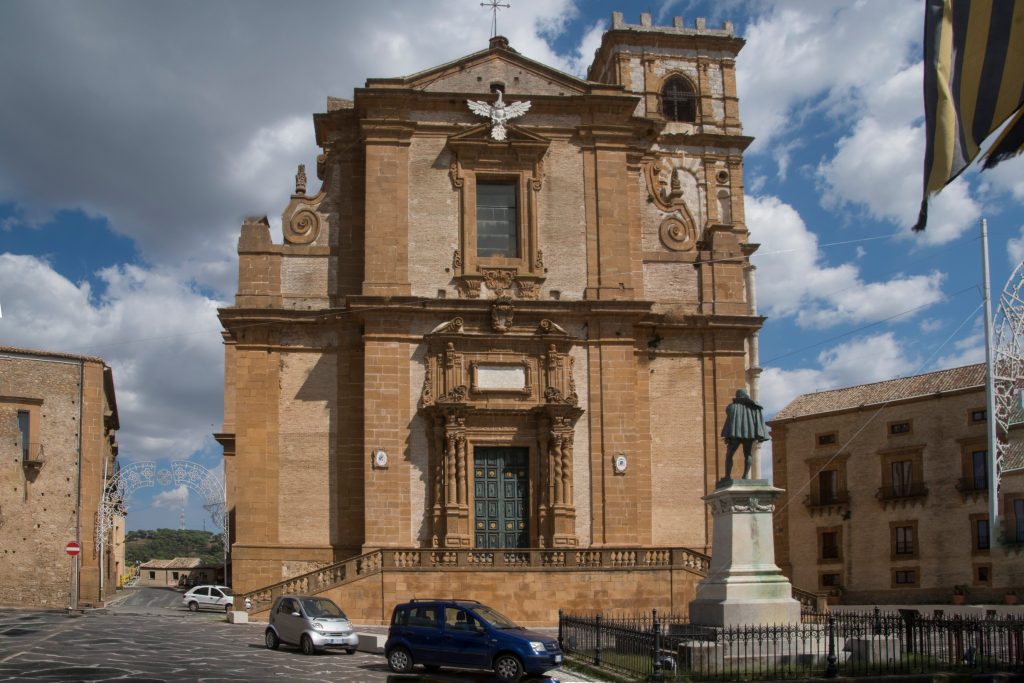
The unmistakable Italian flavor, seasoned with just the right touch of Mediterranean charm, leaves its mark on every corner of Sicily. This grand island is a vital historic hub, dotted with the ancient ruins of temples and monuments from coast to coast. To the east stands Mount Etna—one of the world’s most active volcanoes—a perpetual plume of smoke drifting gently from its crater.
Just two weeks before my trip, Etna spewed scalding lava. While no injuries occurred, the international airport in Catania was forced to close for several days, raising serious concerns about my travel plans. Luckily, the volcano settled down, and the journey proceeded exactly as envisioned.
Catania: The Eastern Gateway
Following a smooth landing at Catania Airport, we picked up our rental car and reached our hotel late at night. The hotel manager’s instructions were spot-on: a entry code for the main entrance, a code for the lobby, and a door left unlocked with keys resting on the table—including the remote for the parking gate.
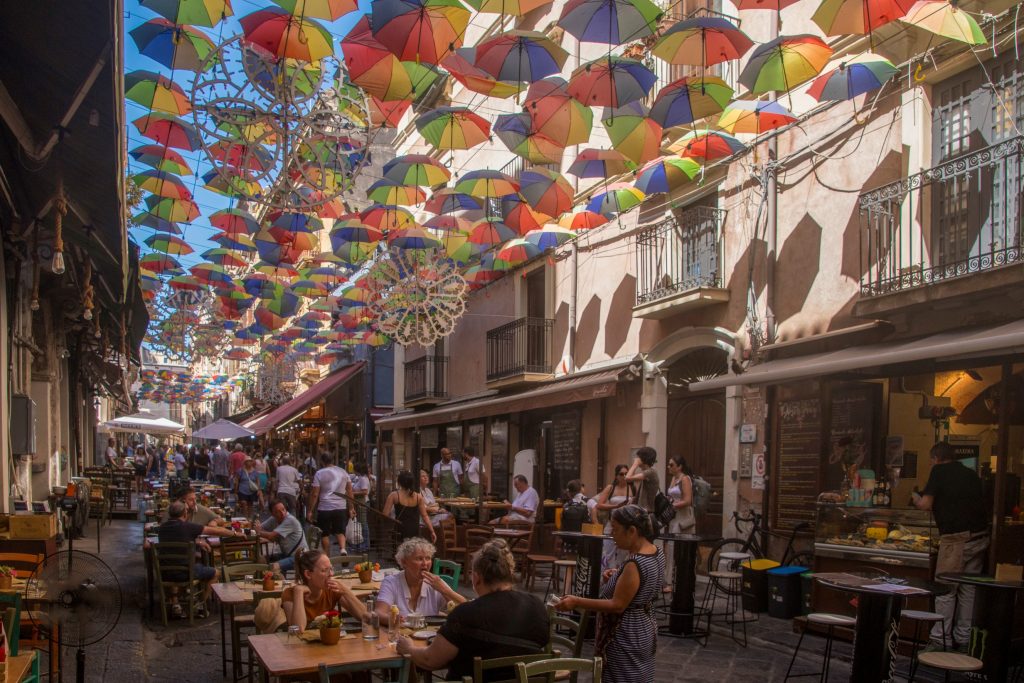
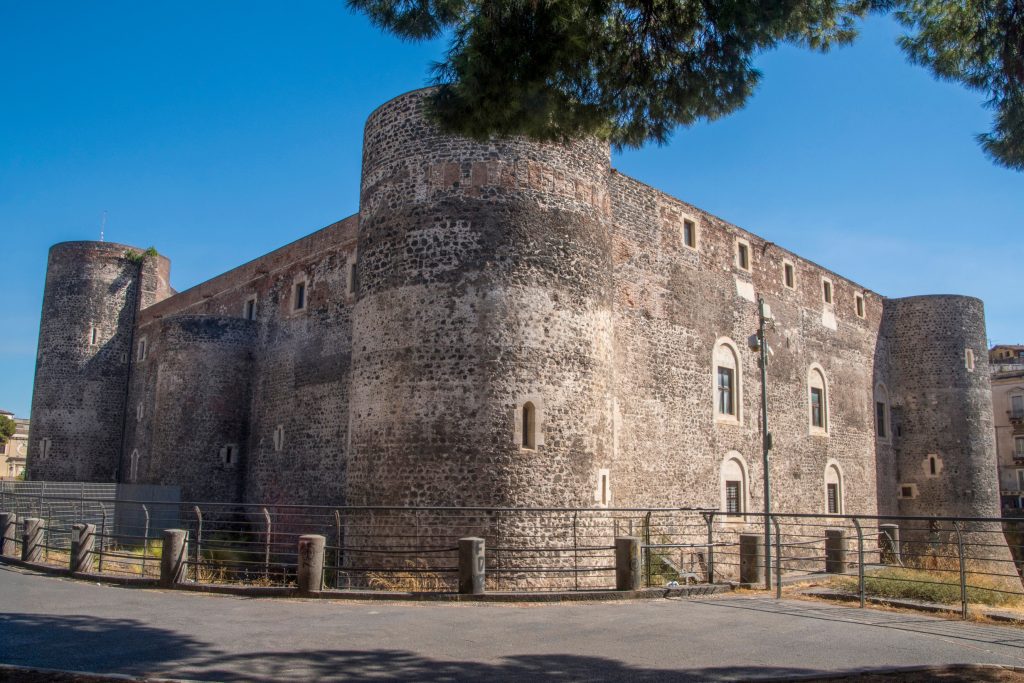
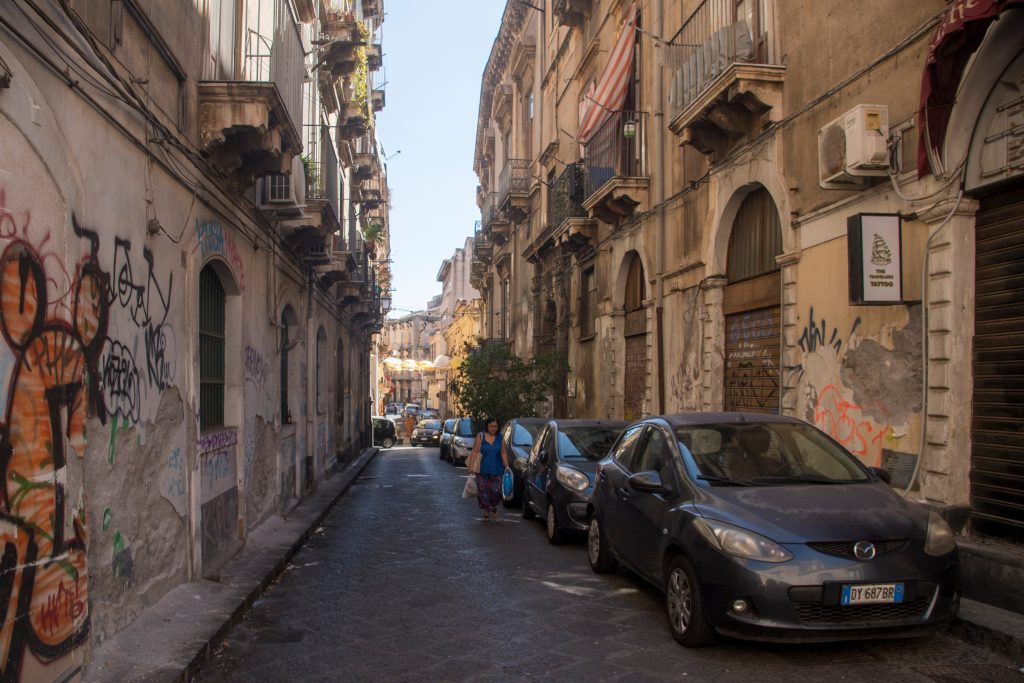
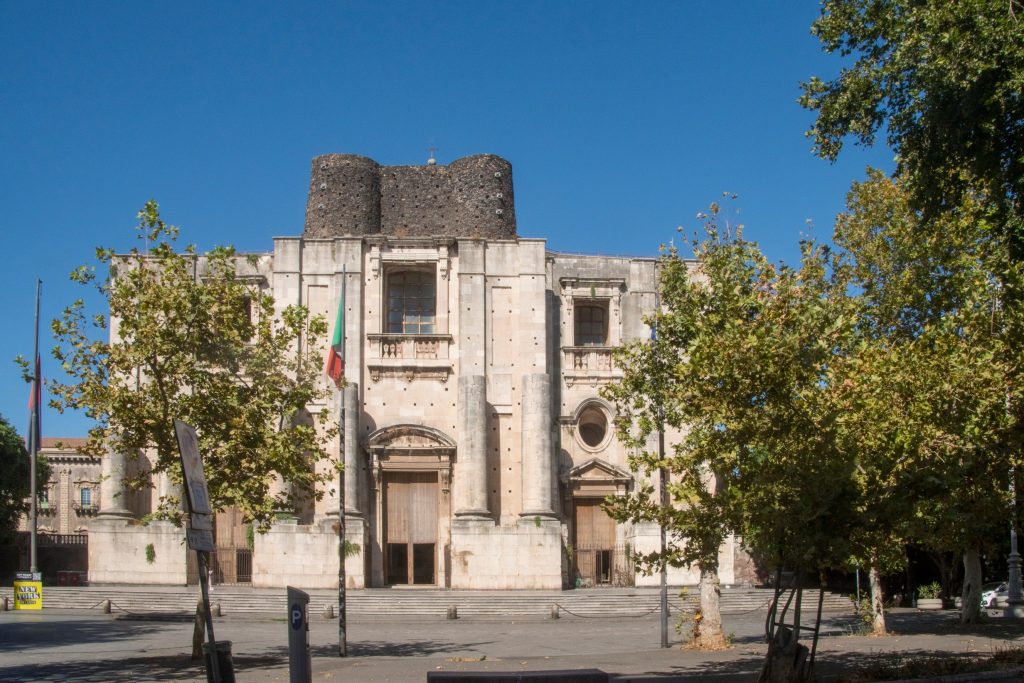
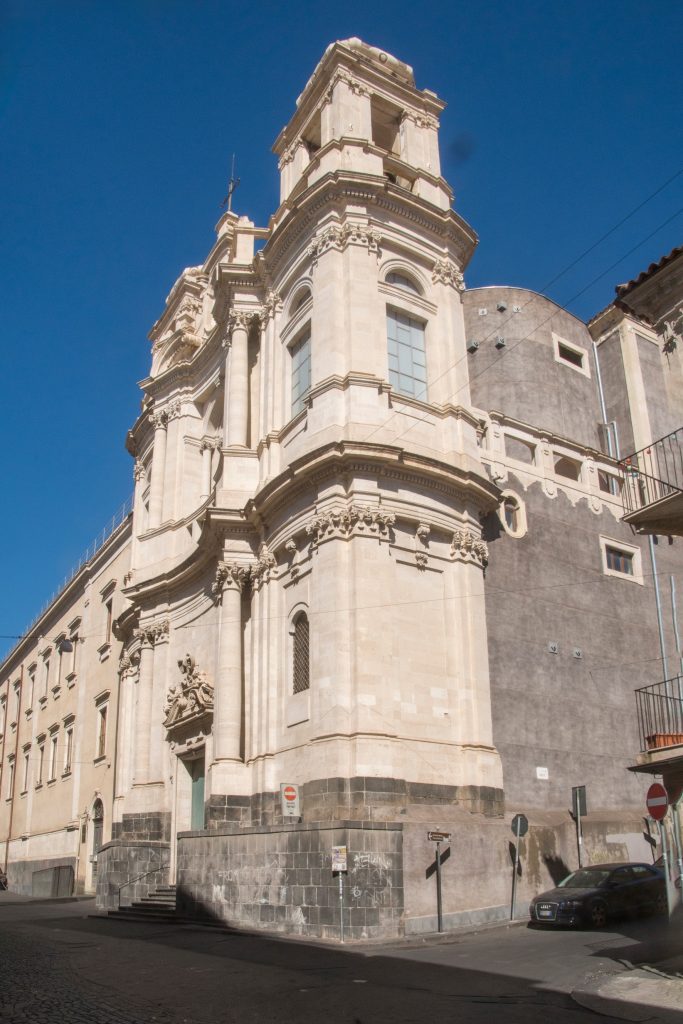
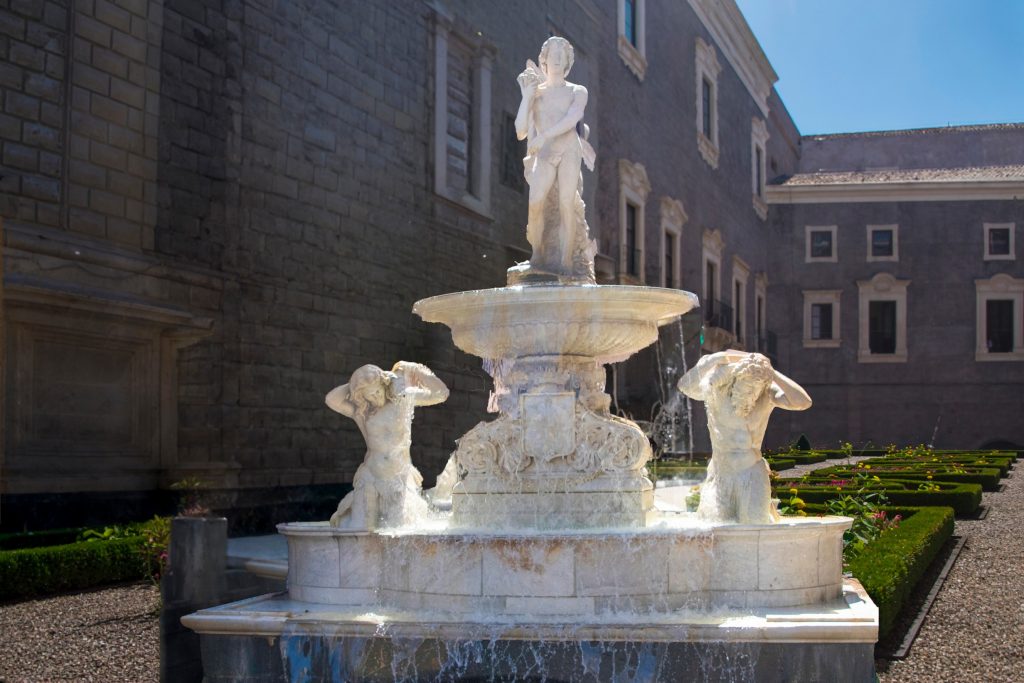
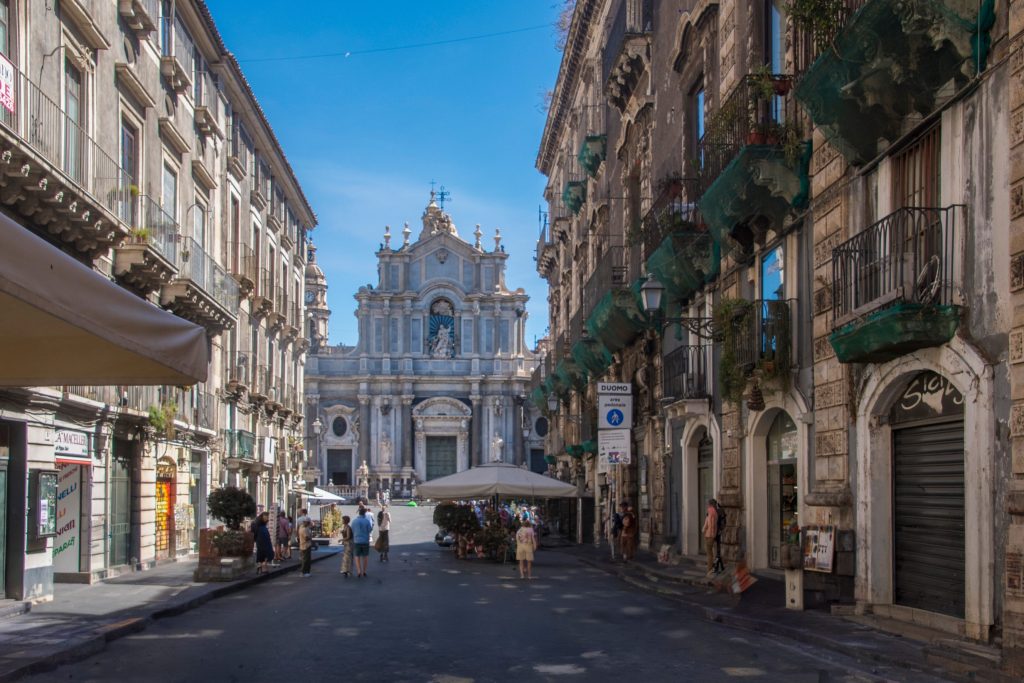
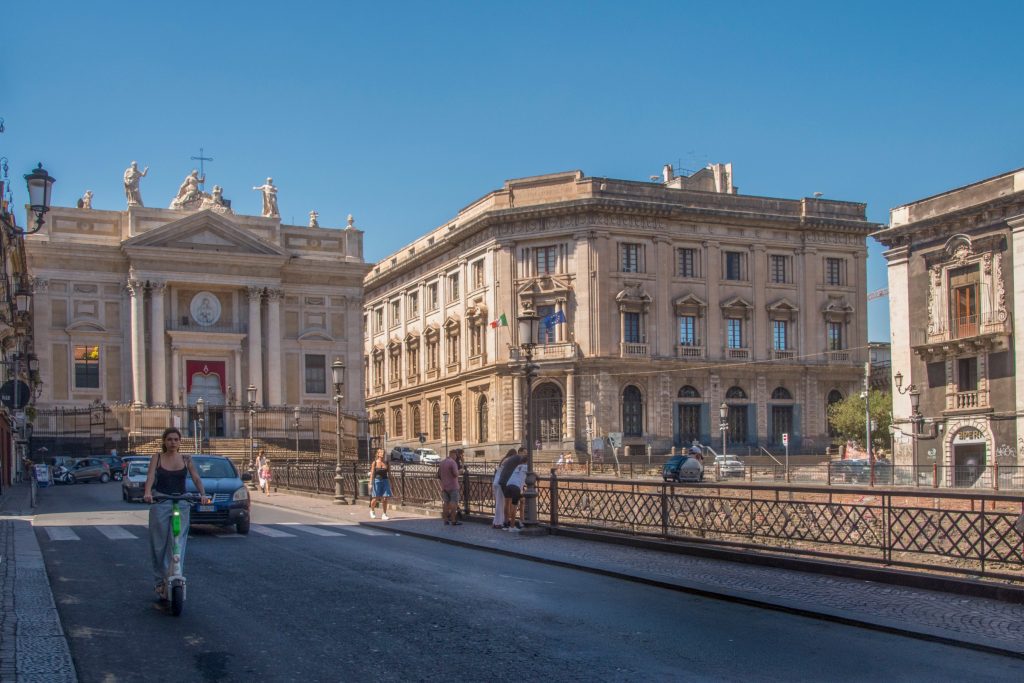
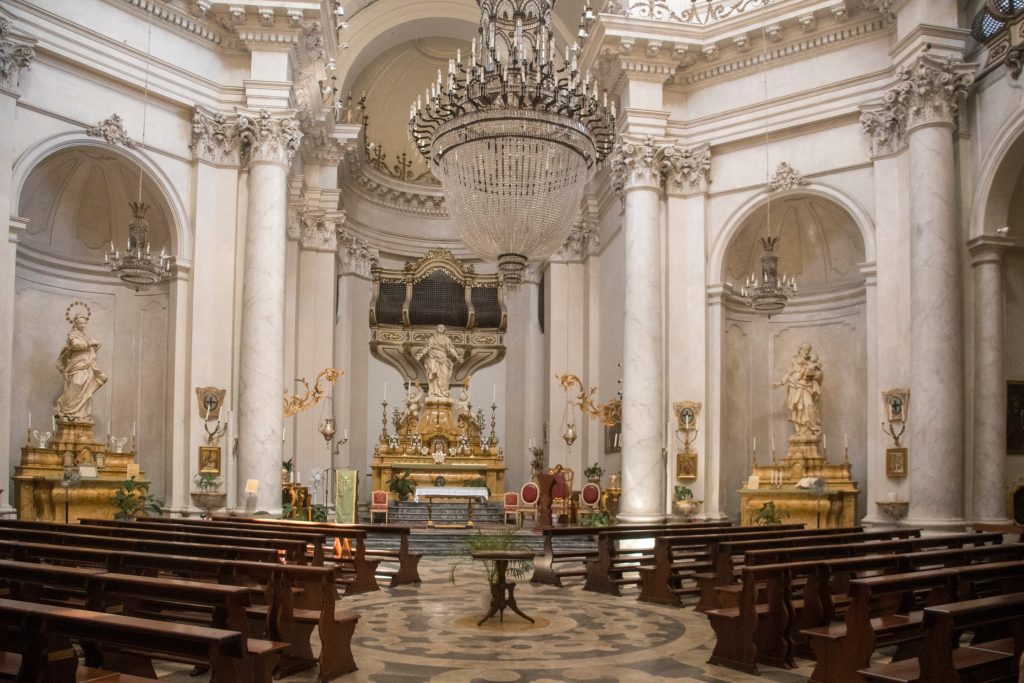
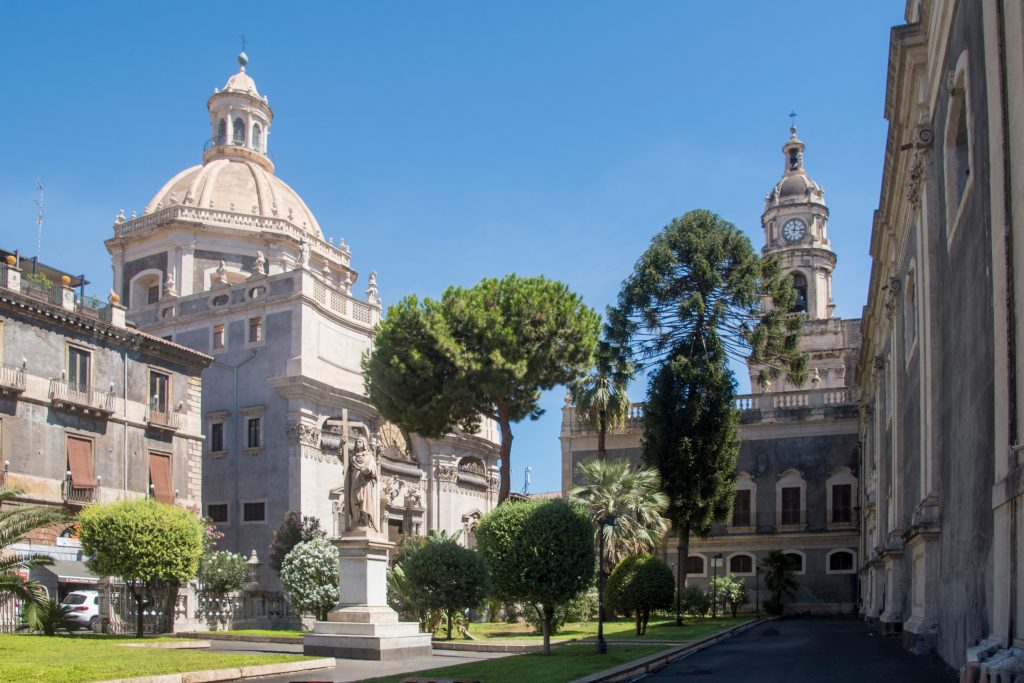
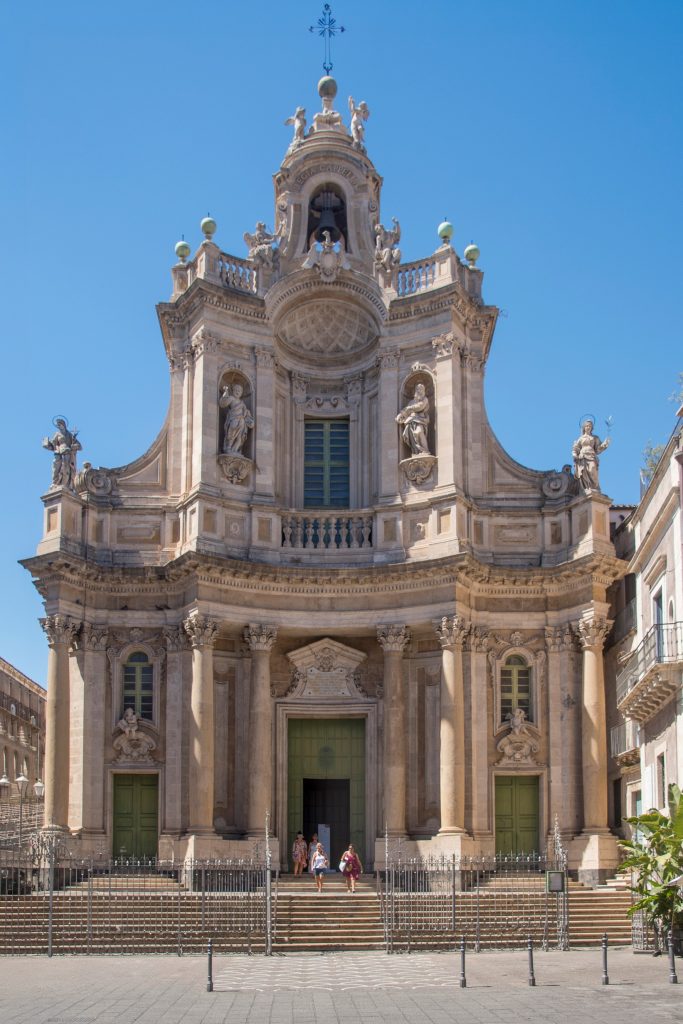
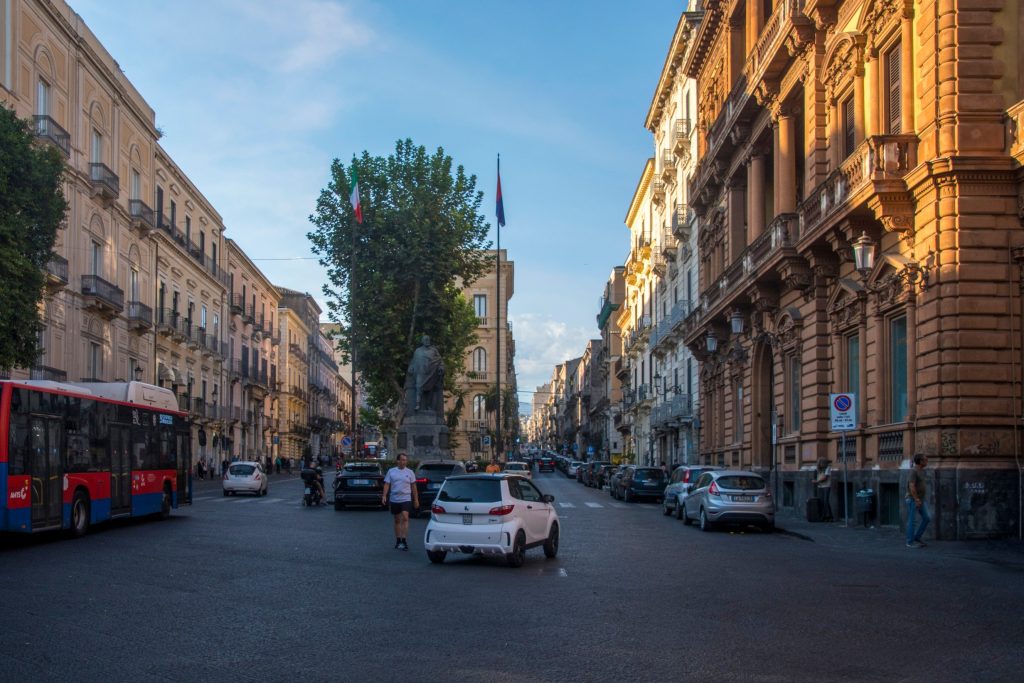
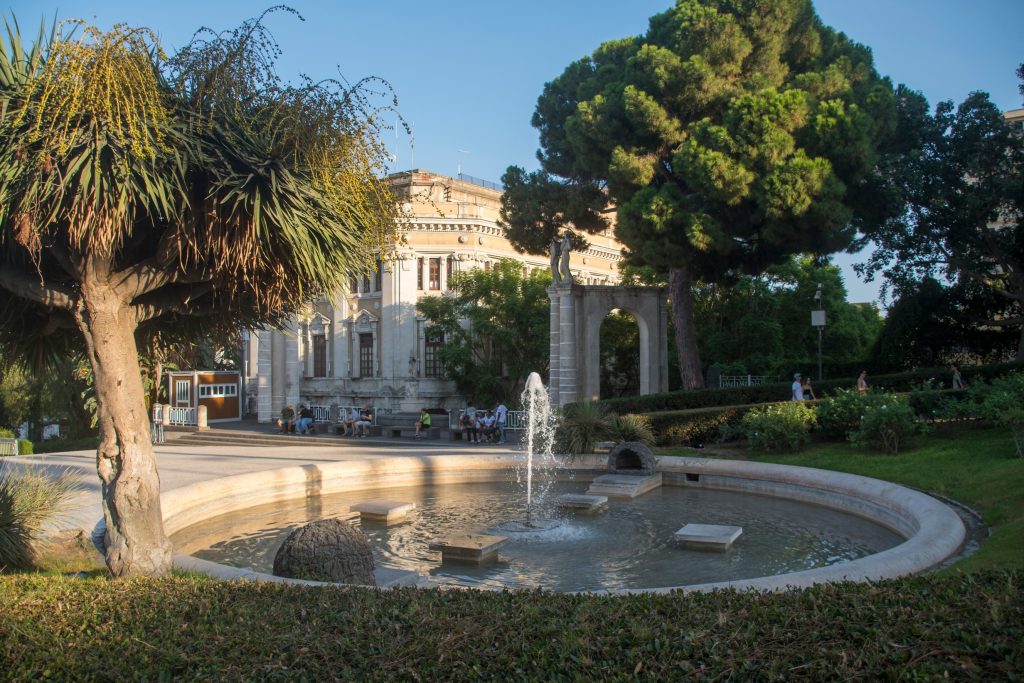
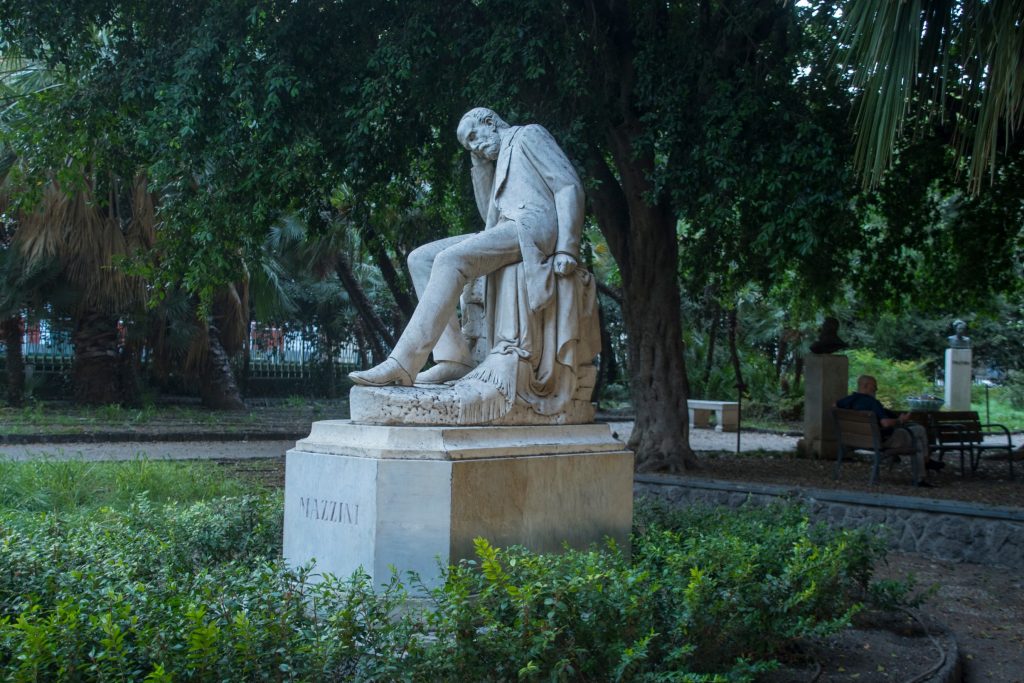
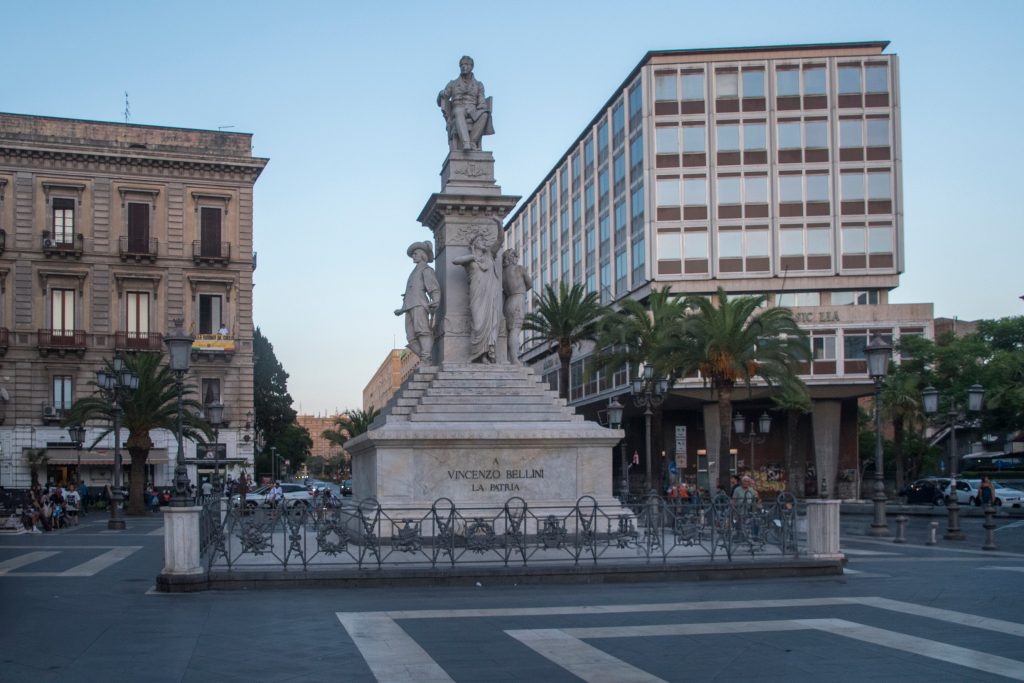
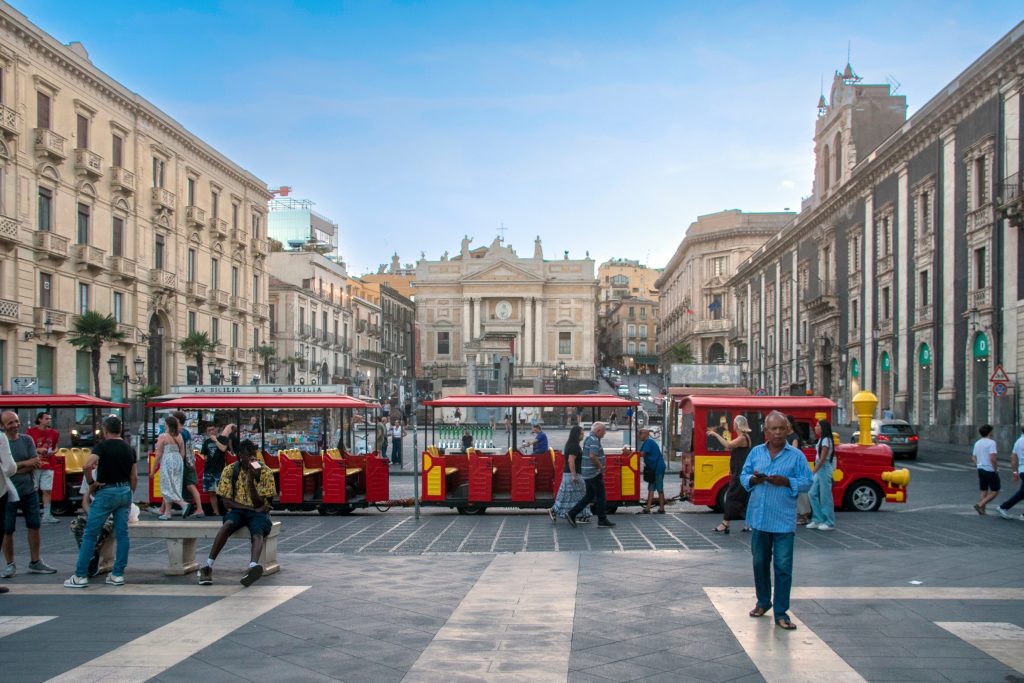
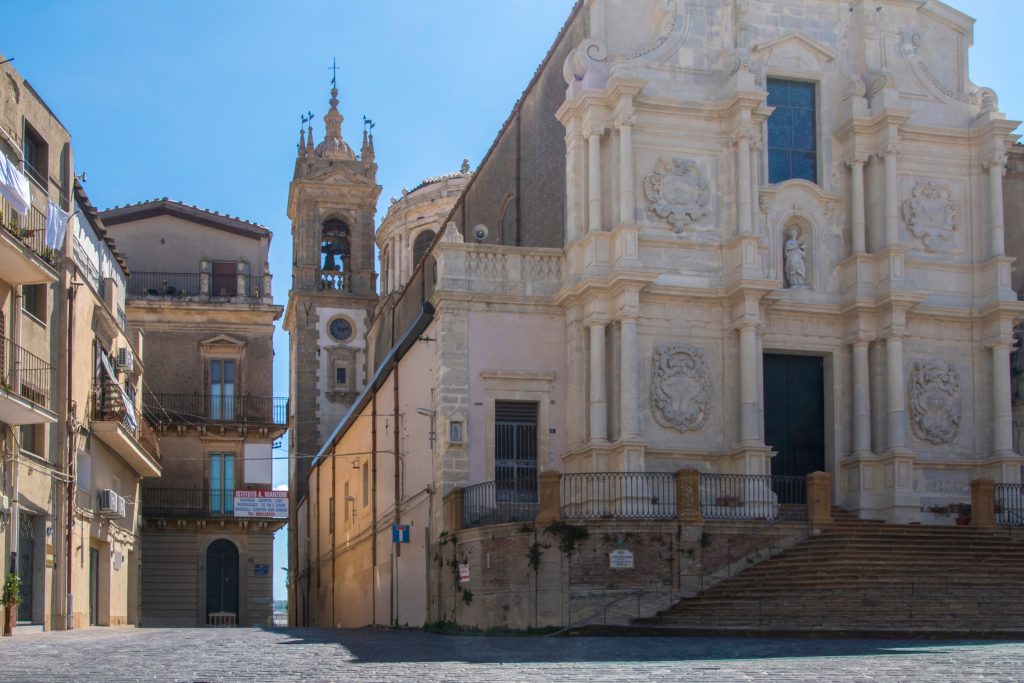
After a light breakfast, we set out to explore Catania. A half-hour walk brought us to an ancient fortress, which was unfortunately locked tight. We continued to the vibrant farmers’ market, where meticulously arranged piles of fresh produce immediately whetted our appetite. The main thoroughfare led us past a sequence of breathtaking cathedrals and picturesque piazzas adorned with gardens and statues.
Highlights of Catania:
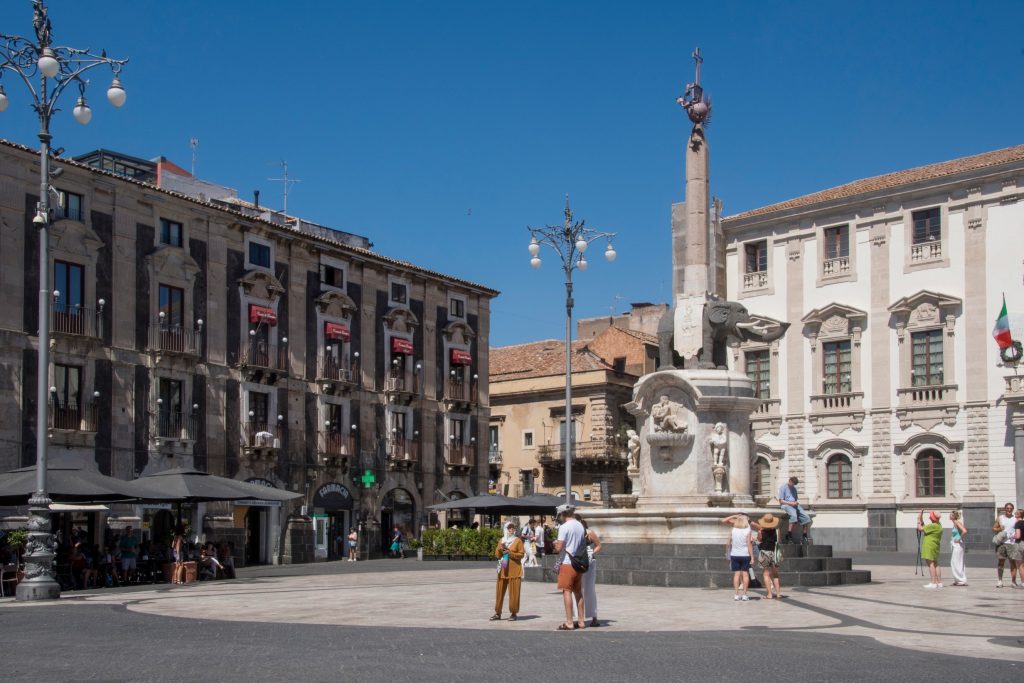
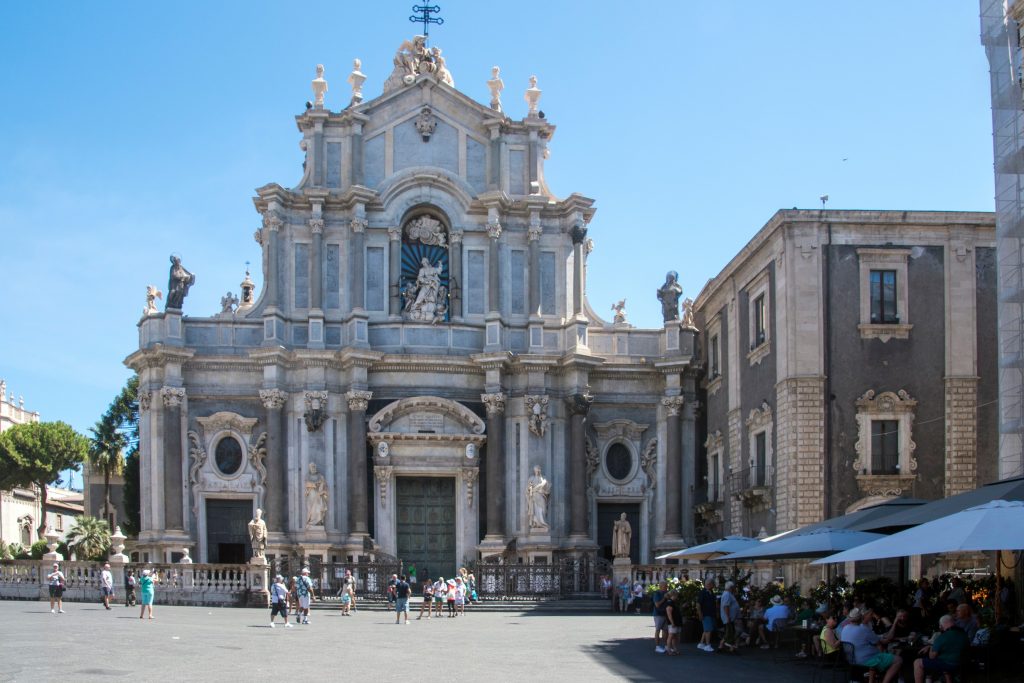
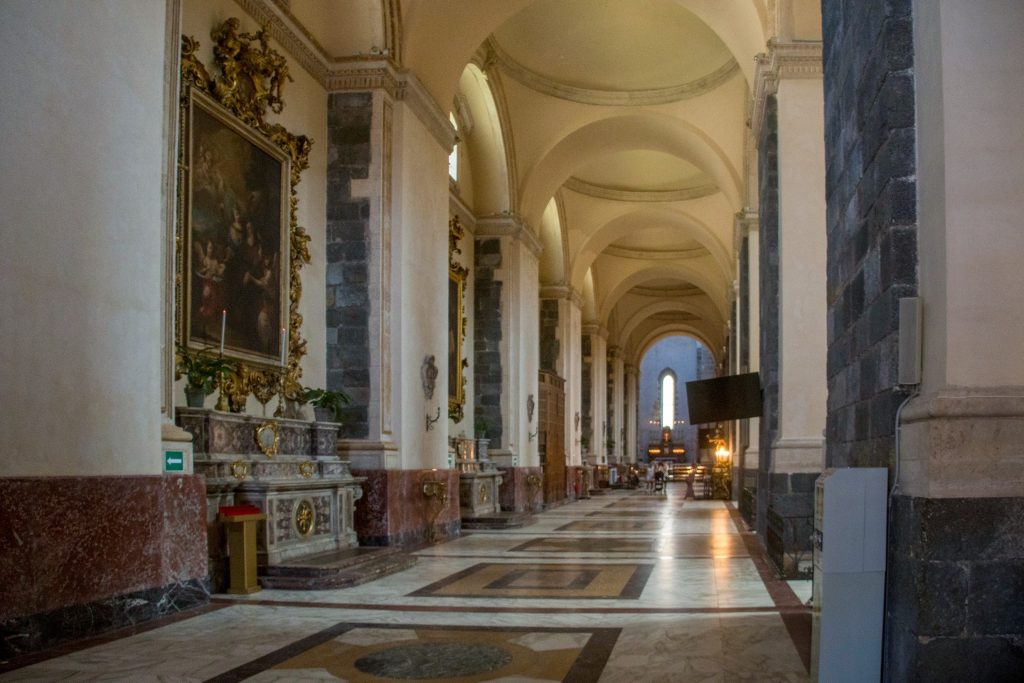
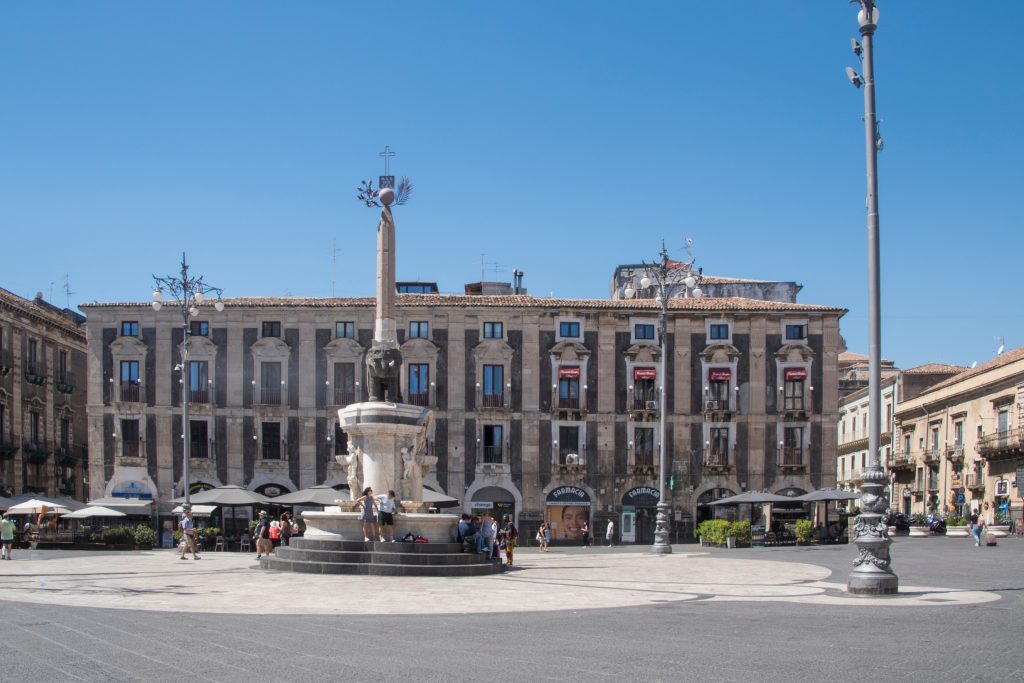
- Piazza del Duomo & Piazza Vincenzo Bellini: The heart of the city; tour the main cathedral and take a photo beside the iconic Elephant Fountain (Fontana dell’Elefante).
- La Pescheria (Fish Market): A bustling, colorful, and noisy authentic morning experience.
- City Walk: Stroll down vibrant Via Etnea, visit Castello Ursino, and marvel at the Roman Theatre.
Local Bites:
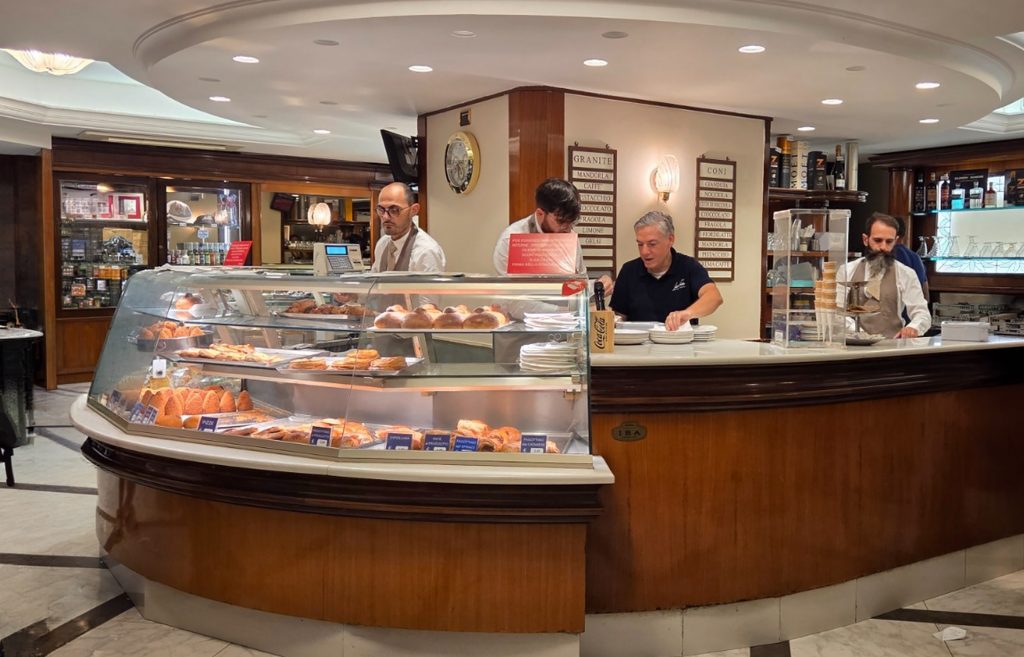
- Granita e Brioche: The quintessential Sicilian breakfast—almond or pistachio granita served with a warm brioche bun (try Caffè del Duomo or Caffè Epocale).
- Pasta alla Norma: Catania’s signature dish—pasta topped with fried eggplant, rich tomato sauce, and grated salted ricotta.
Arancini: Crispy, deep-fried stuffed rice balls (sample them at Savia or Pasticceria Spinella).
Syracuse & Noto: Ancient Splendor & Baroque Beauty
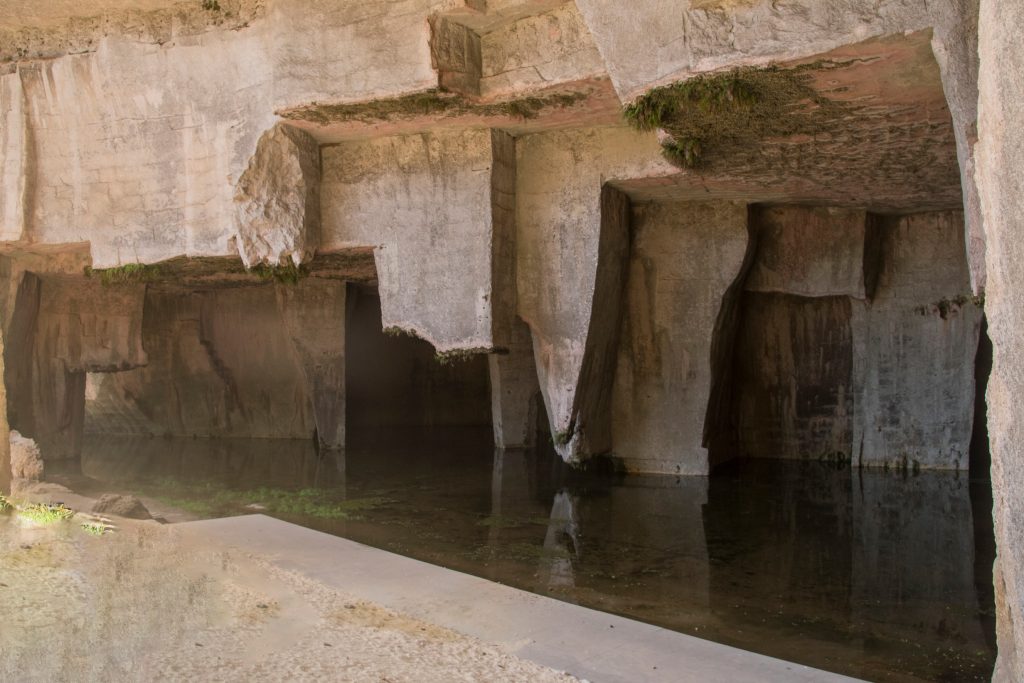
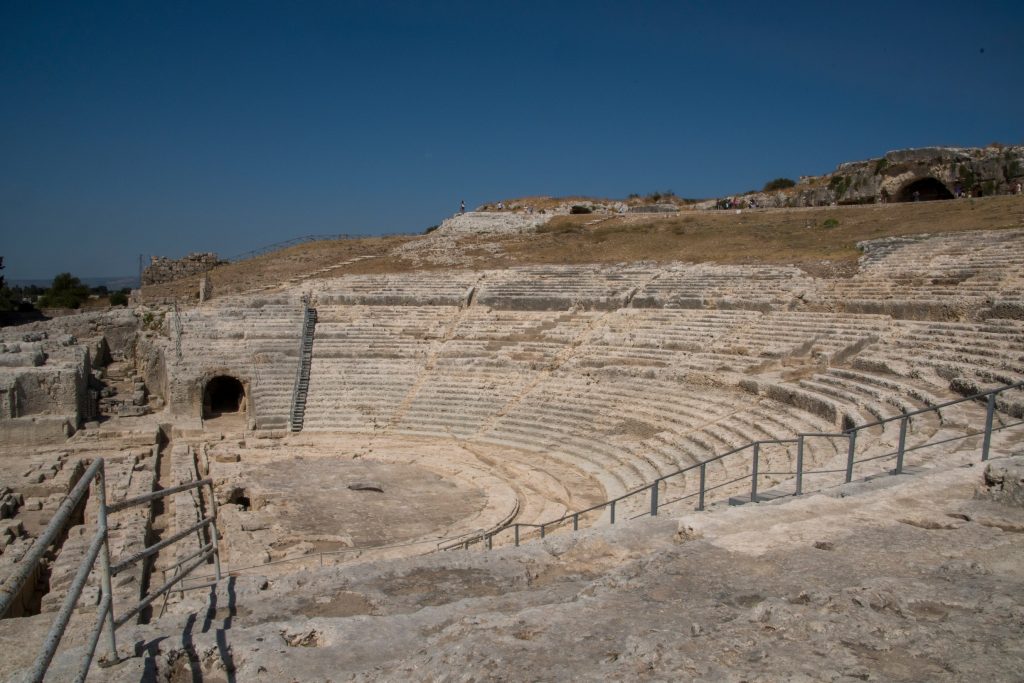
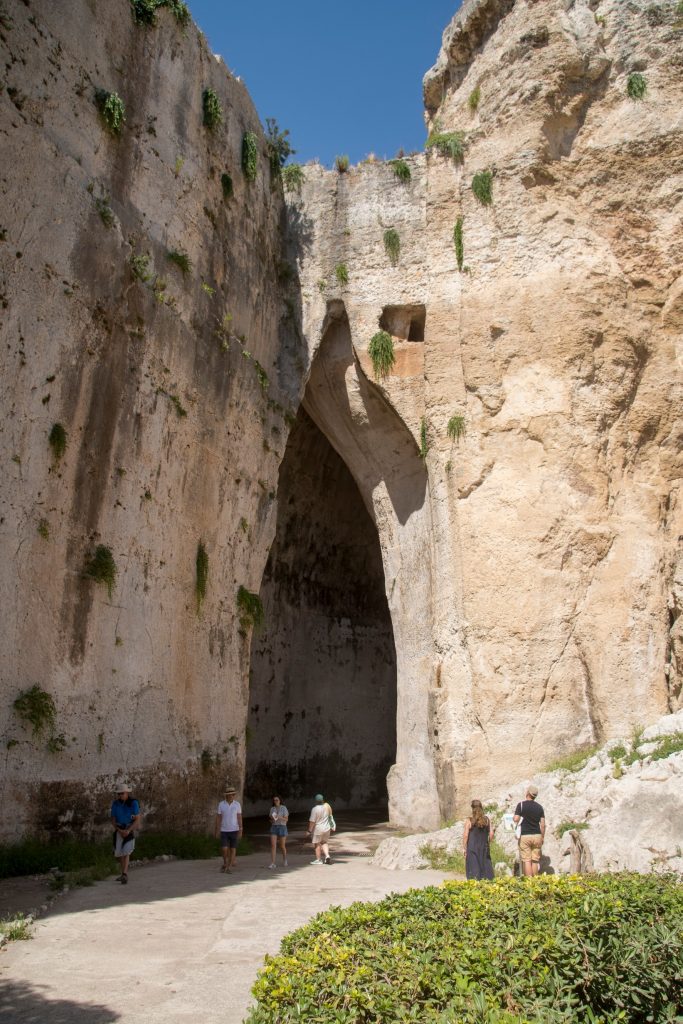
The following day, we visited the Neapolis Archaeological Park in Syracuse. The massive Greek amphitheater lay quiet under the scorching sun as visitors snapped selfies along the surrounding trail. Among the most impressive sites was the Ear of Dionysius—an immense acoustic cave wrapped in mythological lore.
Syracuse, the ancient capital of Sicily and birthplace of Archimedes, embodies timeless Mediterranean elegance. Ancient Greek ruins emerge from lush citrus groves, café tables spill onto dazzling Baroque piazzas, and honey-hued medieval alleys lead gracefully to the glittering blue sea.
Exhausted by the heat and walking, we arrived at the island of Ortigia with little energy left to explore the Duomo Square or Fonte Aretusa. We happily settled for a delicious local sandwich at the market before driving on to Noto.
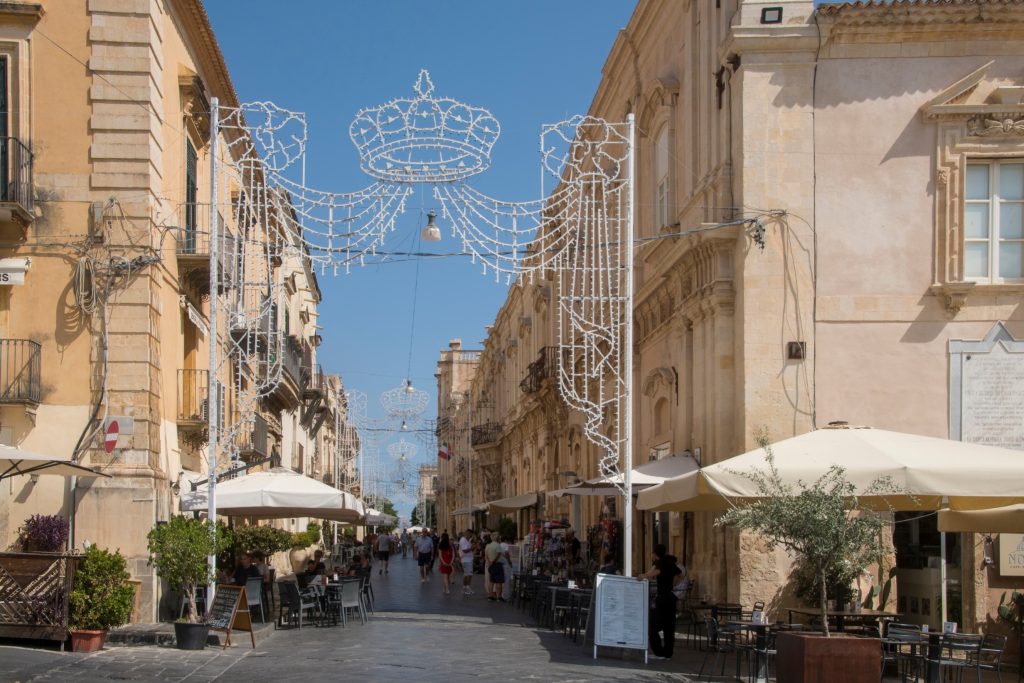
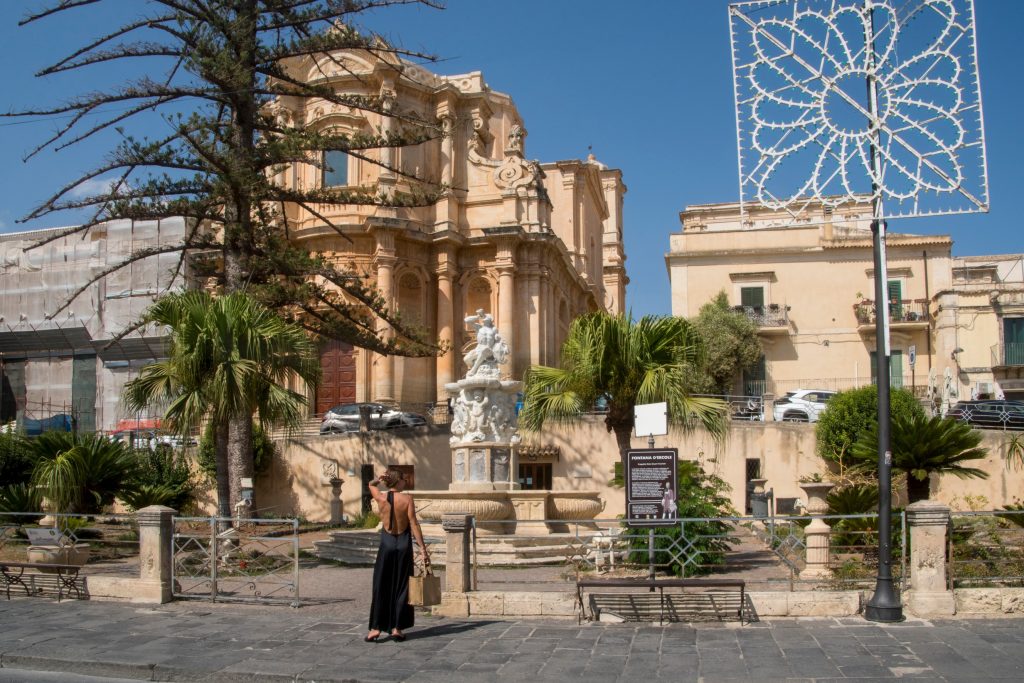
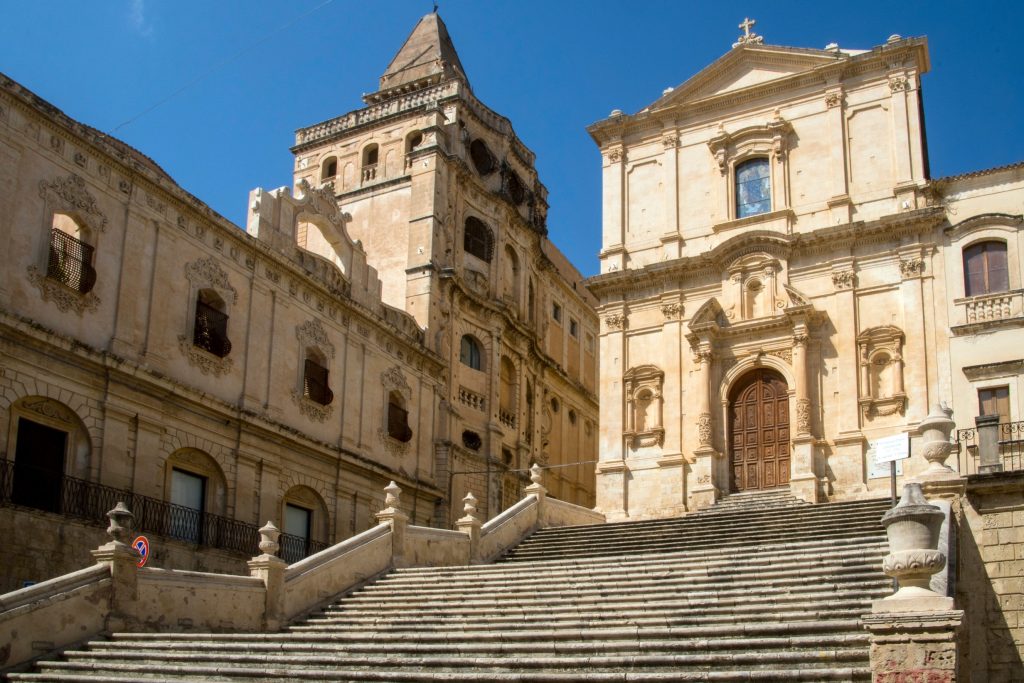
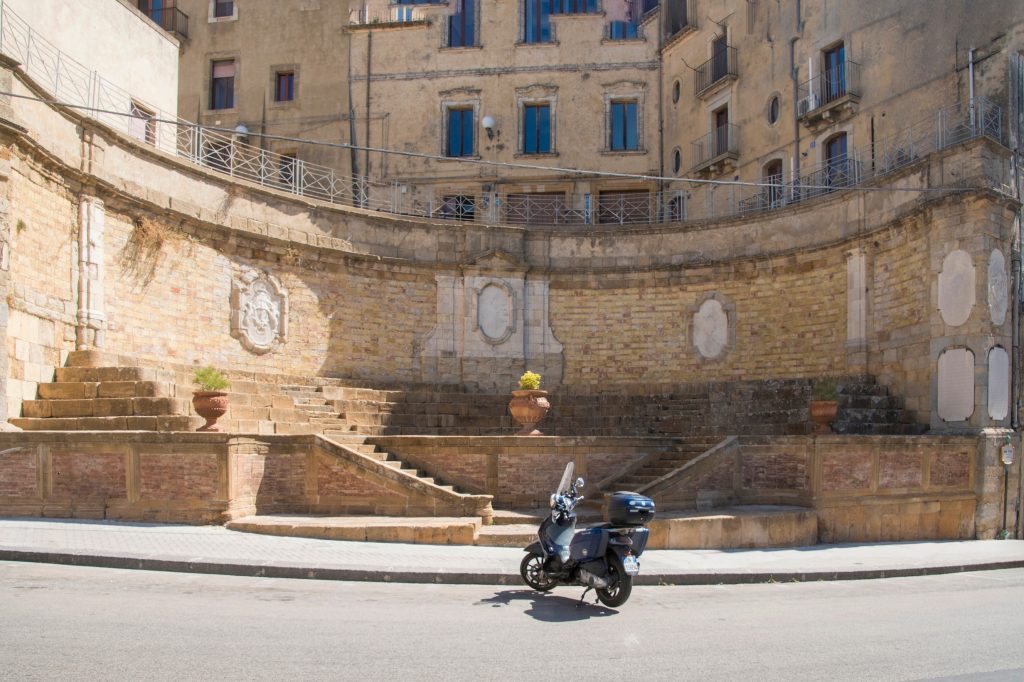
Noto is a magnificent Baroque jewel. A leisurely stroll along Corso Vittorio Emanuele offers breathtaking views of grand staircases and palaces crafted from golden limestone.
Must-See in Noto:
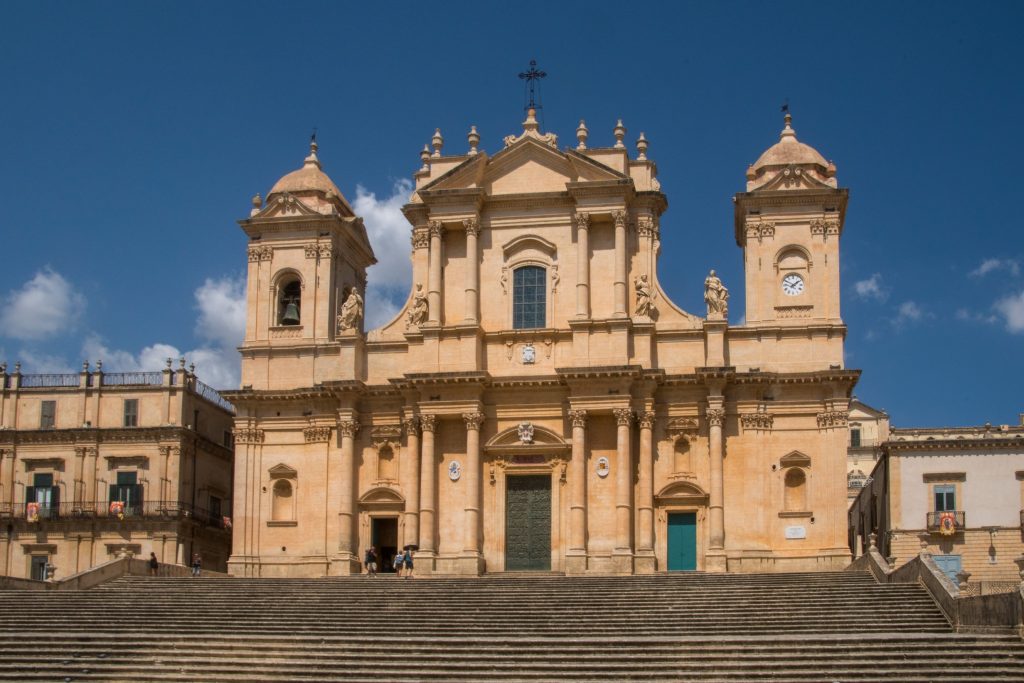
- Noto Cathedral (Cattedrale di San Nicolò): The city’s icon, featuring a majestic Baroque facade that glows gold in the late afternoon sun.
- Palazzo Ducezio: The 18th-century town hall opposite the cathedral, home to a stunning Hall of Mirrors and a panoramic balcony.
- Caffè Sicilia: Stop by for world-renowned gelato or granita.
We wrapped up the evening back in Catania, indulging in unique pastries at a local pasticceria.
Mount Etna, the Hidden Gorge & Taormina
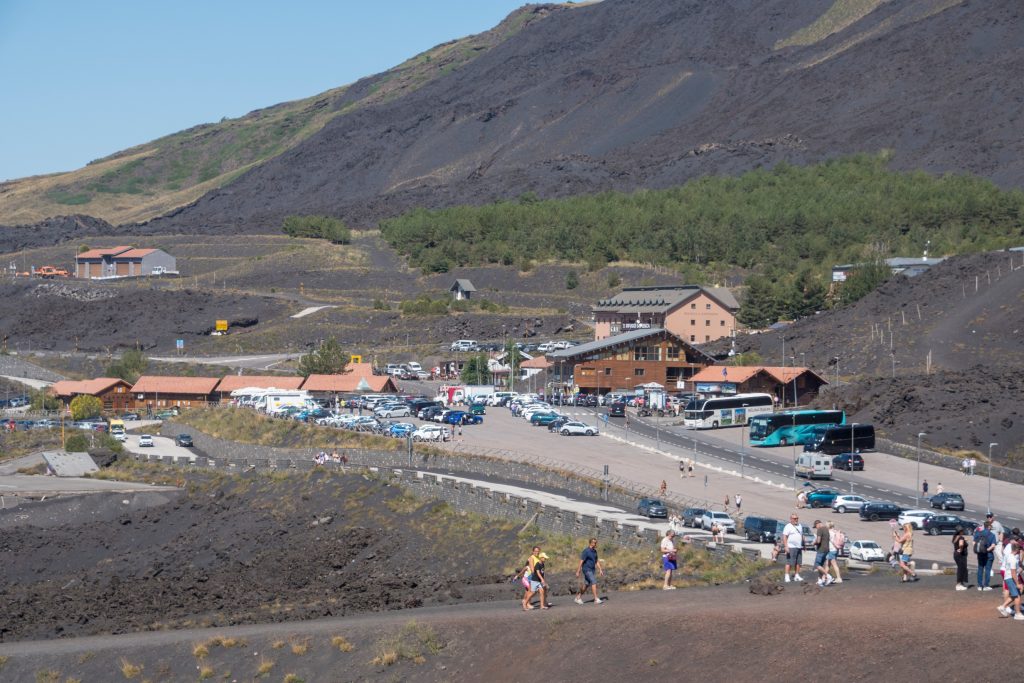
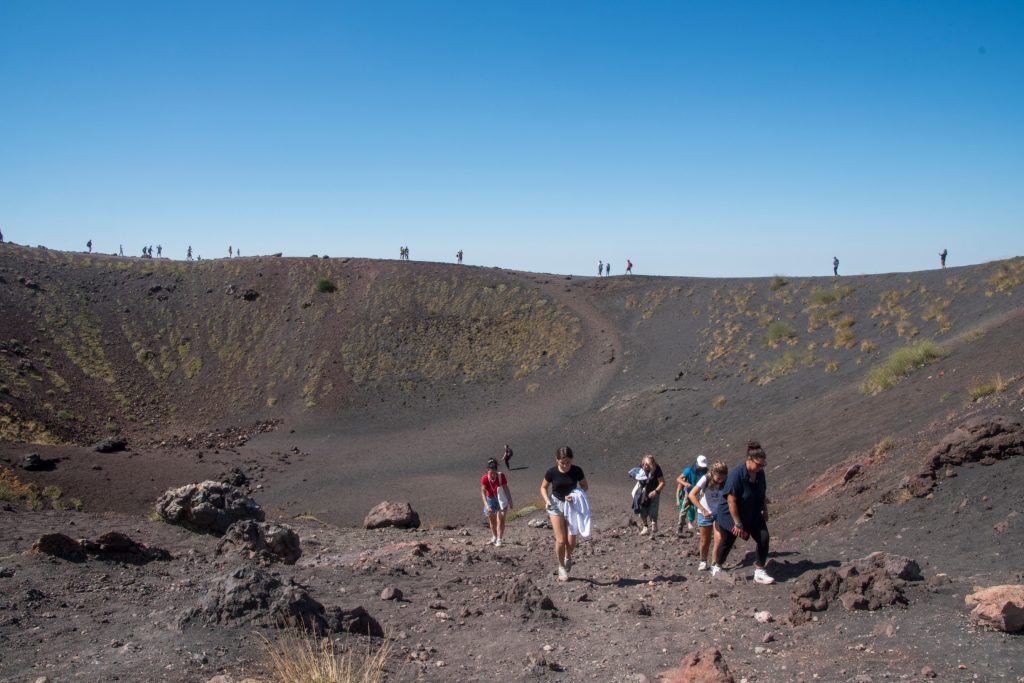
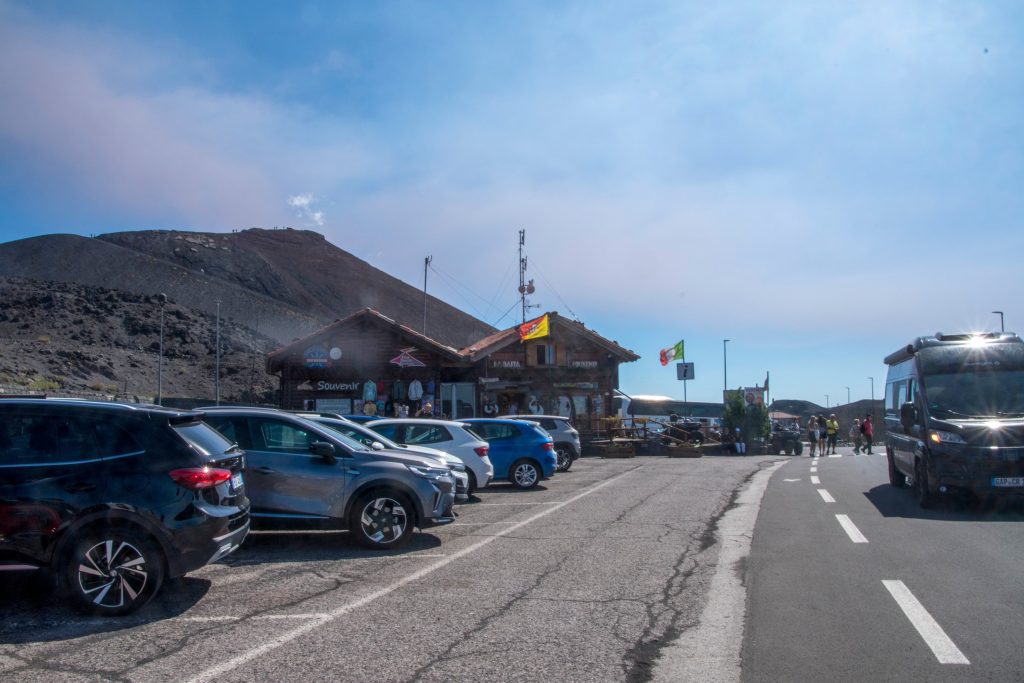
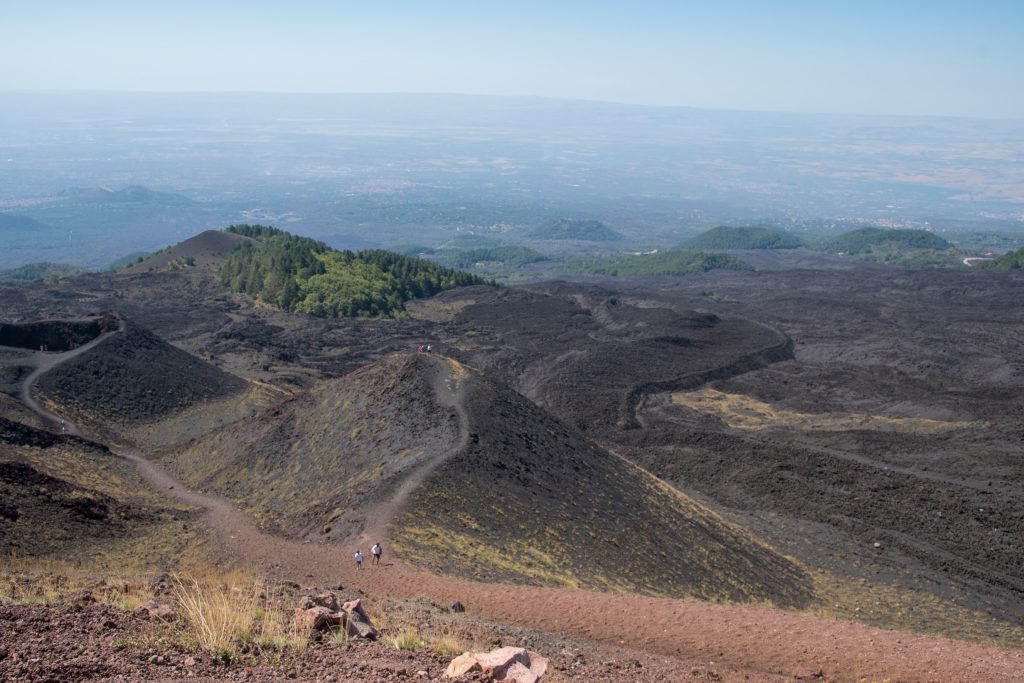
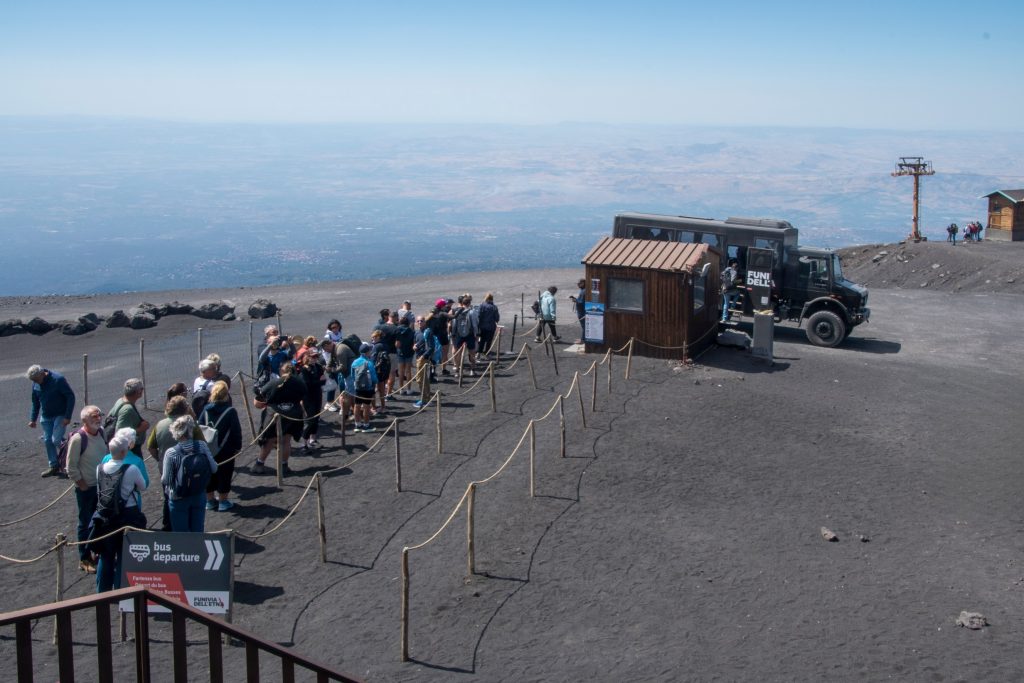
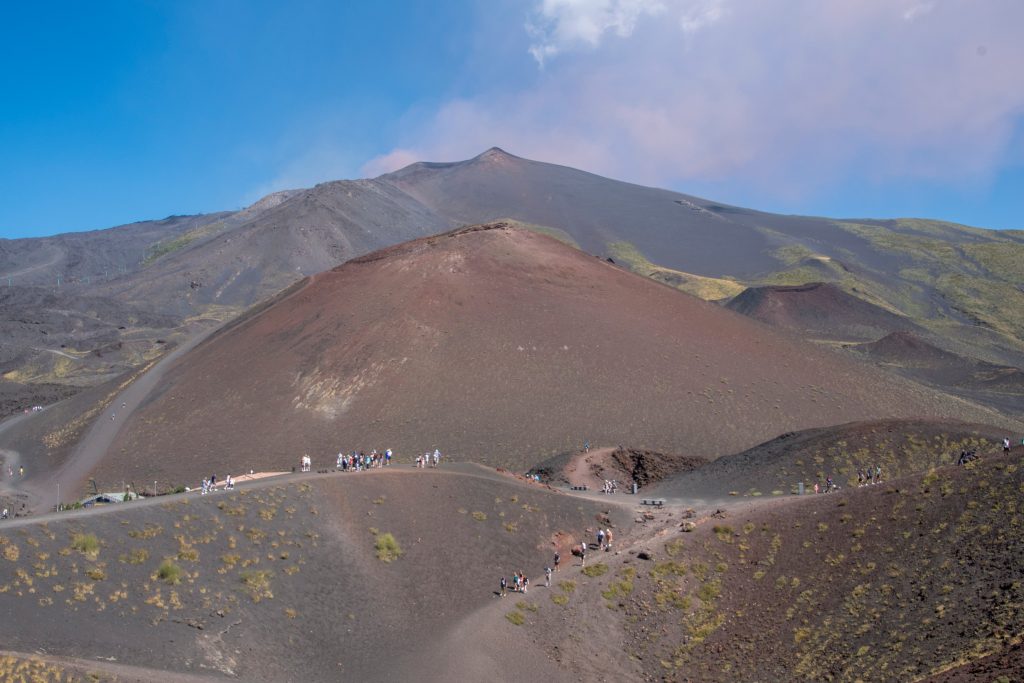
Our car handled the winding climb to Mount Etna effortlessly, reaching the Rifugio Sapienza parking area at 1,900 meters. Here, we finally enjoyed refreshing, cooler temperatures. We hiked around the grey, basalt-covered Silvestri Craters, then took the cable car (Funivia) higher up for sweeping panoramic views.
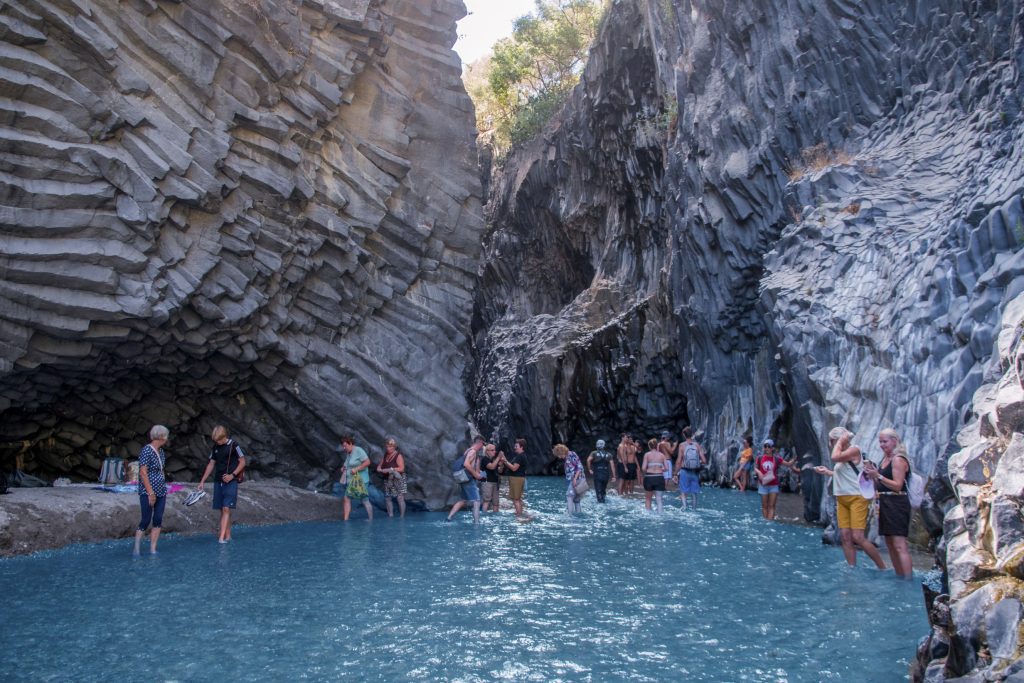
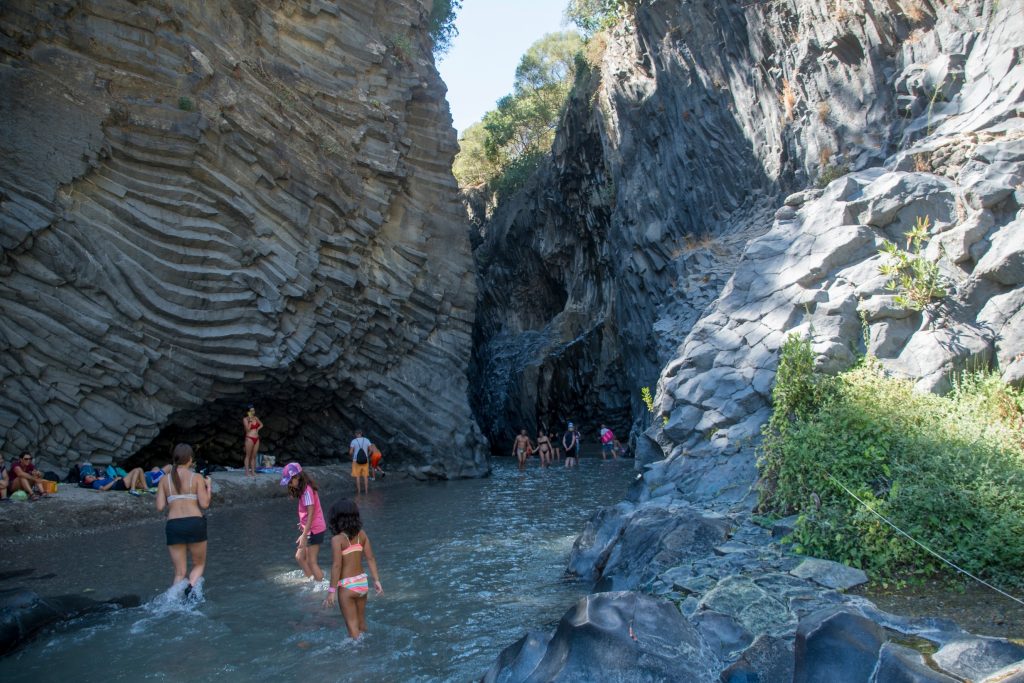
On the descent, we stopped at a dramatic canyon carved between steep cliff walls (Alcantara Gorge). A crystal-clear, shallow stream flowed along the canyon floor, where visitors waded among the sharp, geometric basalt columns. Walking over the sharp river pebbles requires sturdy water shoes (equipment rental is available on-site).
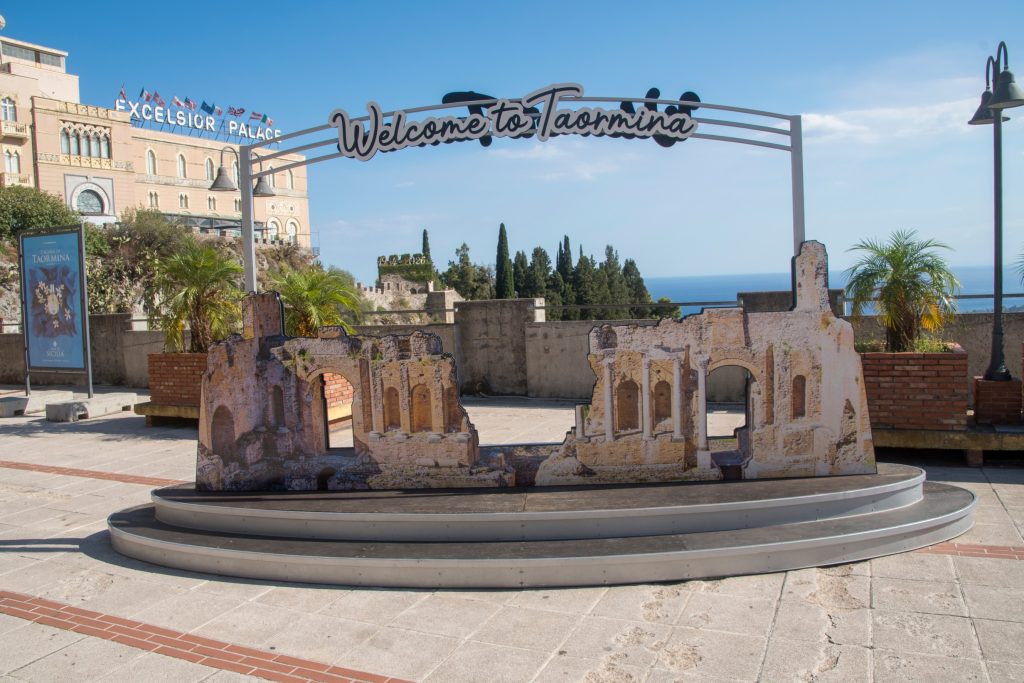
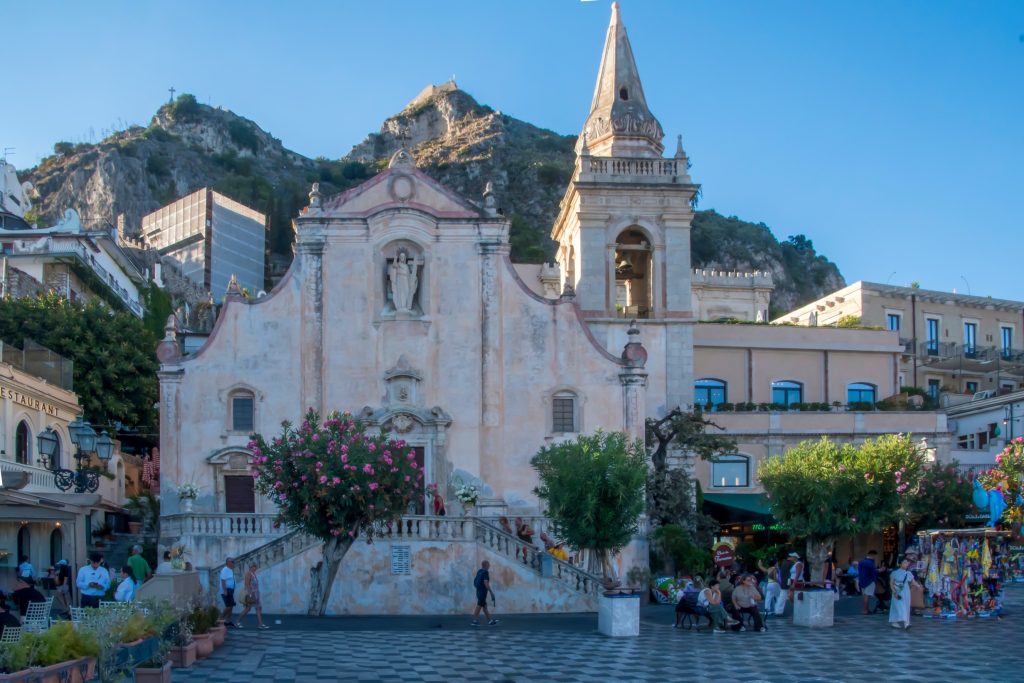
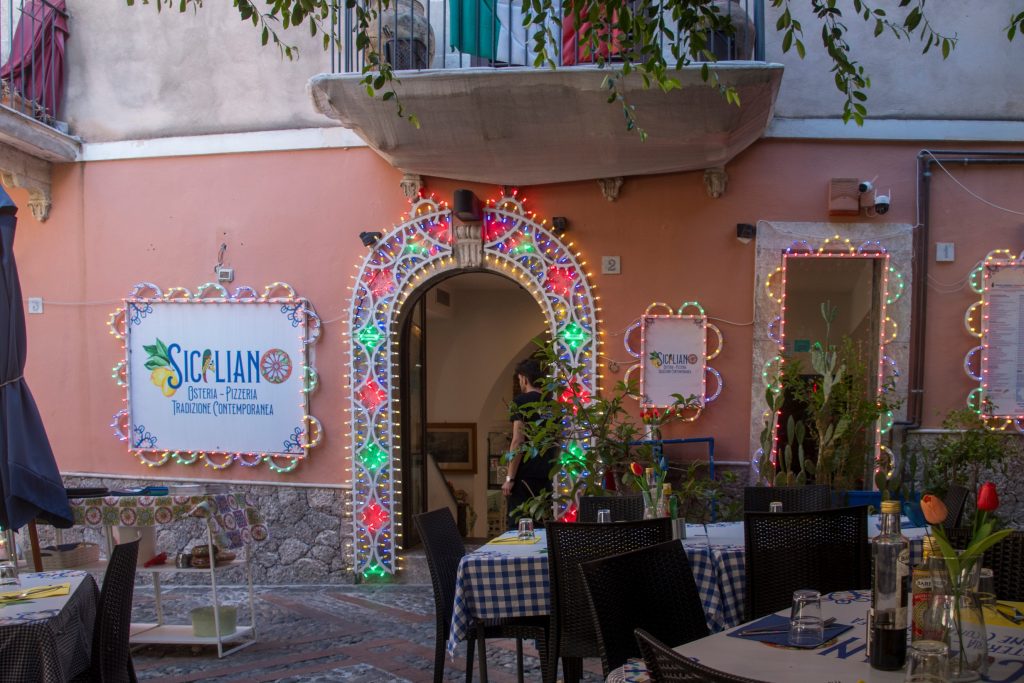
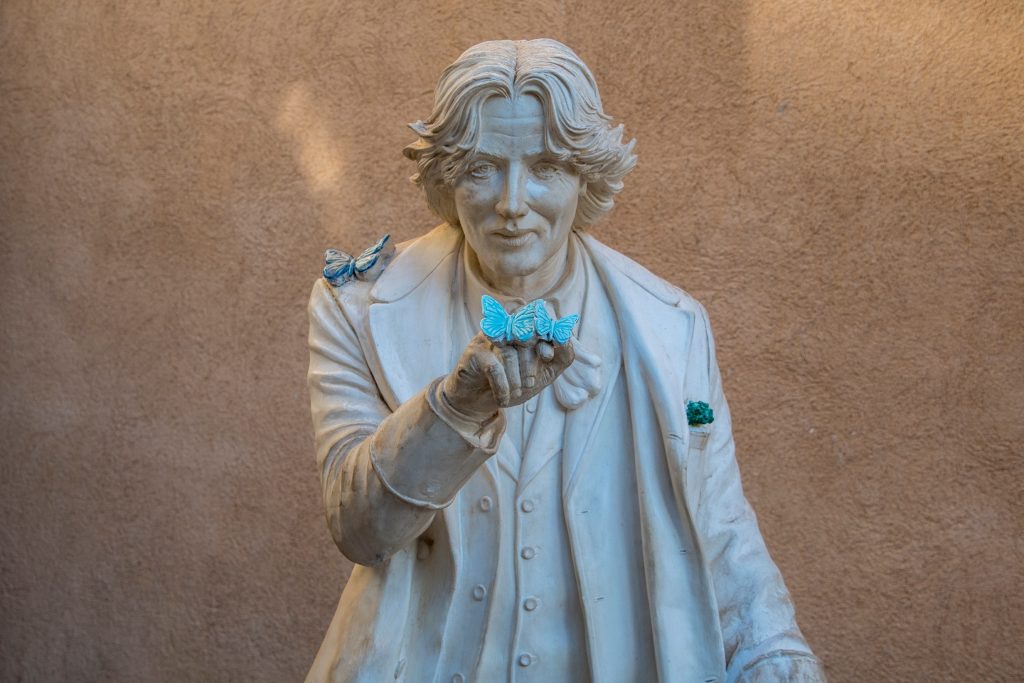
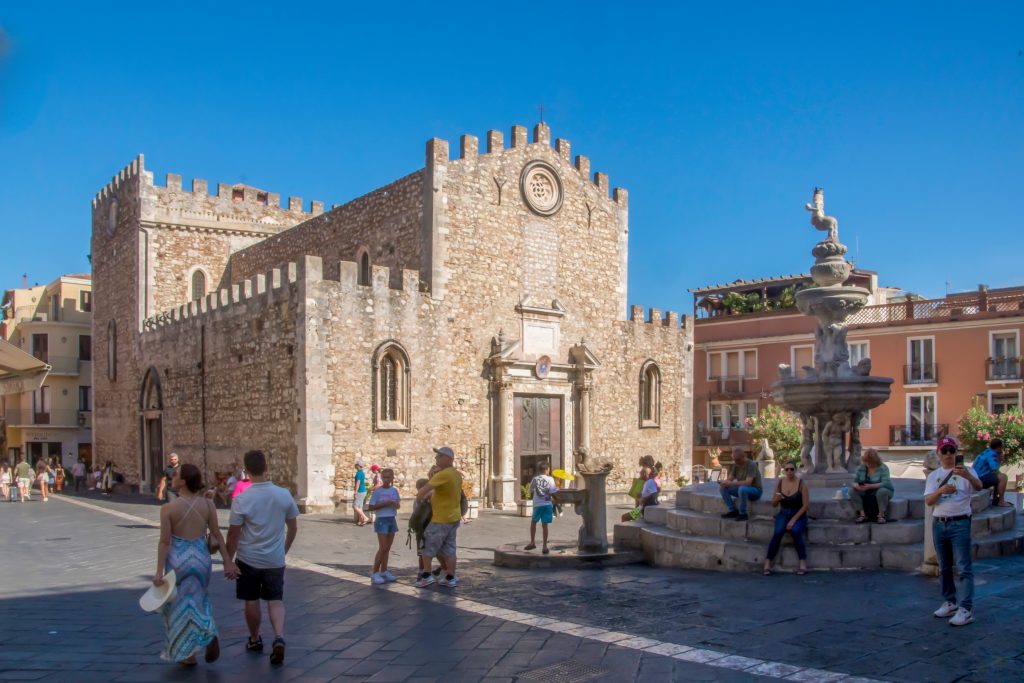
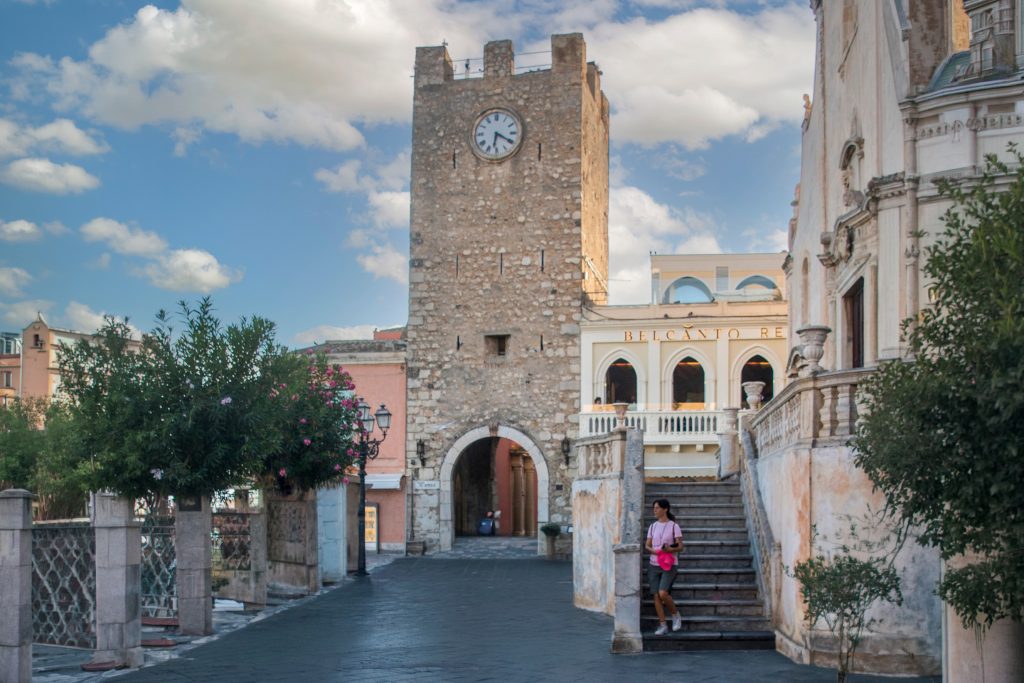
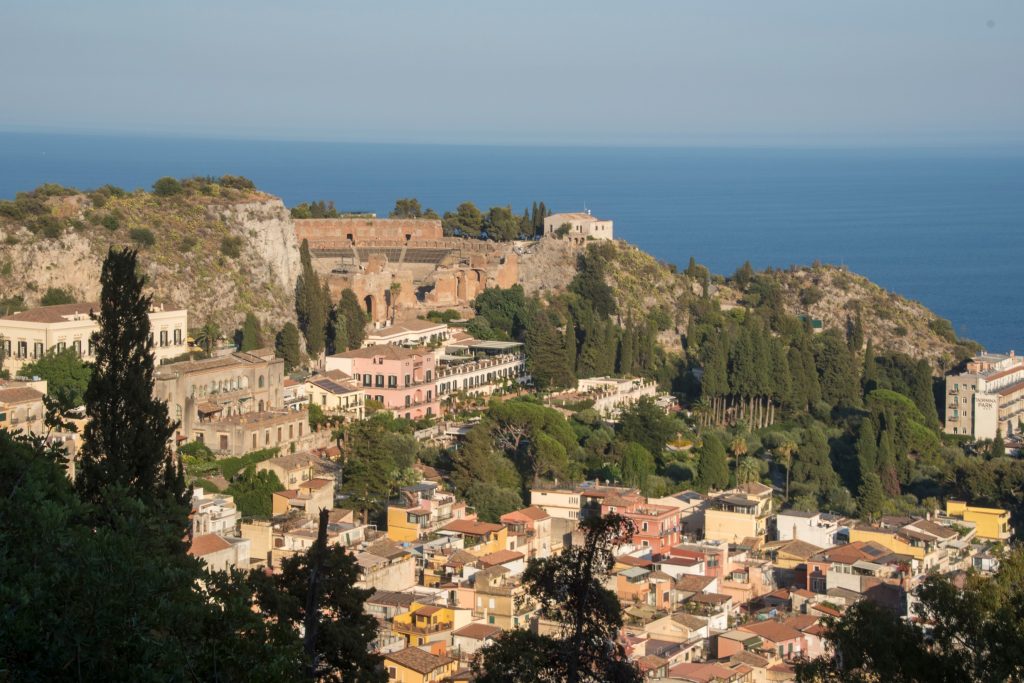
Next, we descended to Taormina. As the heat returned, we walked along the main street, greeted by a statue of Oscar Wilde, and enjoyed a delightful meal at Restaurant Sicilia.
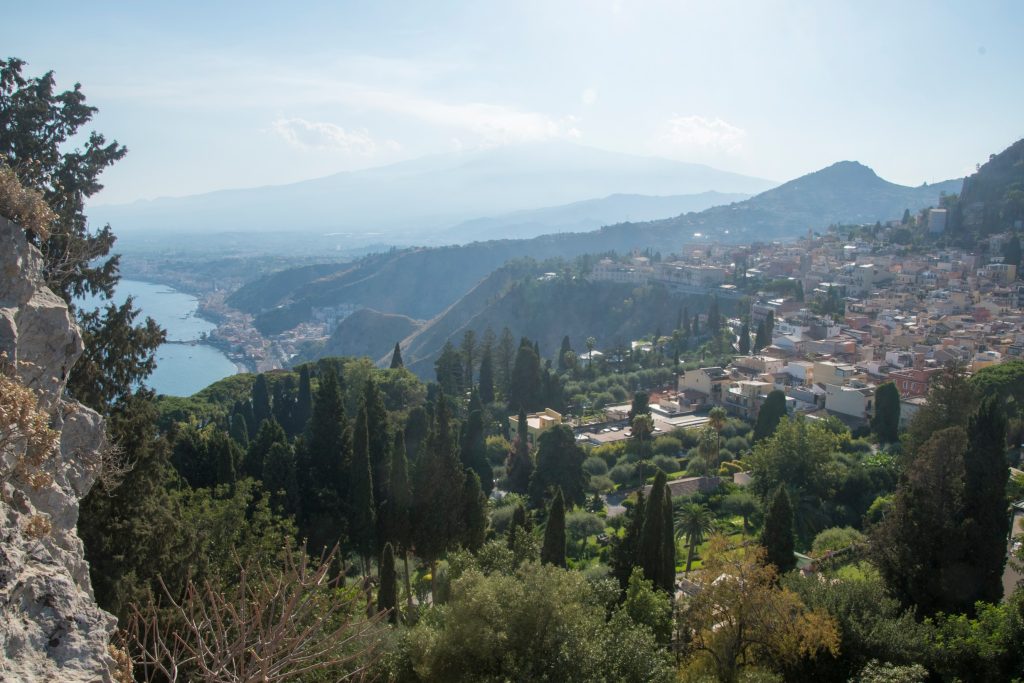
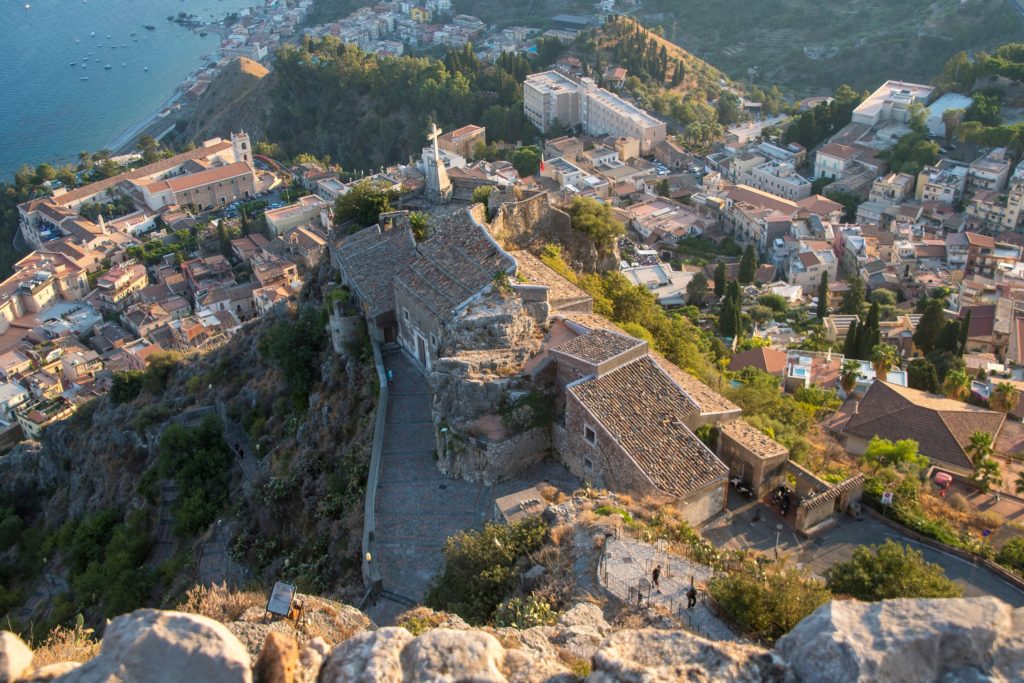
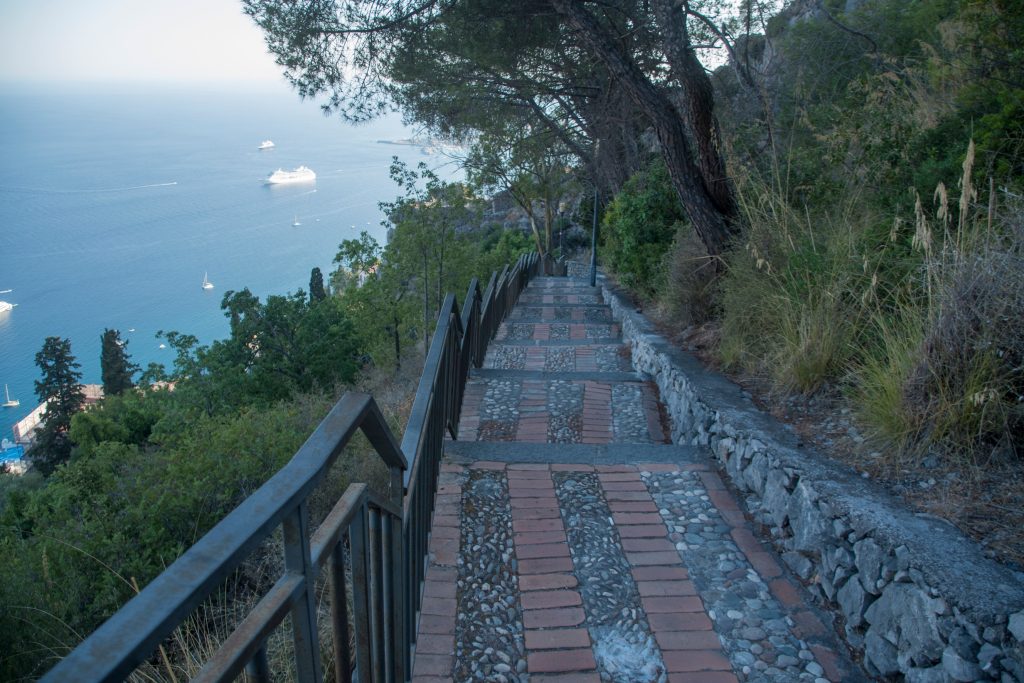
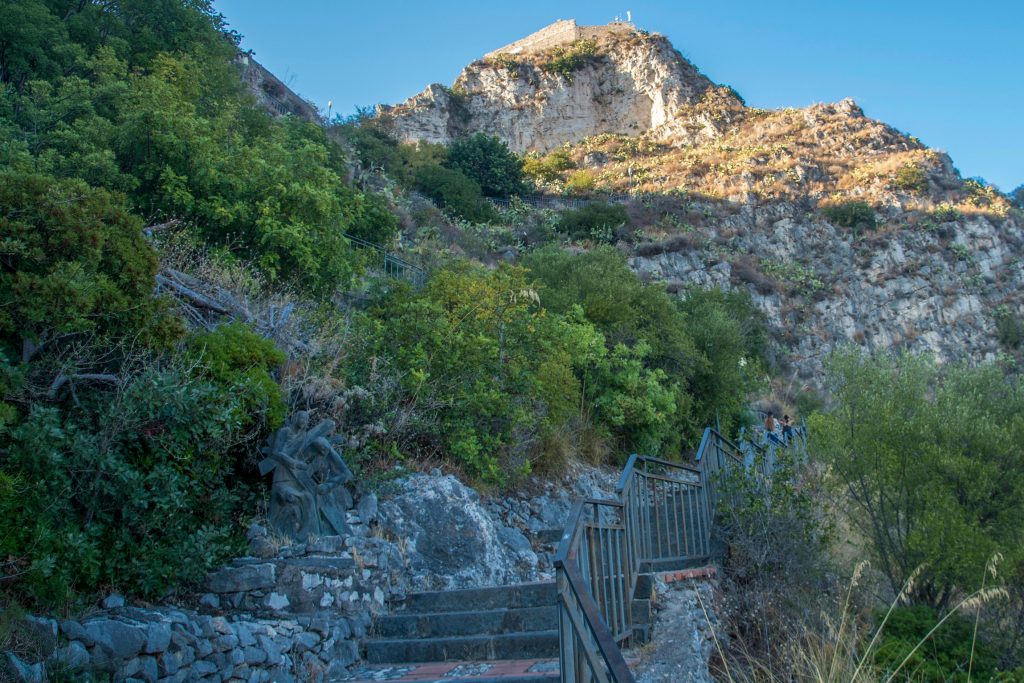
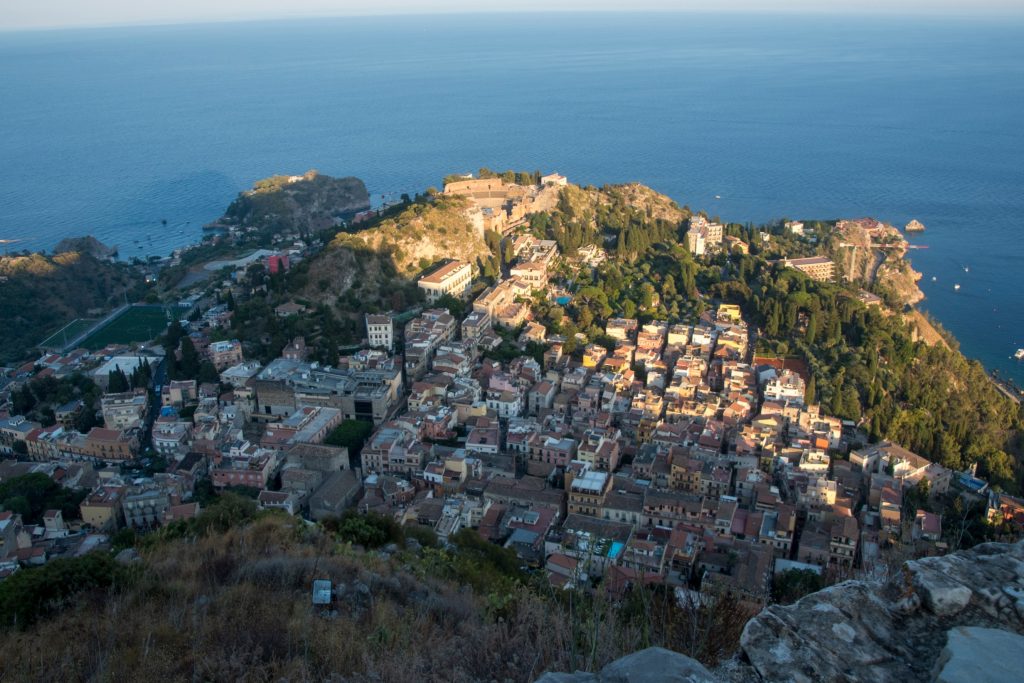
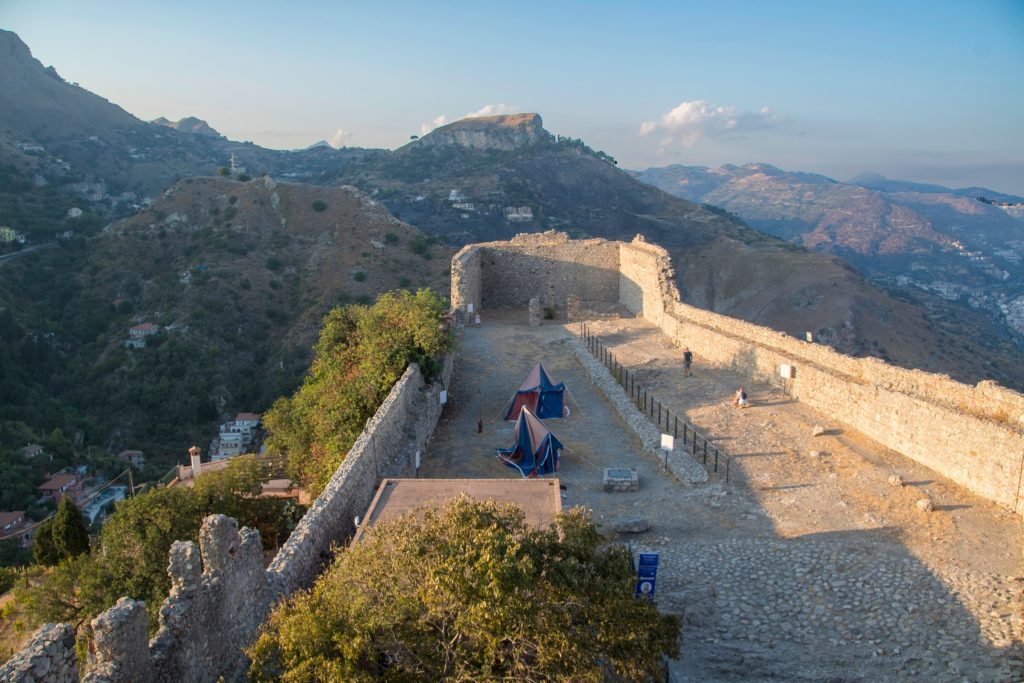
(Later in the trip, we returned to Taormina to conquer the climb up to the Castello di Taormina at the mountain peak. Counting roughly 1,000 steps, the arduous ascent was rewarded with unequaled views of the coastline and Mount Etna).
Taormina Highlights:
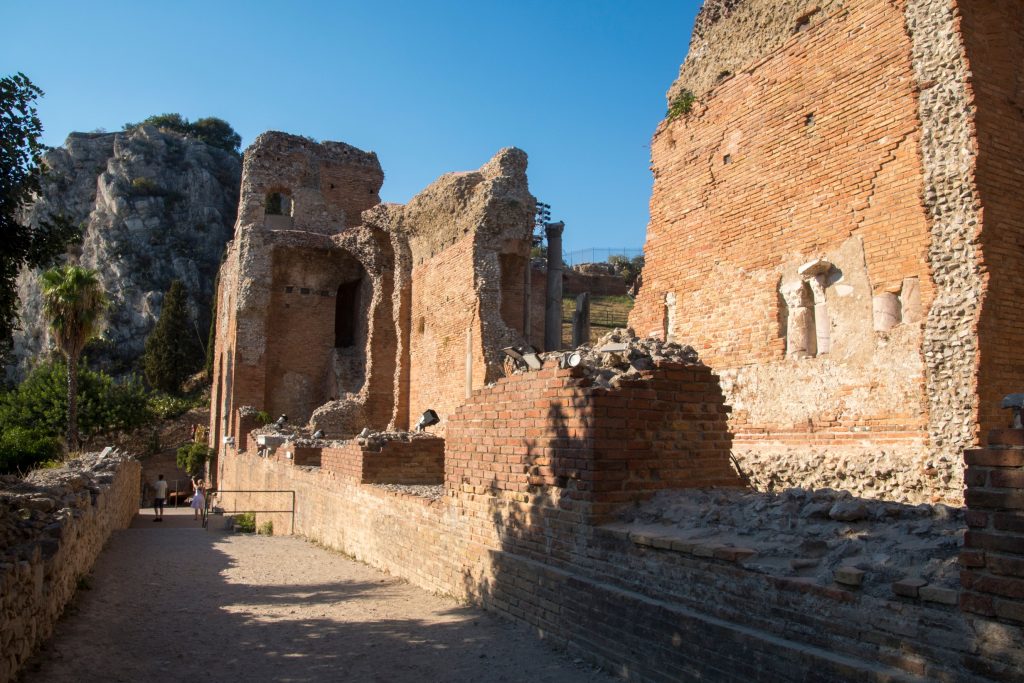
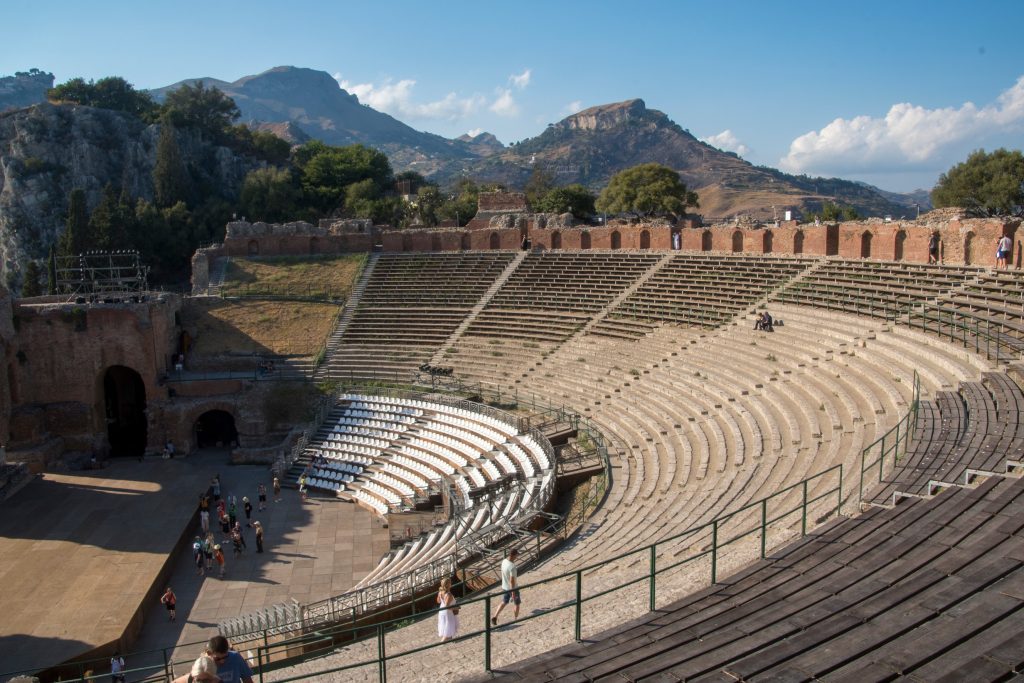
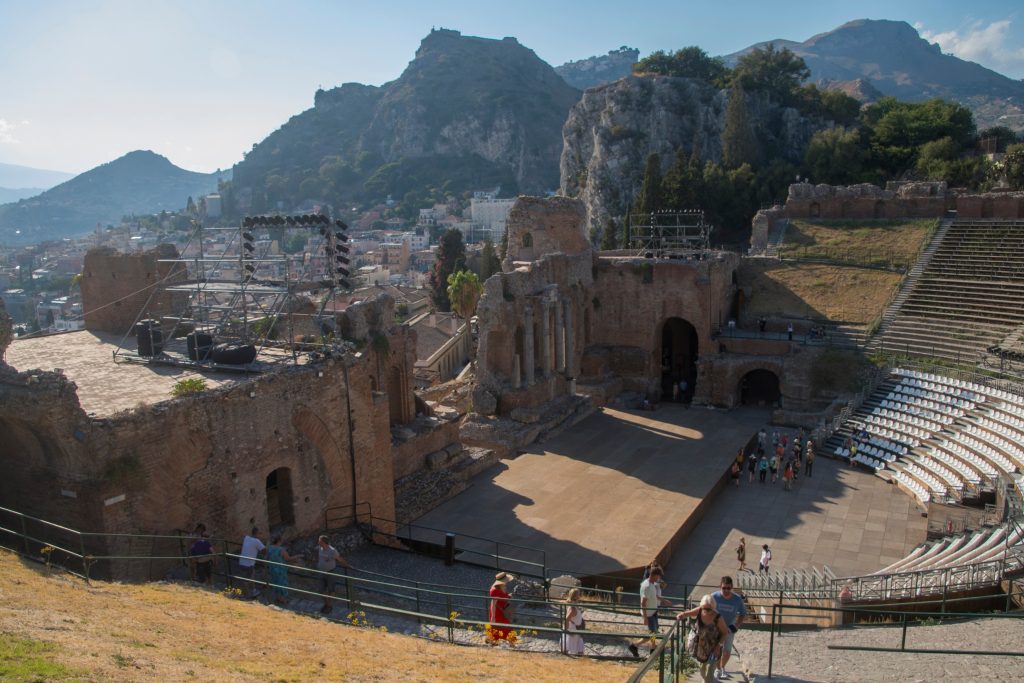
- Teatro Antico: A magnificent 3rd-century BC Greek theater framing breathtaking views of Etna and the sea.
- Palazzo Corvaja & Palazzo dei Duchi di Santo Stefano: Architectural masterpieces blending Norman, Gothic, and Arab influences.
- Wine & Sweets: Taste local Etna DOC wines, enjoy crisp cannoli at Roberto, or visit Cave Ox in Solicchiata—a legendary shrine for wine enthusiasts.
Caltagirone & Piazza Armerina: Ceramics & Roman Mosaics
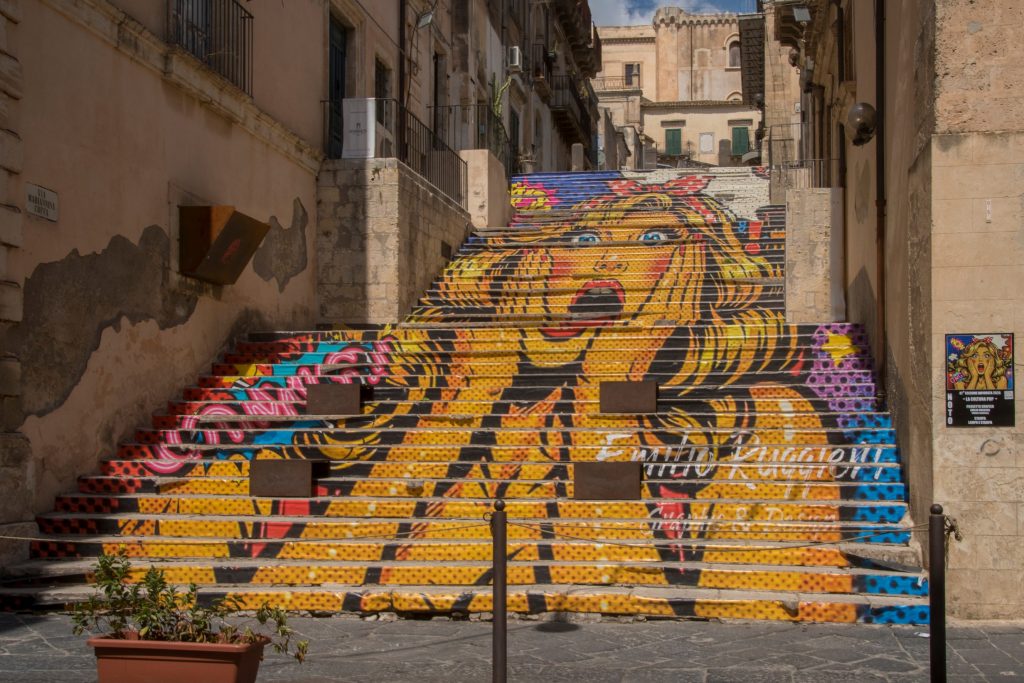
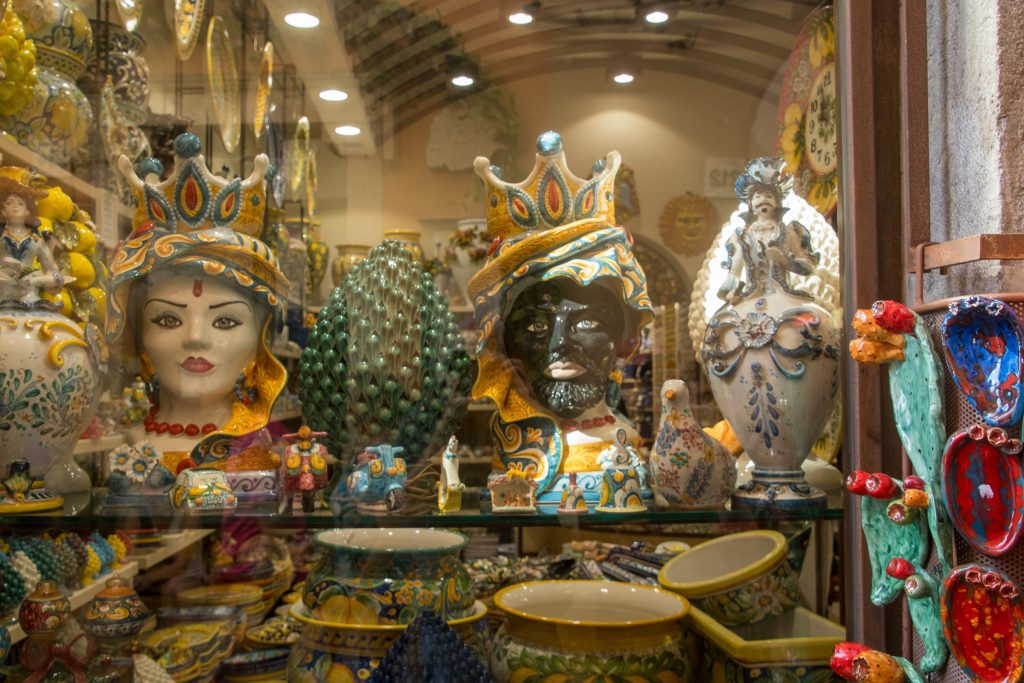
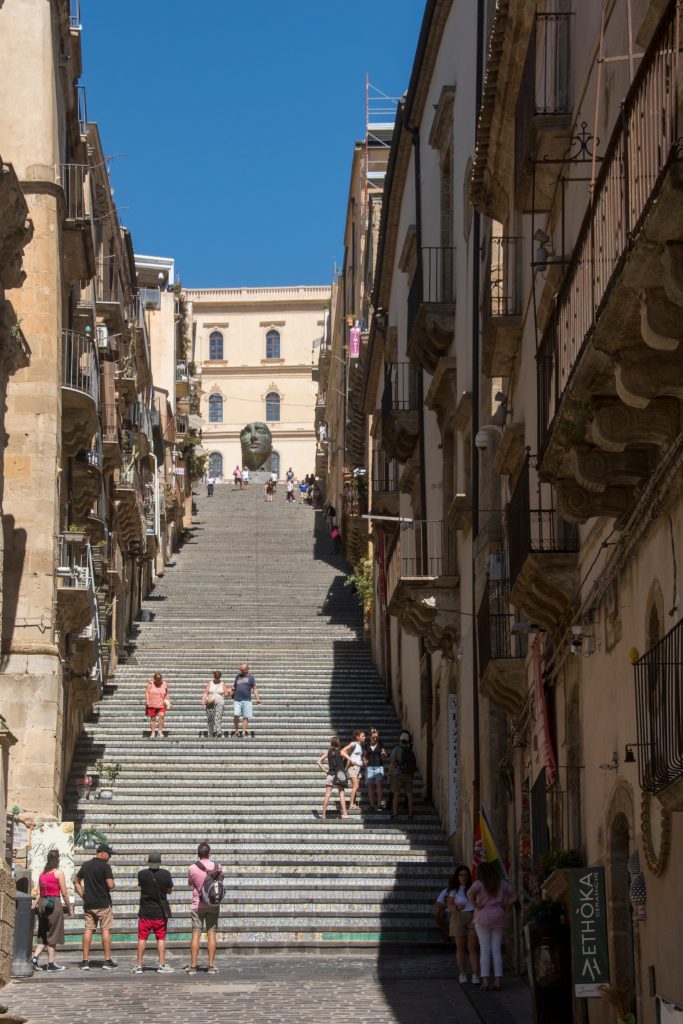
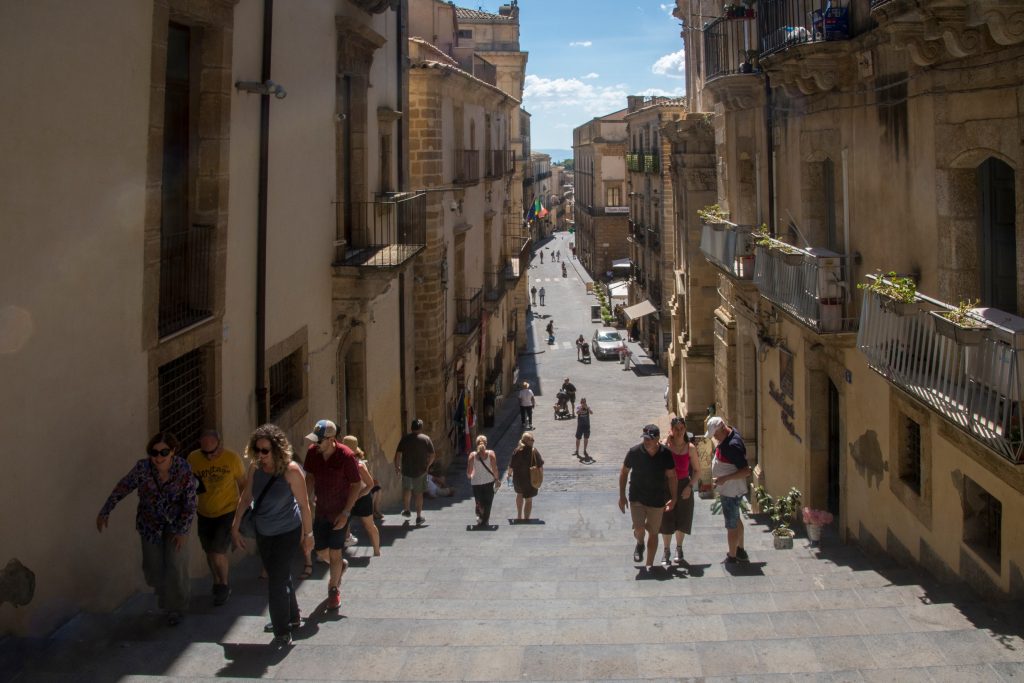
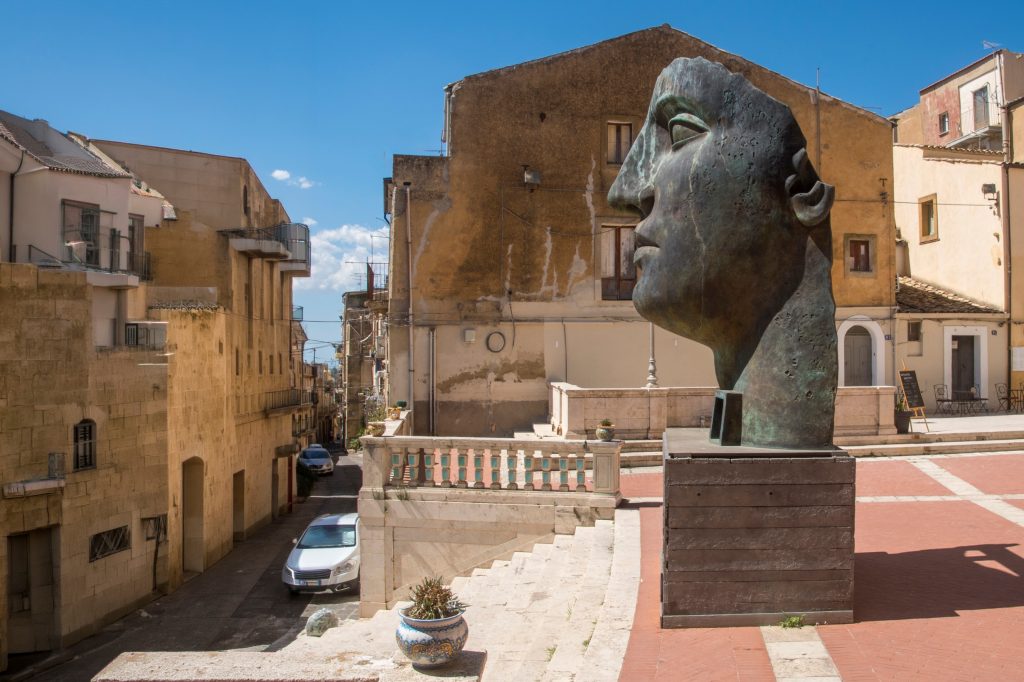
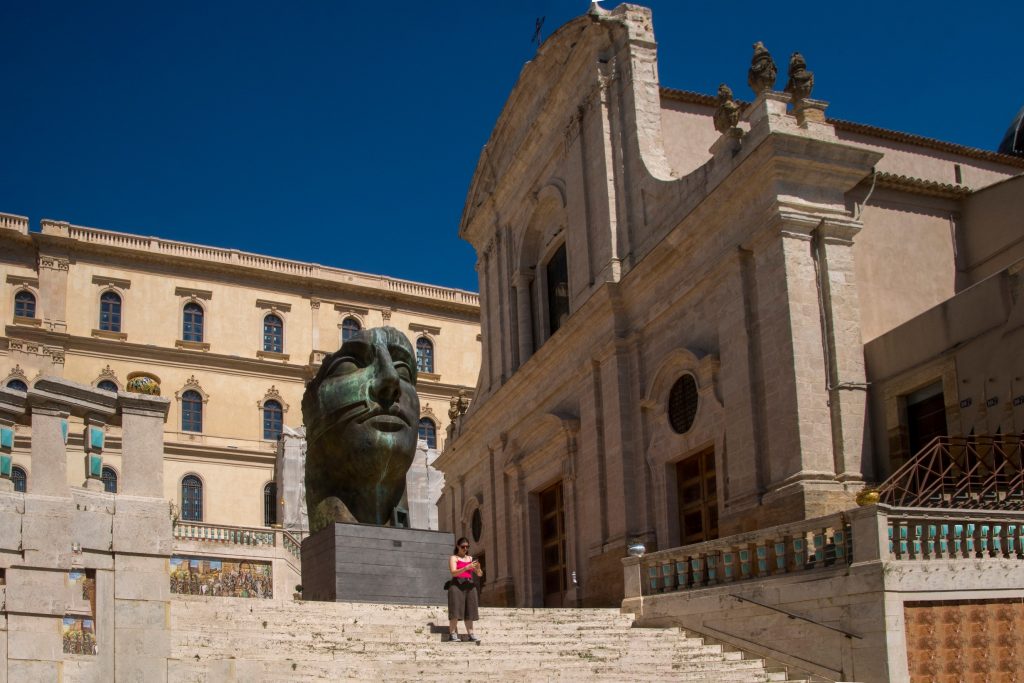
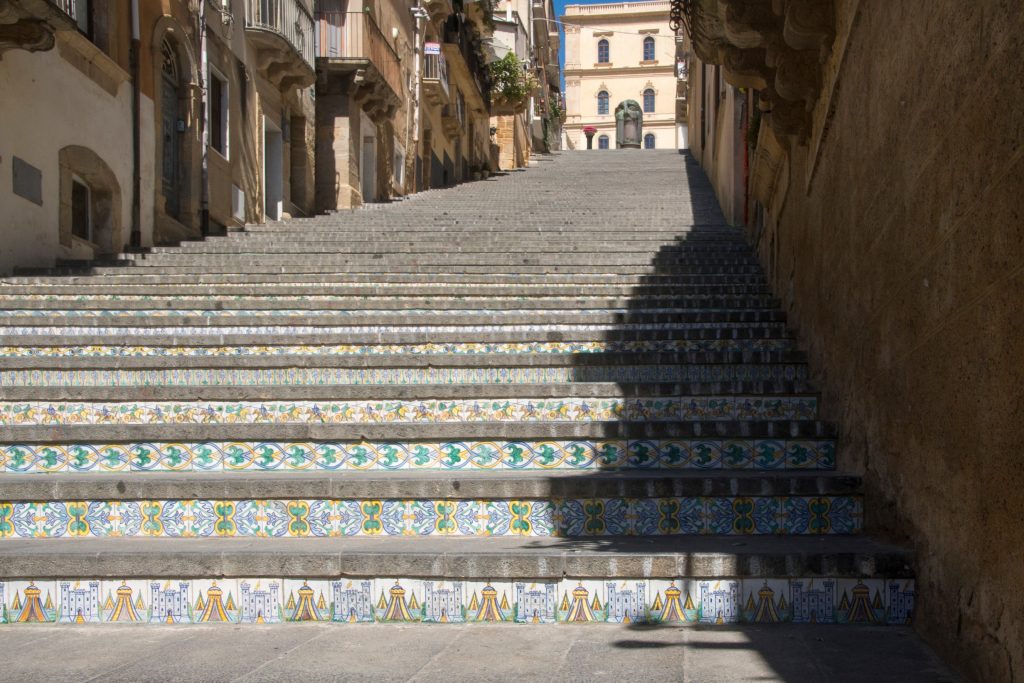
Leaving Catania behind, we drove west to Caltagirone, Sicily’s ceramic capital. The main attraction is the challenge of climbing the Scalinata di Santa Maria del Monte—142 steps adorned with hand-painted ceramic tiles.
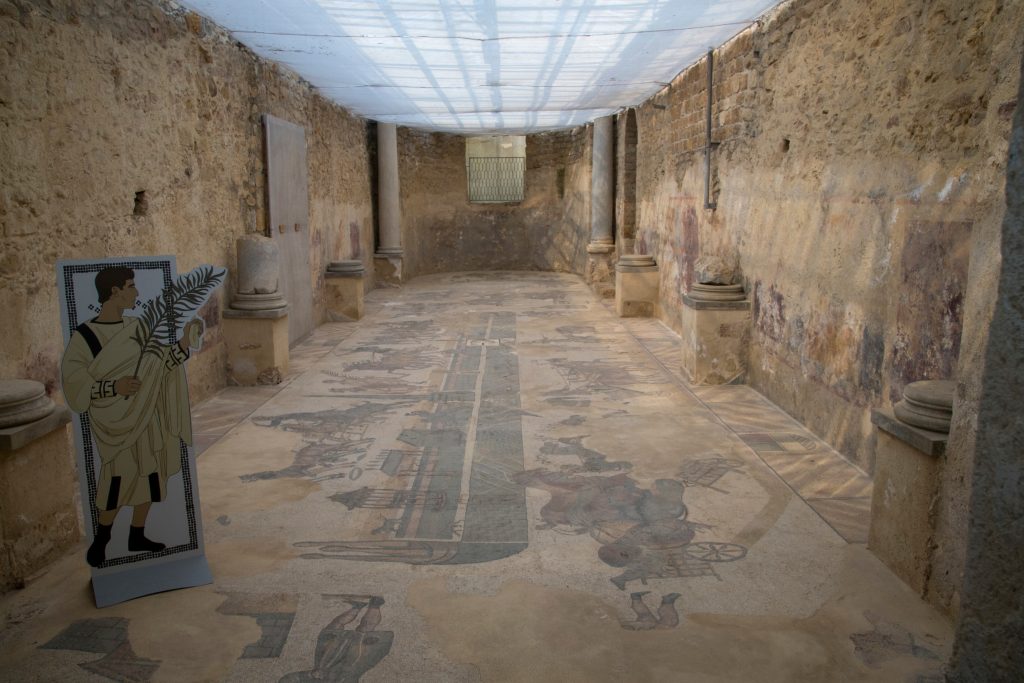
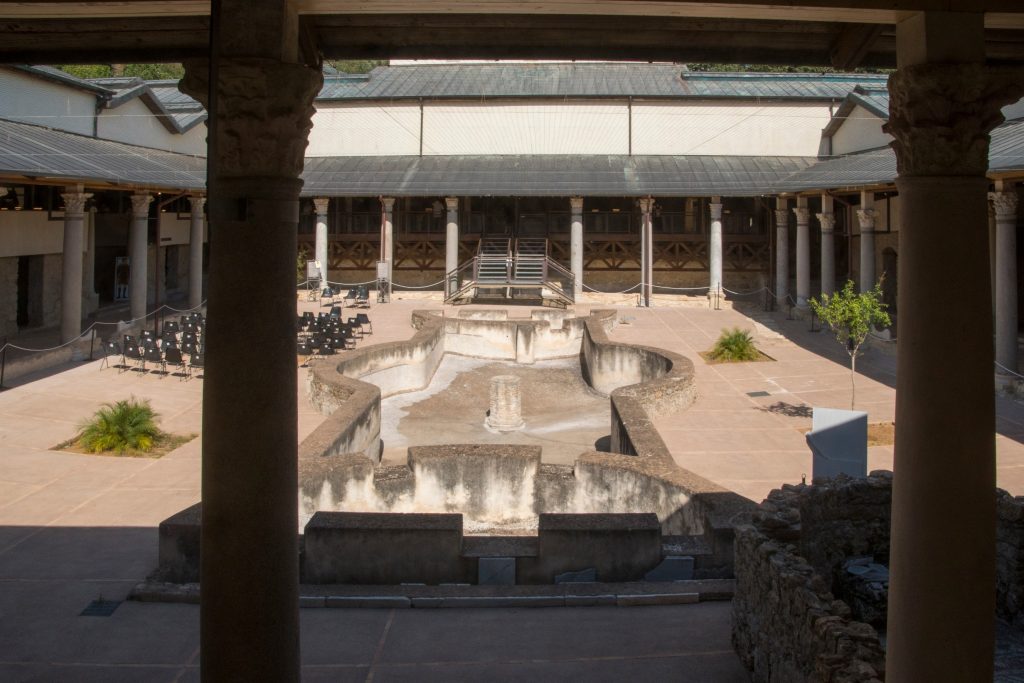
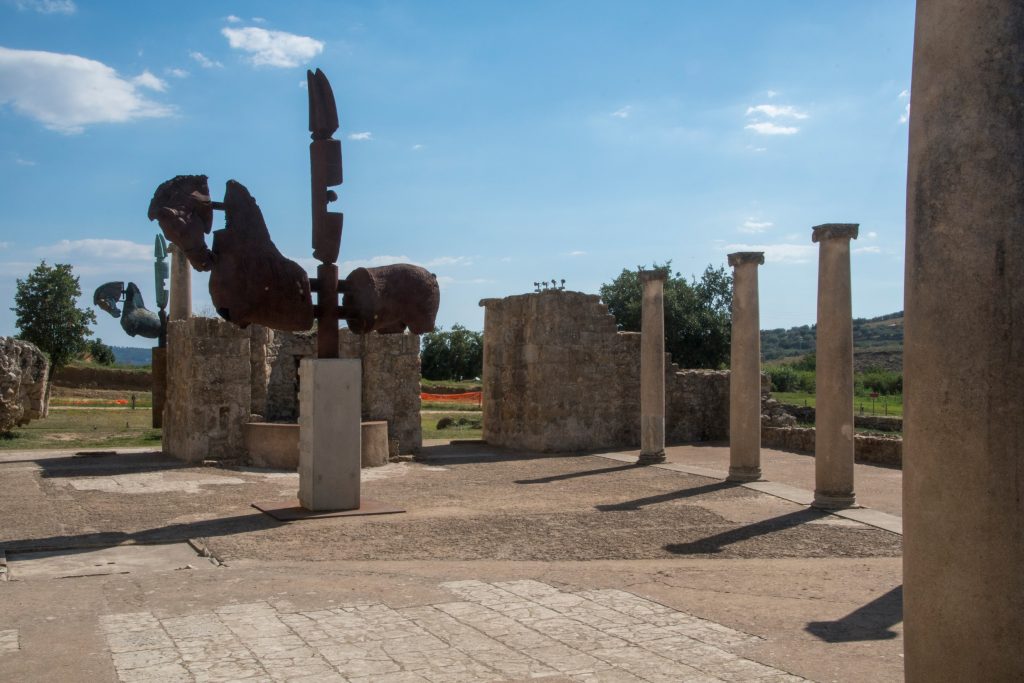
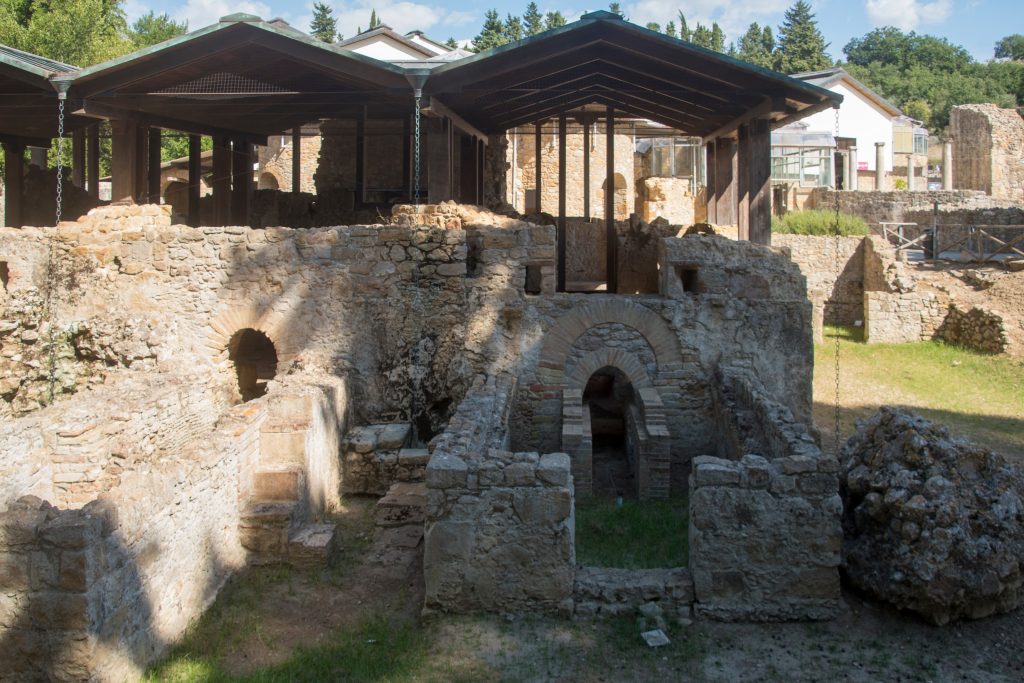
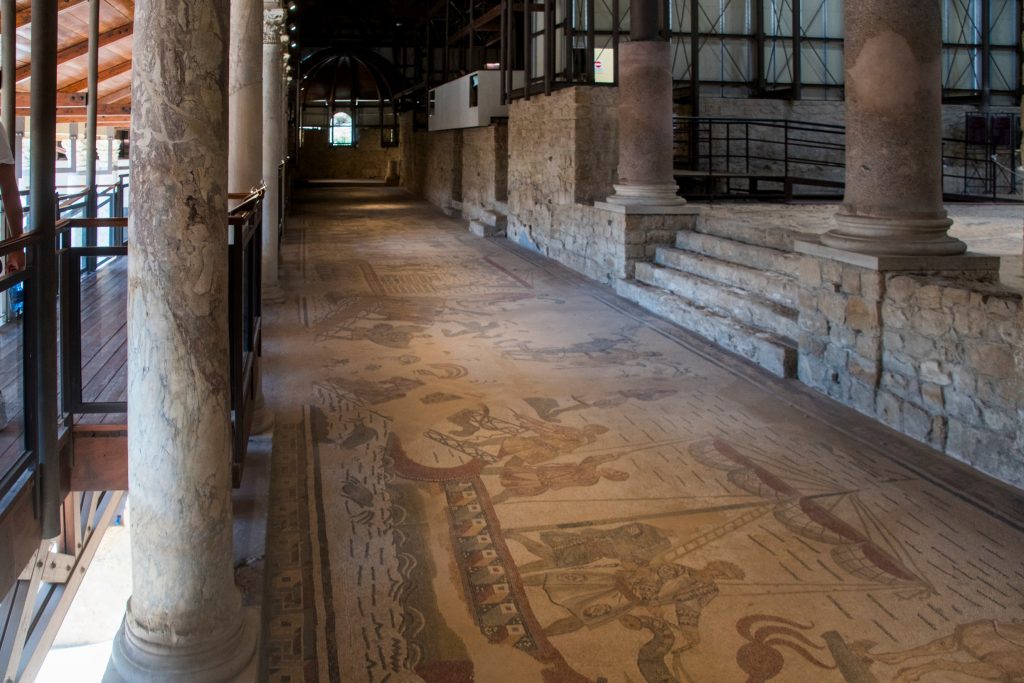
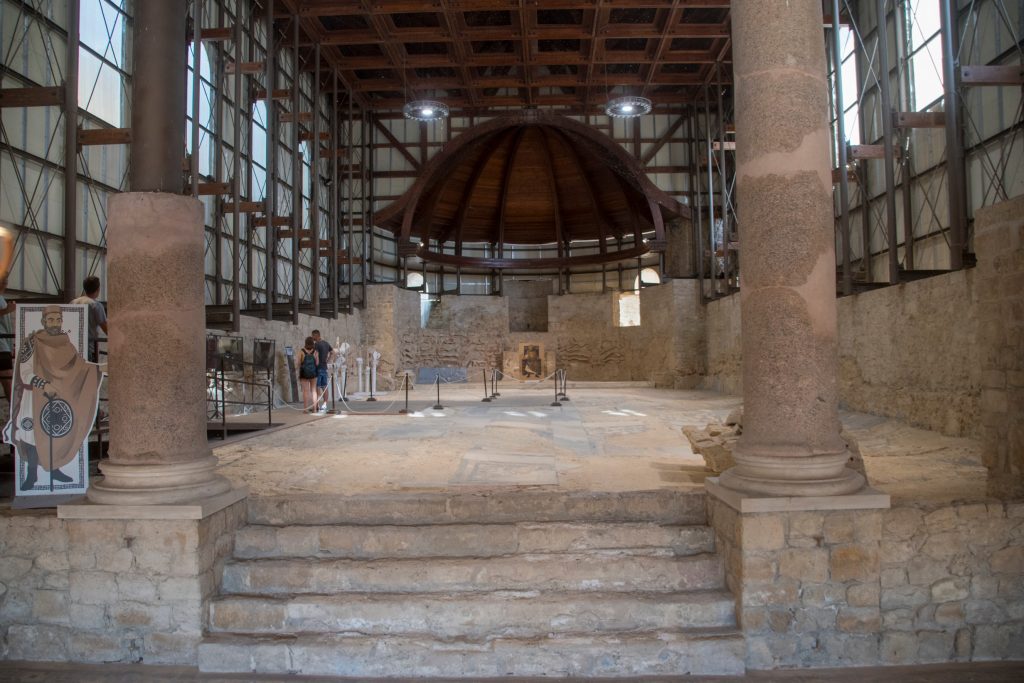
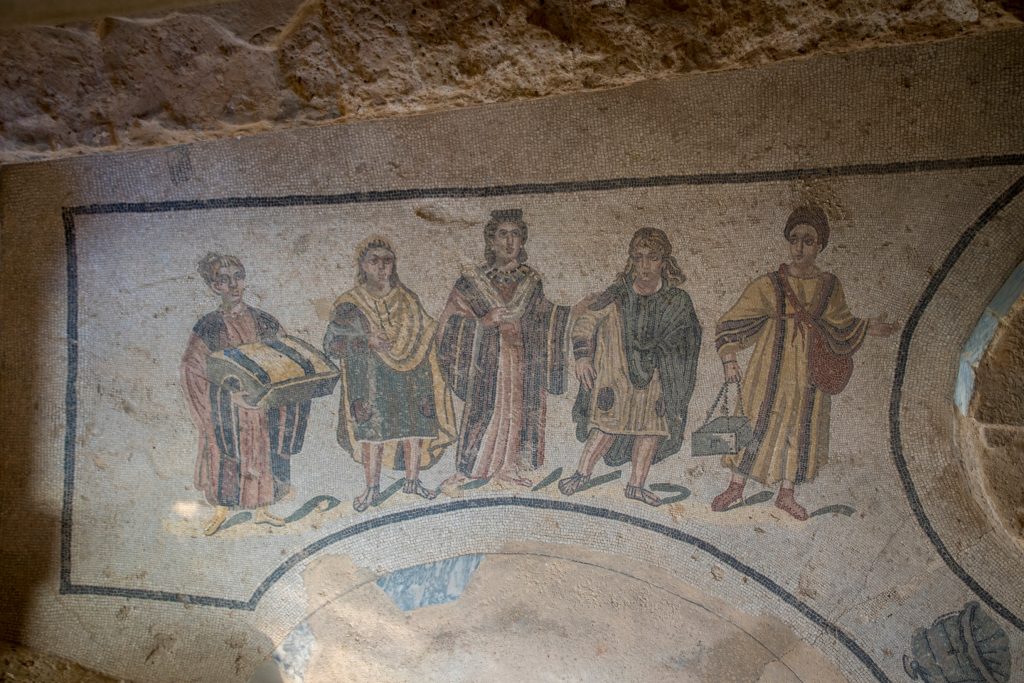
We continued to Piazza Armerina, an 11th-century town featuring a majestic hilltop cathedral and Aragonese castle. The undisputed highlight here is the Villa Romana del Casale, a UNESCO World Heritage site boasting some of the best-preserved and most breathtaking Roman floor mosaics in the world (including the famous “Bikini Girls” mosaic).
Agrigento: The Valley of the Temples
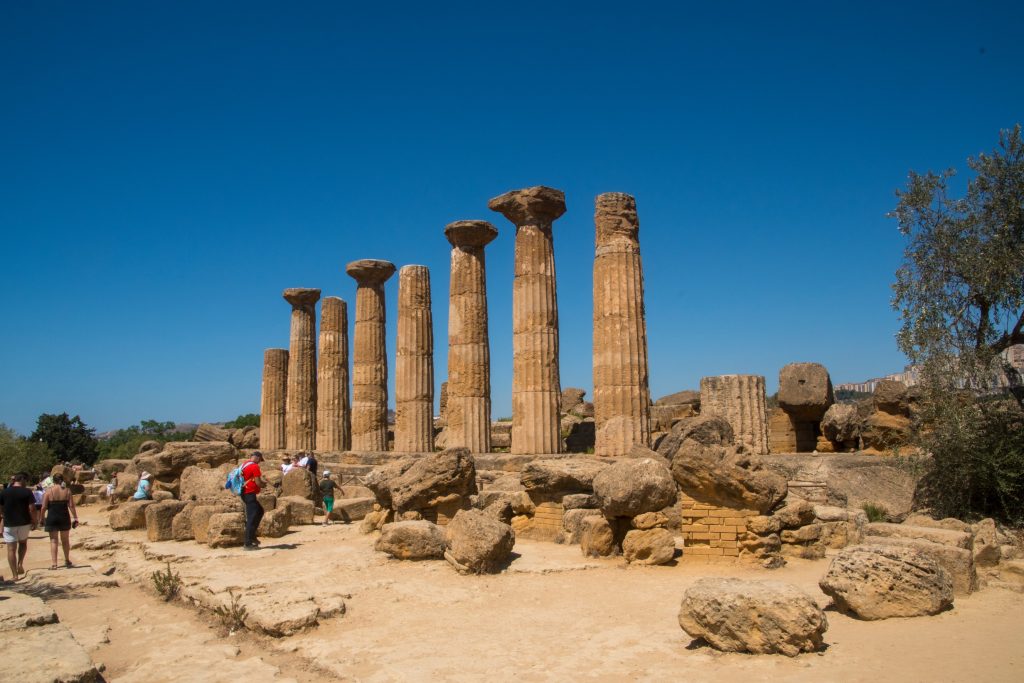
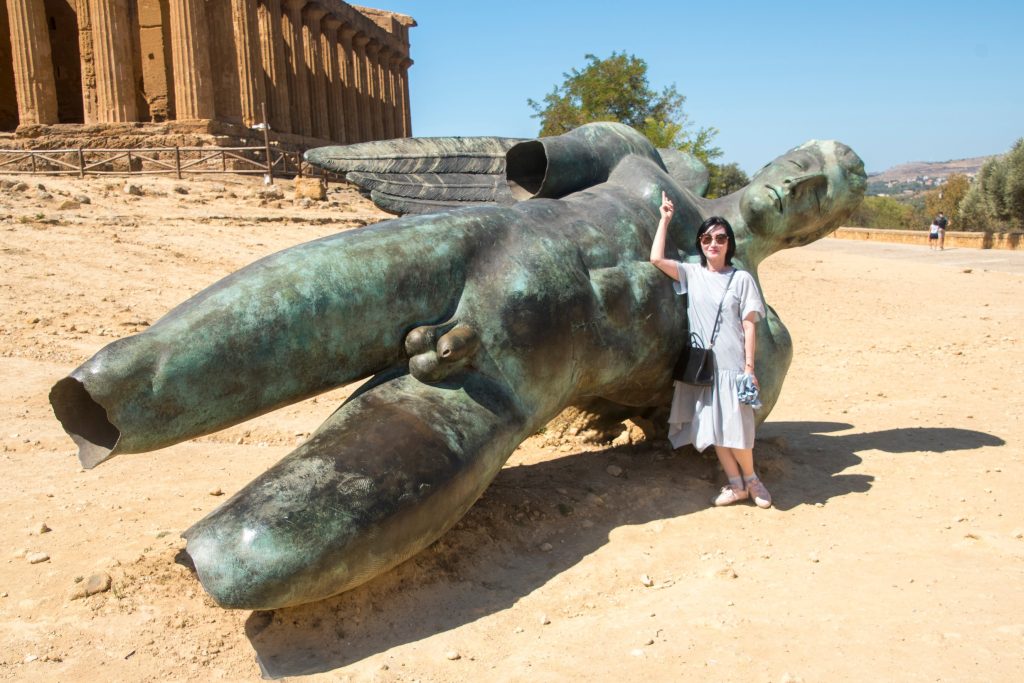
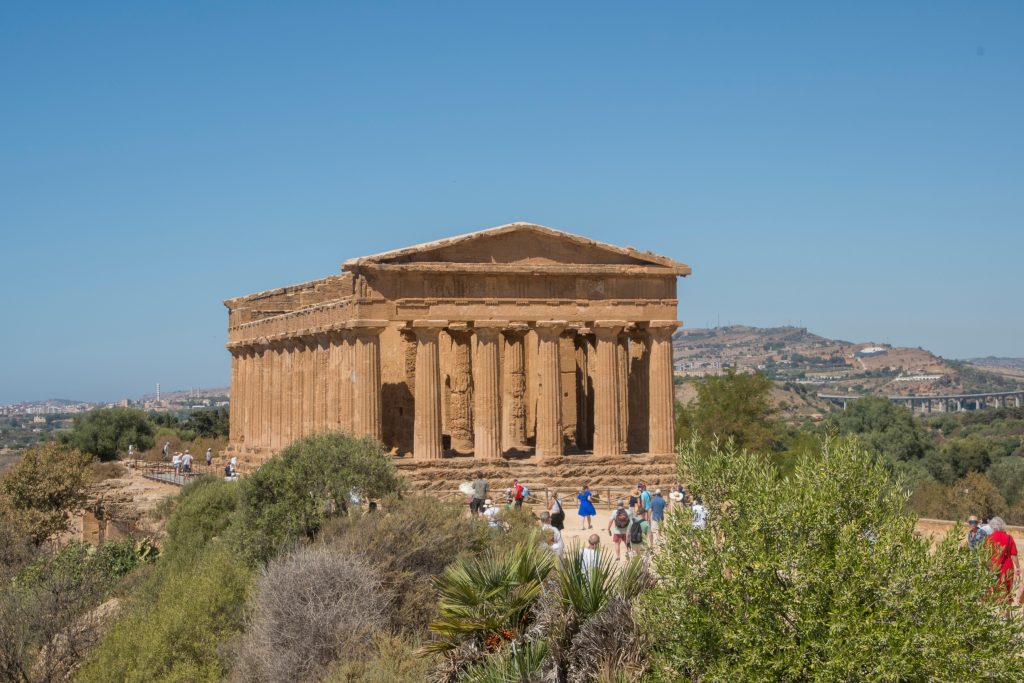
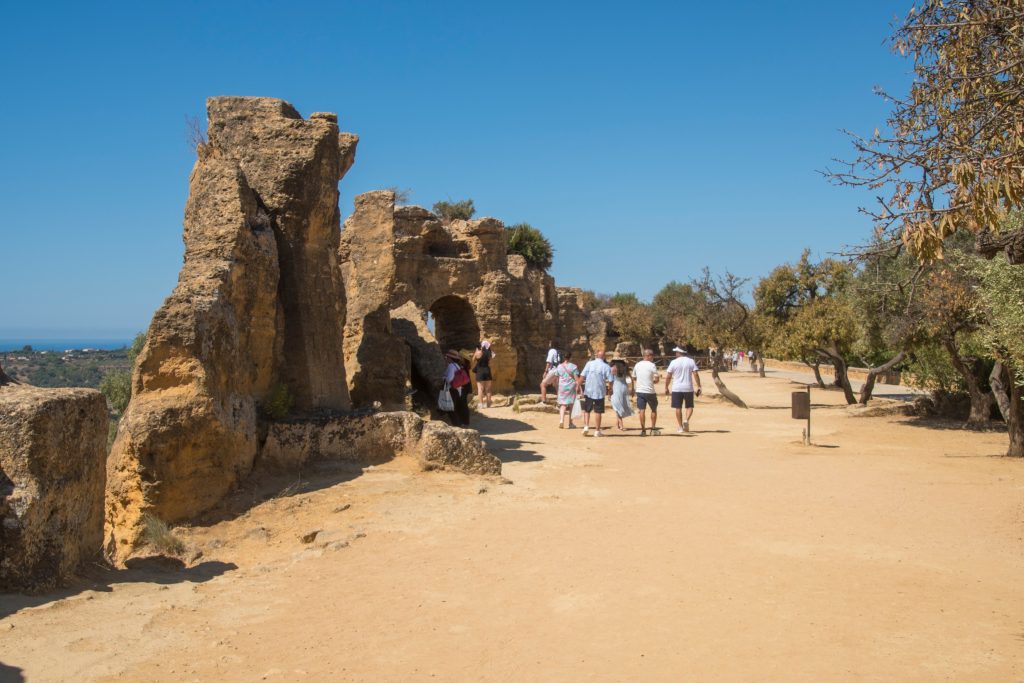
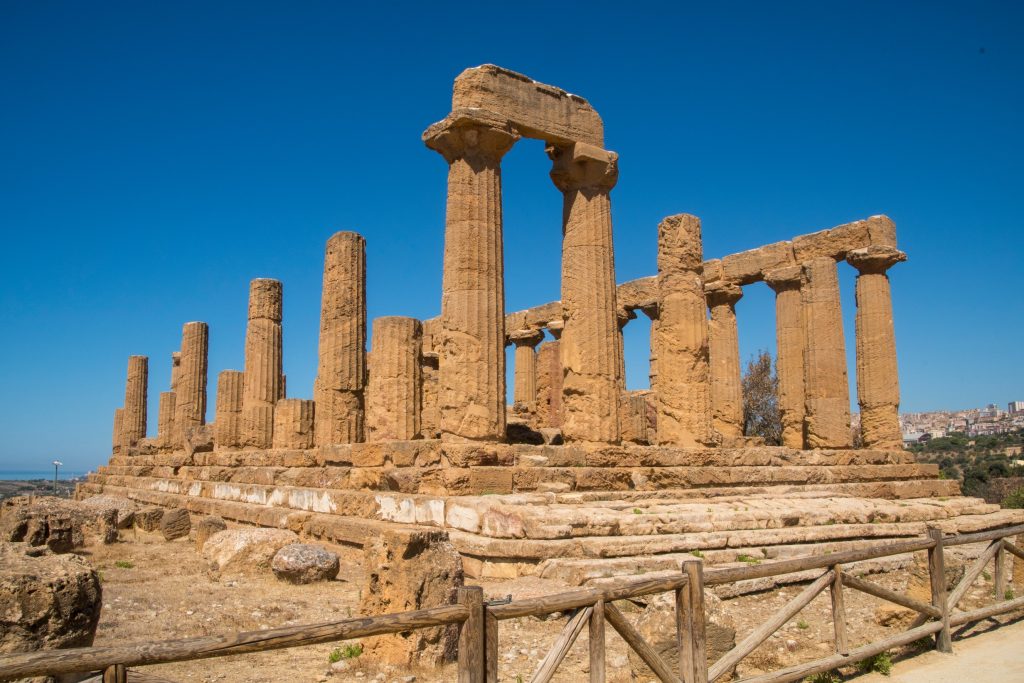
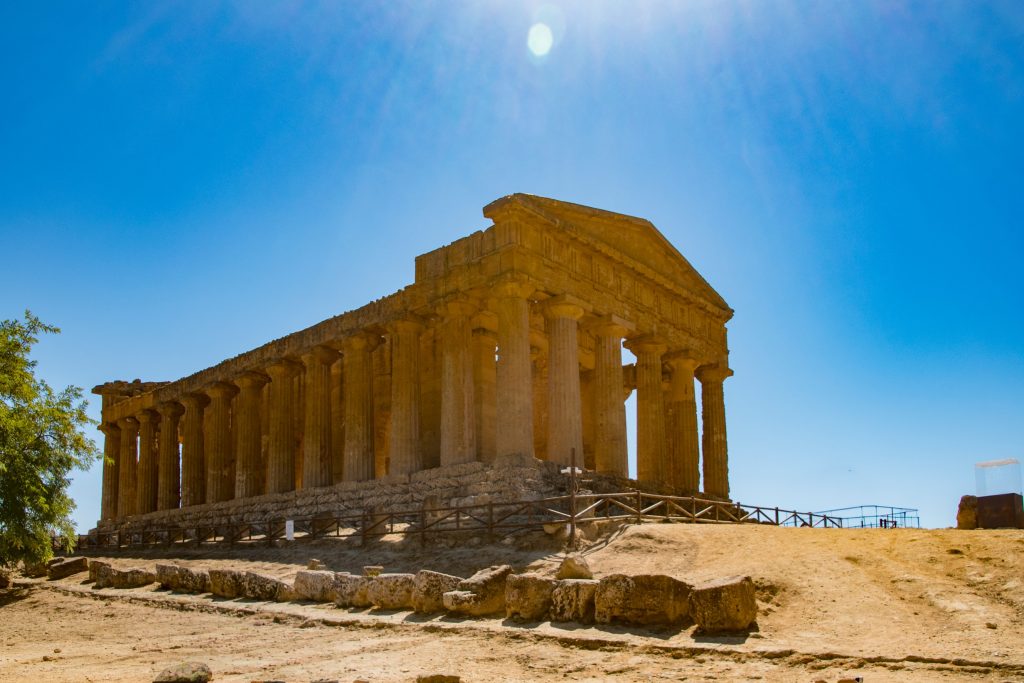
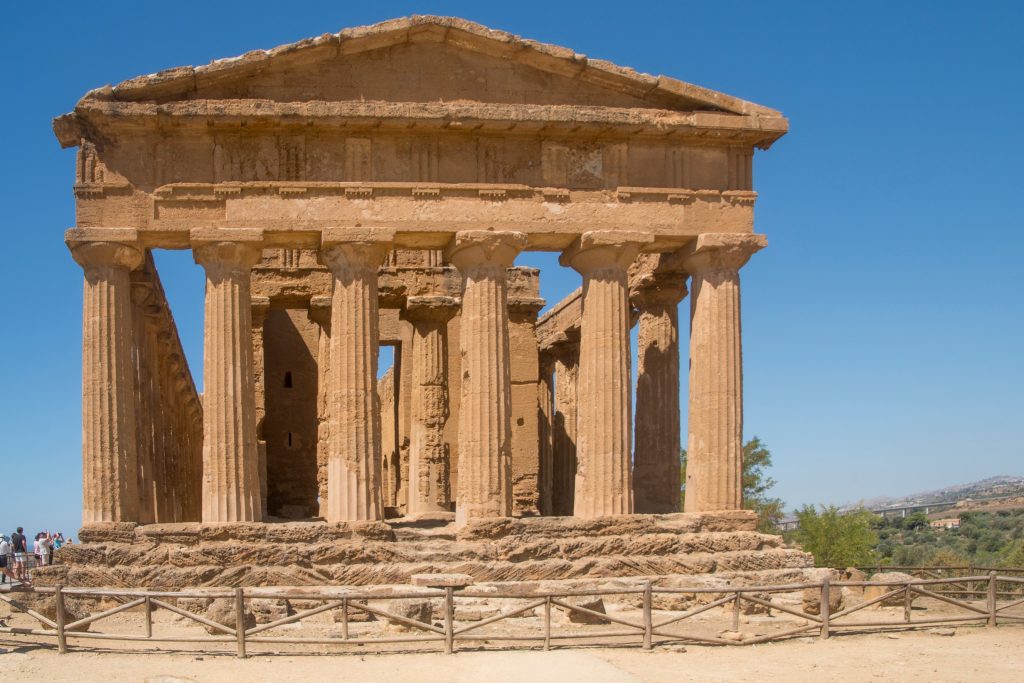
We spent the night at a charming B&B in Agrigento, where the hospitable owner reserved a parking spot right outside for us. Founded in the 6th century BC, Agrigento is world-famous for the Valley of the Temples (Valle dei Templi), an extraordinary archaeological park containing exceptionally preserved 5th-century BC Greek temples.
Nearby, we admired the Scala dei Turchi—a striking, snow-white limestone cliff cascading into the turquoise sea—before heading north toward Palermo.
Palermo: A Feast for the Senses
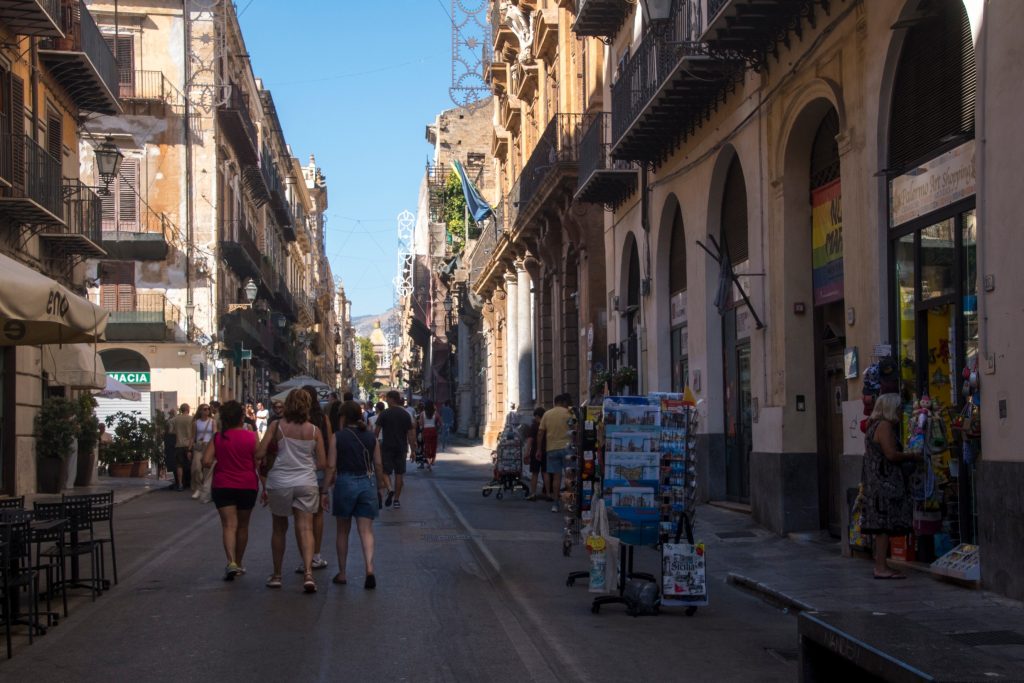
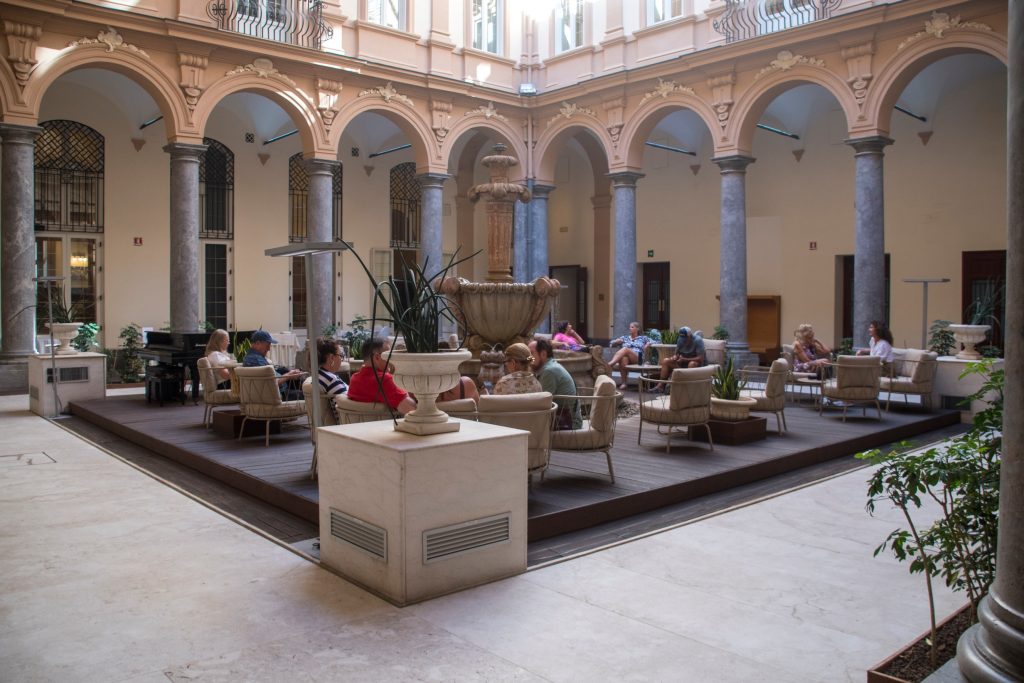
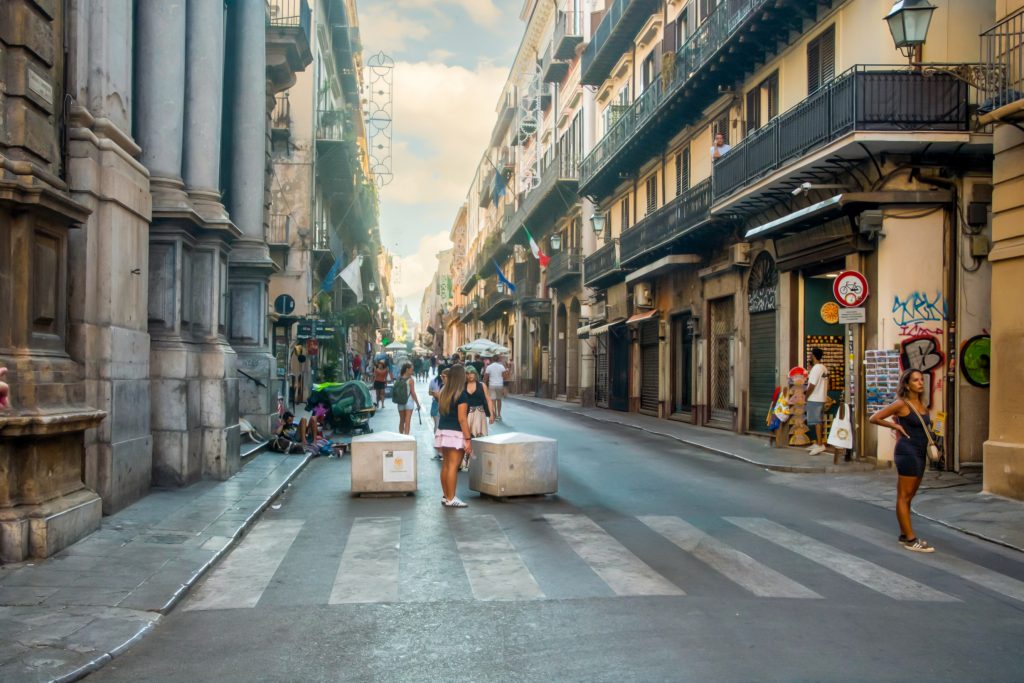
We arrived in Palermo, Sicily’s vibrant capital. Navigating the narrow alleys of the historic district to reach our hotel was quite an adventure. Upon arrival, the hotel took care of valet parking and arranged the necessary traffic permits (ZTL) for driving within the ancient city zone.
Palermo is a feast for the senses:
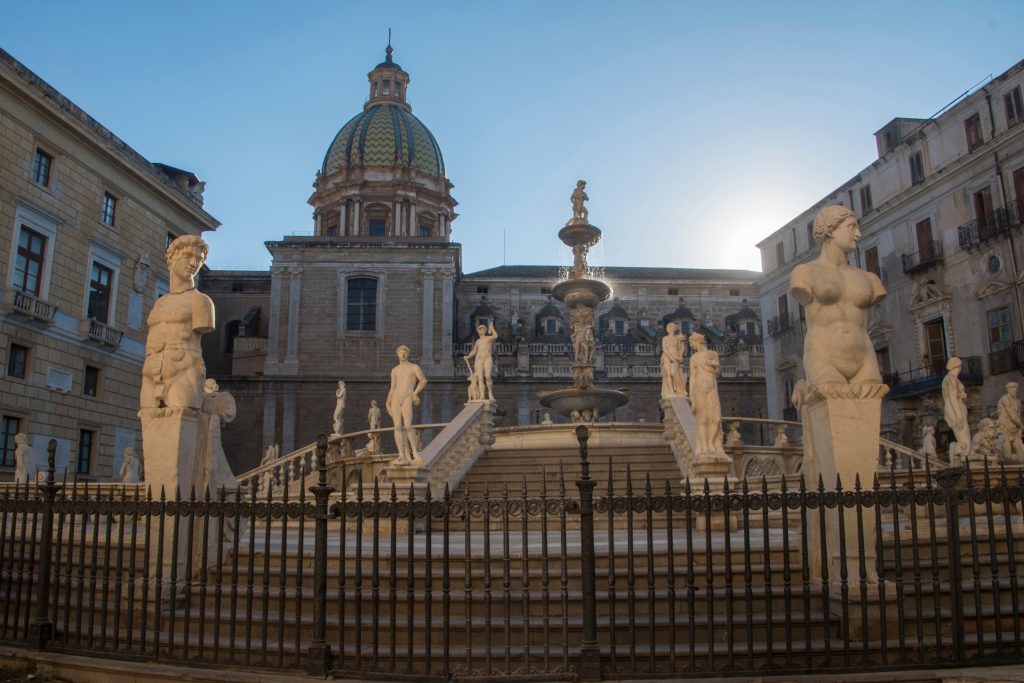
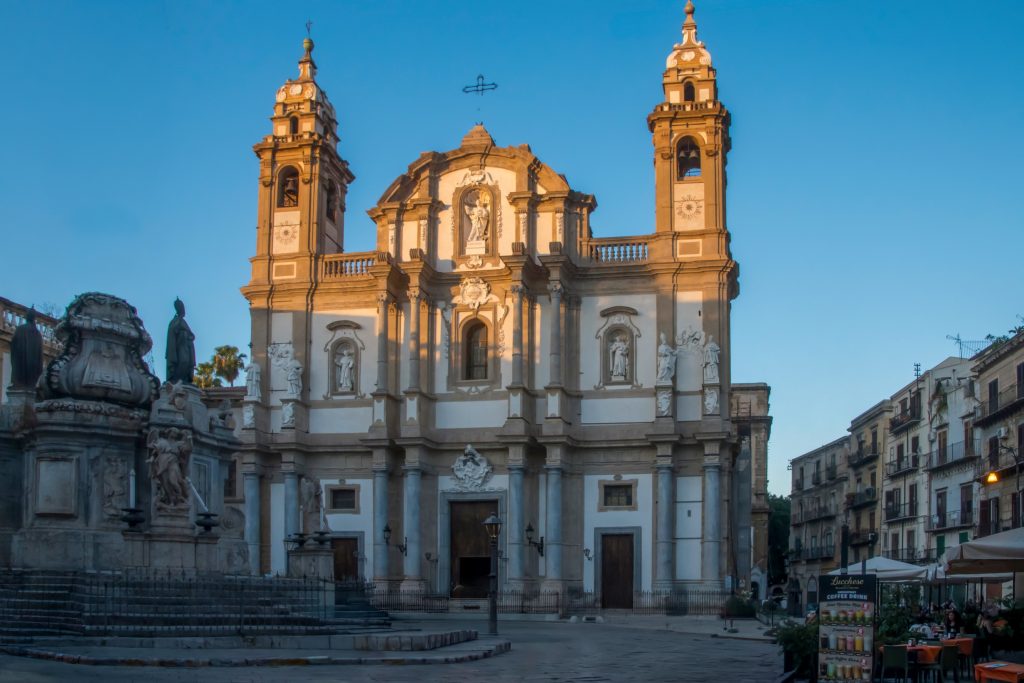
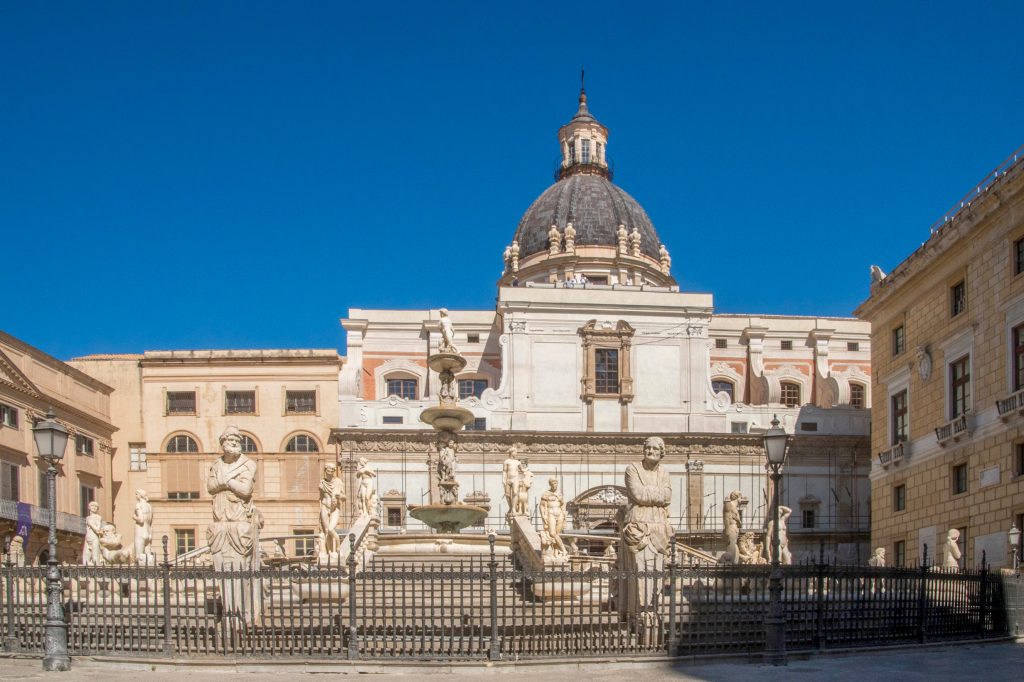
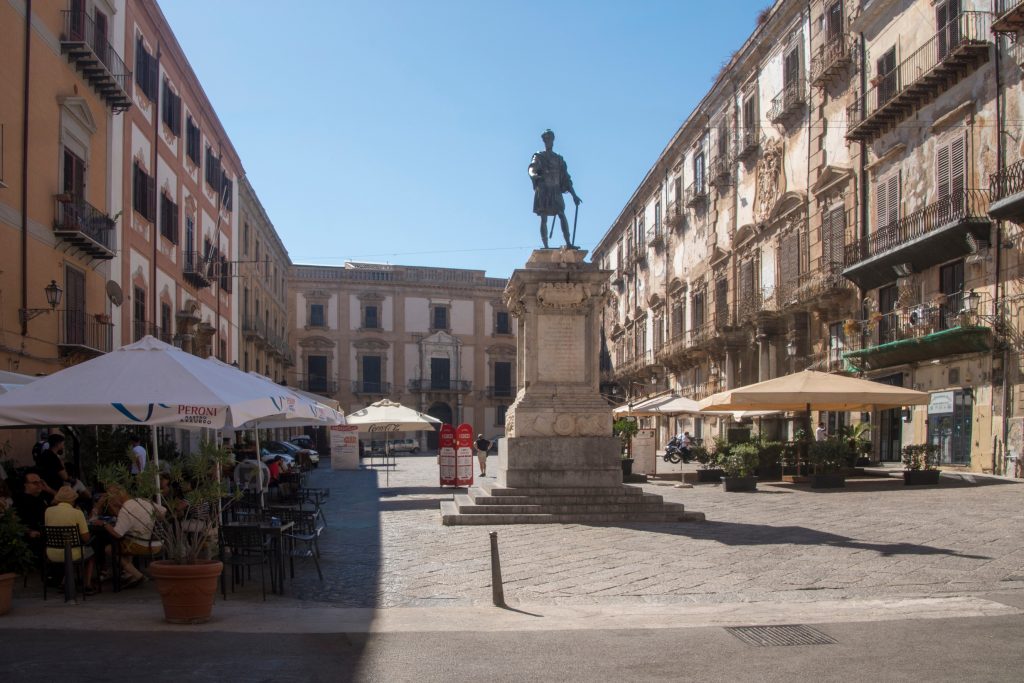
Piazza Pretoria: A breathtaking square in the heart of the historic center, centered around the iconic “Fountain of Shame” (Fontana della Vergogna)—a majestic, multi-tiered marble fountain adorned with a rich array of figures from Greek mythology.
Markets & Street Food: The vibrant La Vucciria market serves up an authentic Sicilian street-food experience. Be sure to try Panelle (golden chickpea fritters), Sfincione (rich, thick-crust Palermitan pizza), and for the adventurous traveler, the classic Pane con la Milza (a traditional spleen sandwich).
A Sweet Gem: I Segreti del Chiostro—a hidden patisserie tucked inside the serene courtyard of the Santa Caterina Monastery. Here, traditional cannoli and cassata are handcrafted following secret recipes passed down by the nuns. The cannoli here are truly among the finest on the island!
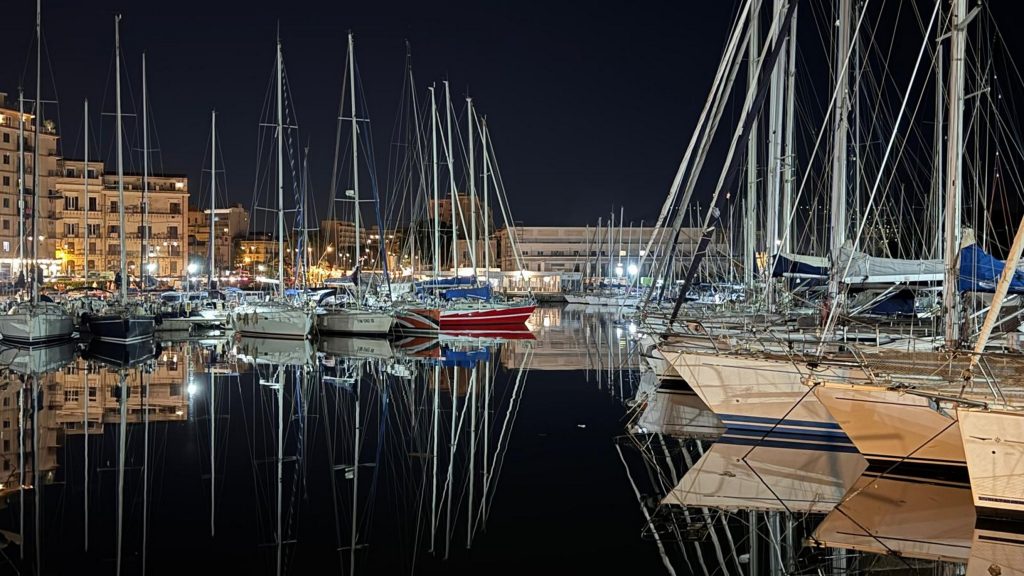
La Cala: A picturesque old harbor—the perfect spot to relax with a sunset aperitivo.
The next day, continue exploring Palermo’s iconic landmarks:
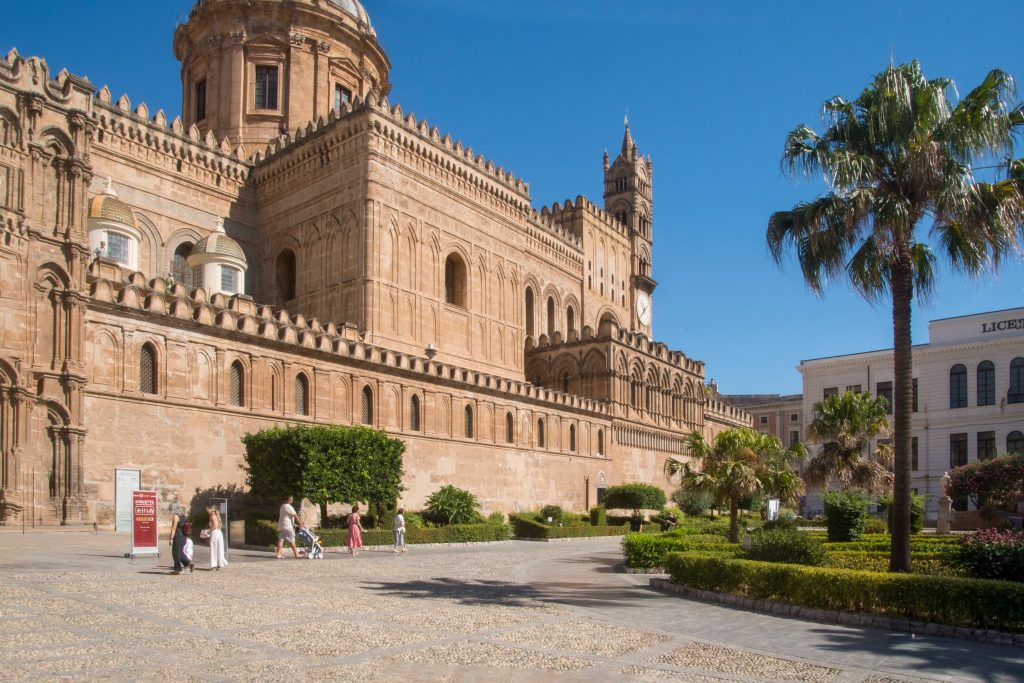
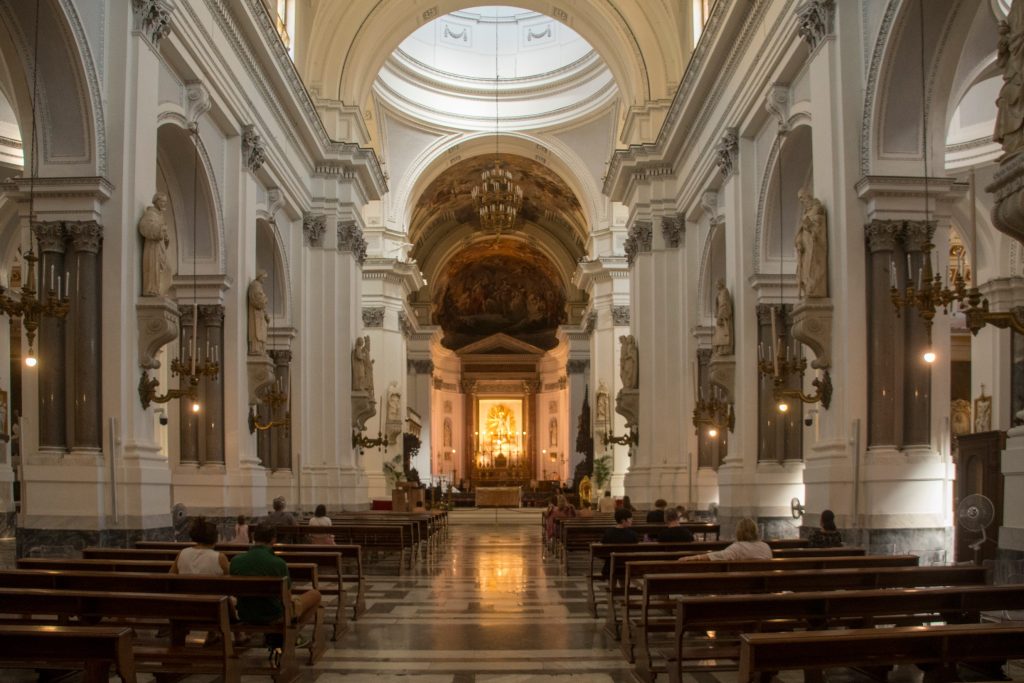
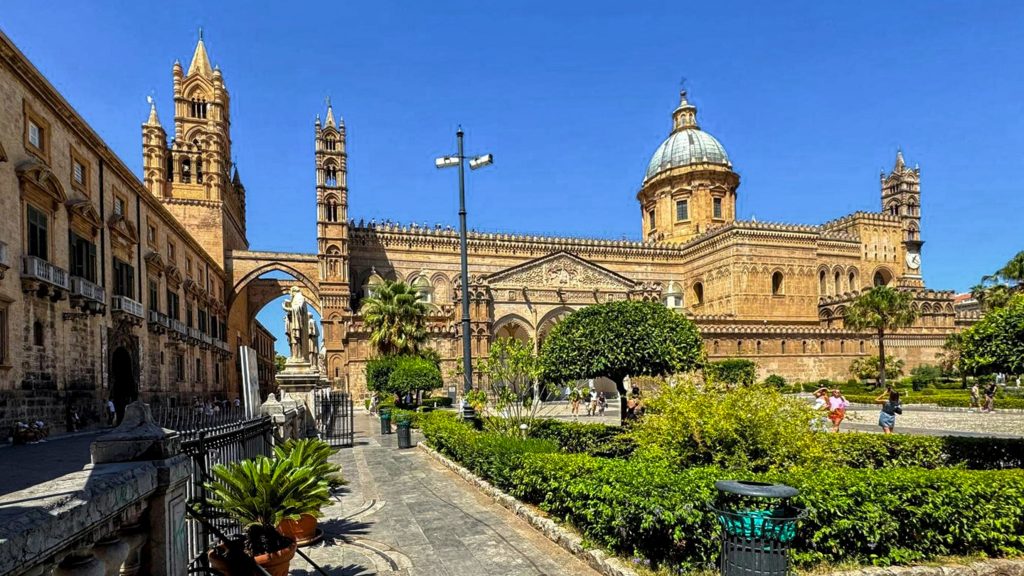
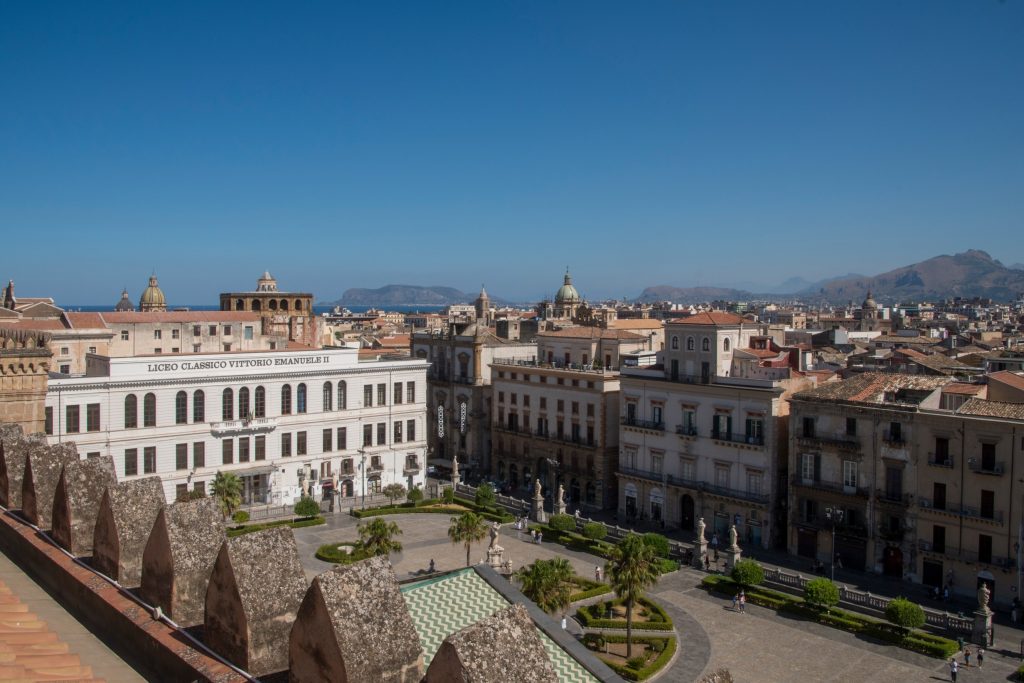
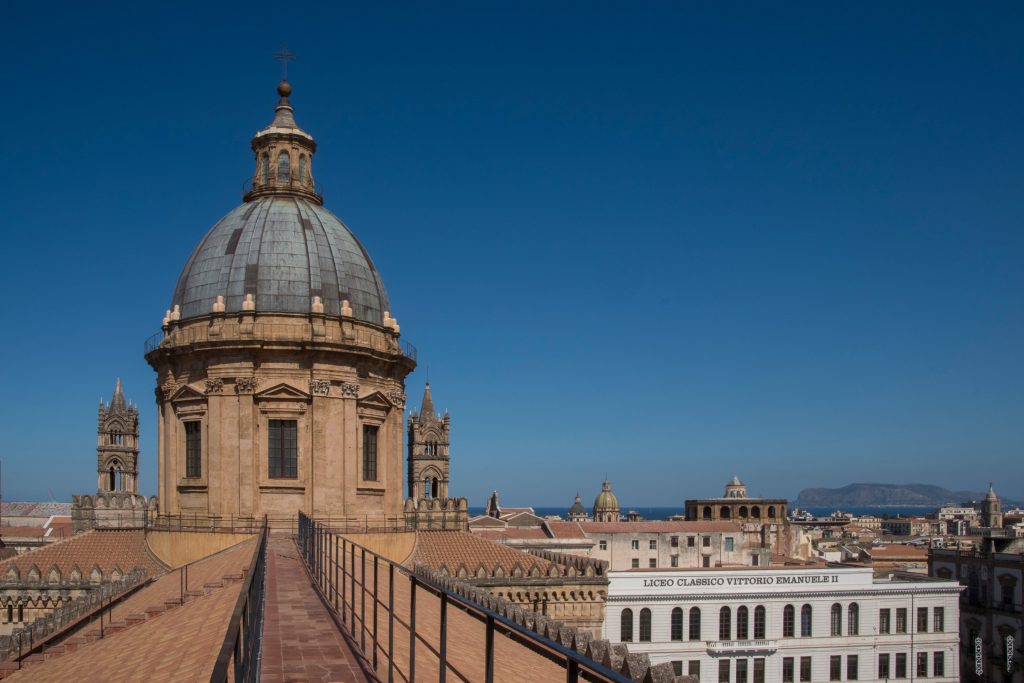
Palermo Cathedral (Cattedrale di Palermo): A grand architectural masterpiece blending Gothic, Norman, Baroque, and Neoclassical styles. Climb up to the rooftop for breathtaking, sweeping views across the city.
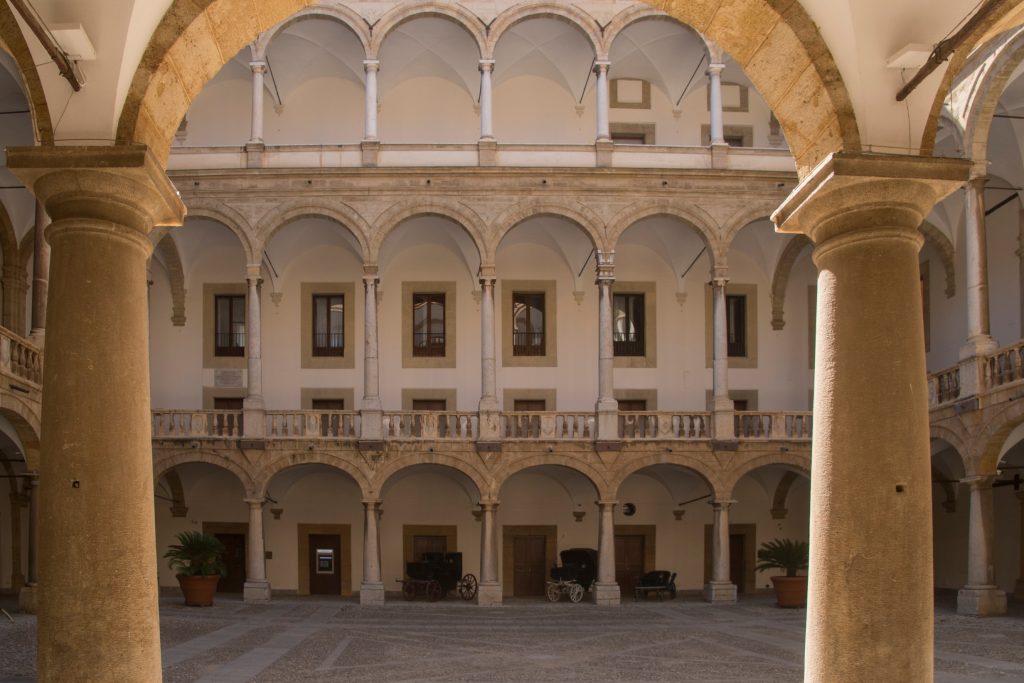
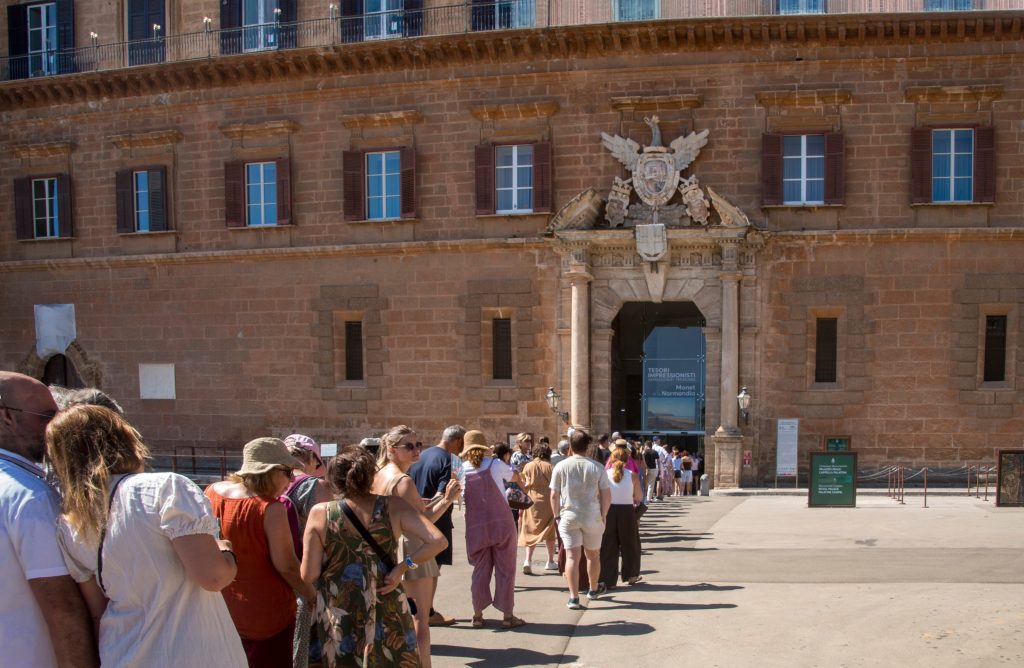
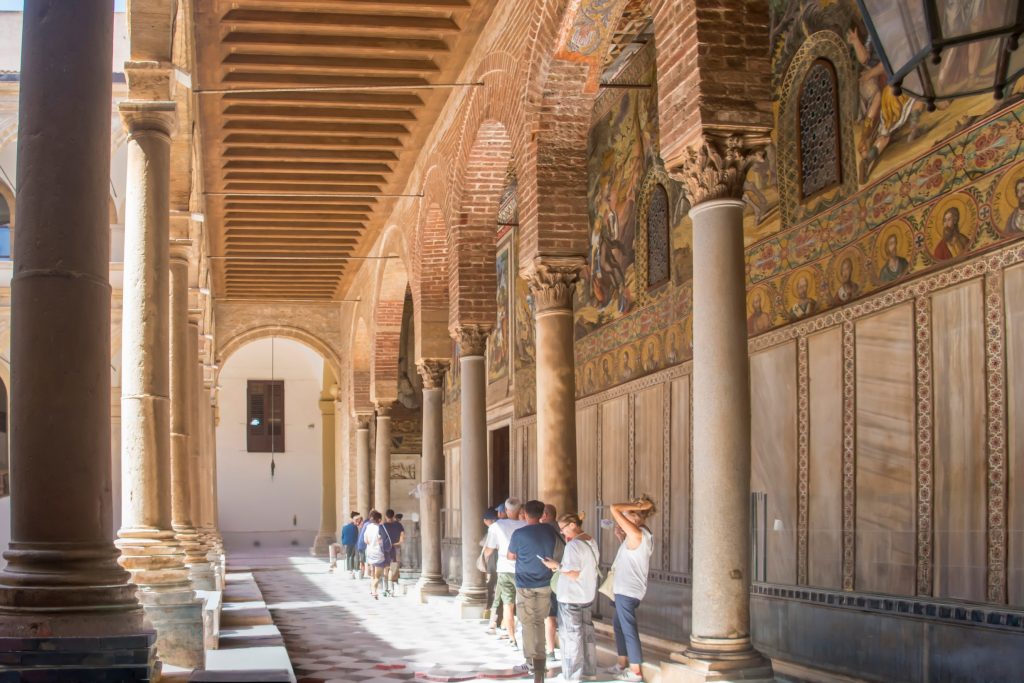
The Royal Palace & Palatine Chapel (Palazzo dei Normanni & Cappella Palatina): A true crown jewel of Sicily, renowned for housing some of the most exquisite golden Byzantine mosaics in the world.
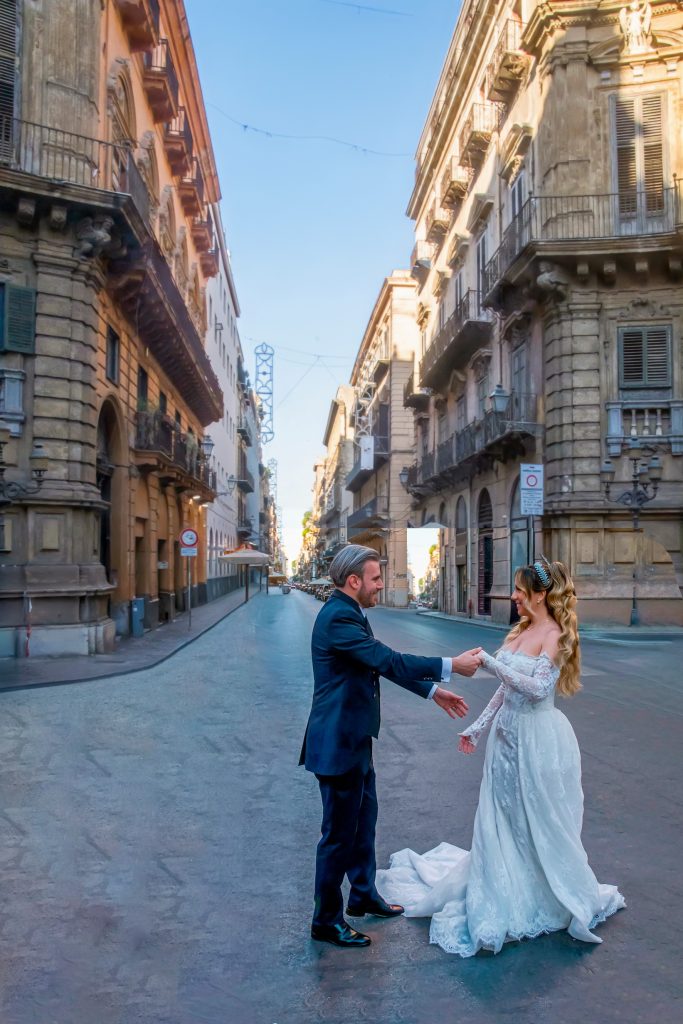
Quattro Canti: A dazzling Baroque square at the city’s heart, lined with four sculpted facades representing the four seasons, Spanish kings, and patron saints of Palermo.
Mercato del Capo: A lively, sensory street food market bursting with colors and aromas, where you can sample freshly fried arancini, panelle, and sfincione.
Chiesa della Martorana & San Cataldo: Remarkable Arab-Norman churches showcasing magnificent medieval craftsmanship and striking Byzantine mosaics.
Where to Eat & Drink in Palermo
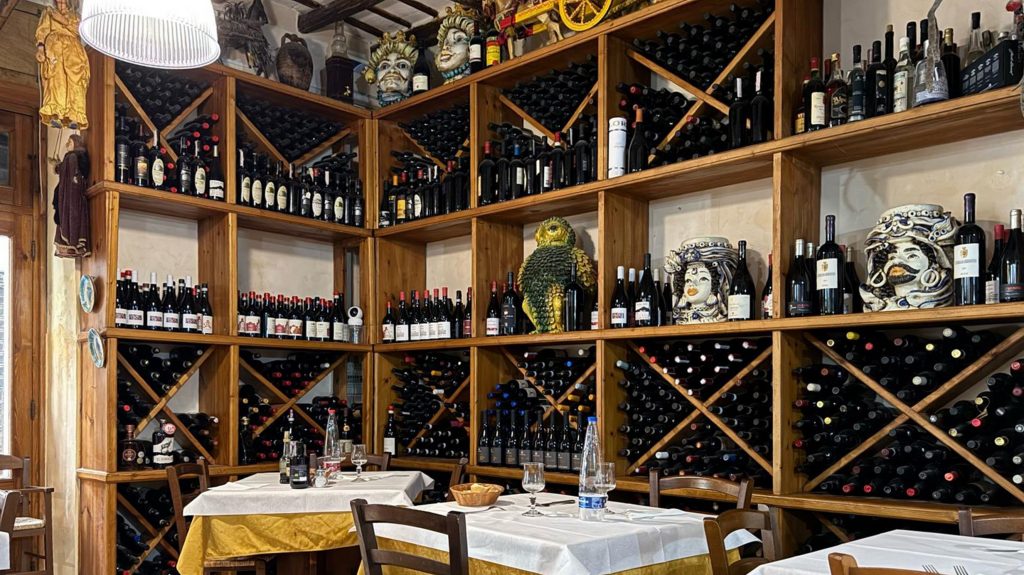
Authentic Dining: Experience a classic central-Palermo osteria for fresh daily catches and traditional pasta con le sarde (pasta with sardines, wild fennel, pine nuts, and raisins).
Local Street Food Highlights:
Sfincione: Thick, airy Palermitan-style pizza topped with rich tomato sauce, onions, and anchovies.
Pane con la Milza & Stigghiola: For the adventurous food lover—sample the legendary spleen sandwich or freshly grilled, seasoned calf intestines (stigghiola).
kePalle – Arancine d’Autore: A famous street food spot on Via Maqueda, celebrated for its creative twist on arancini with diverse fillings (including vegetarian and vegan options).
Antica Focacceria San Francesco: A historic culinary institution operating since 1834 (Via Alessandro Paternostro), perfect for stopping by to enjoy traditional street bites on the go.
Coffee & Aperitivo:
- Vespa Café: A stylish, vibrant bar on Via Orologio—an ideal setting for an afternoon spritz or evening aperitivo accompanied by generous sharing platters.
- Bakeries & Pastries:
- I Segreti del Chiostro: A hidden oasis inside the quiet courtyard of the Santa Caterina Monastery, crafting authentic Sicilian pastries (including cannoli and cassata) according to secret recipes handed down by nuns. Open daily (10:00 AM–6:00 PM in summer); their cannoli are widely considered among the absolute best in Palermo.
- Pasticceria Costa: One of the city’s most revered pastry shops. The central branch near Quattro Canti (Via Maqueda 174) is easily accessible on foot while exploring the historic center (note: the original branch on Via G. D’Annunzio is closed on Mondays).

The Salt Road, Trapani & Erice
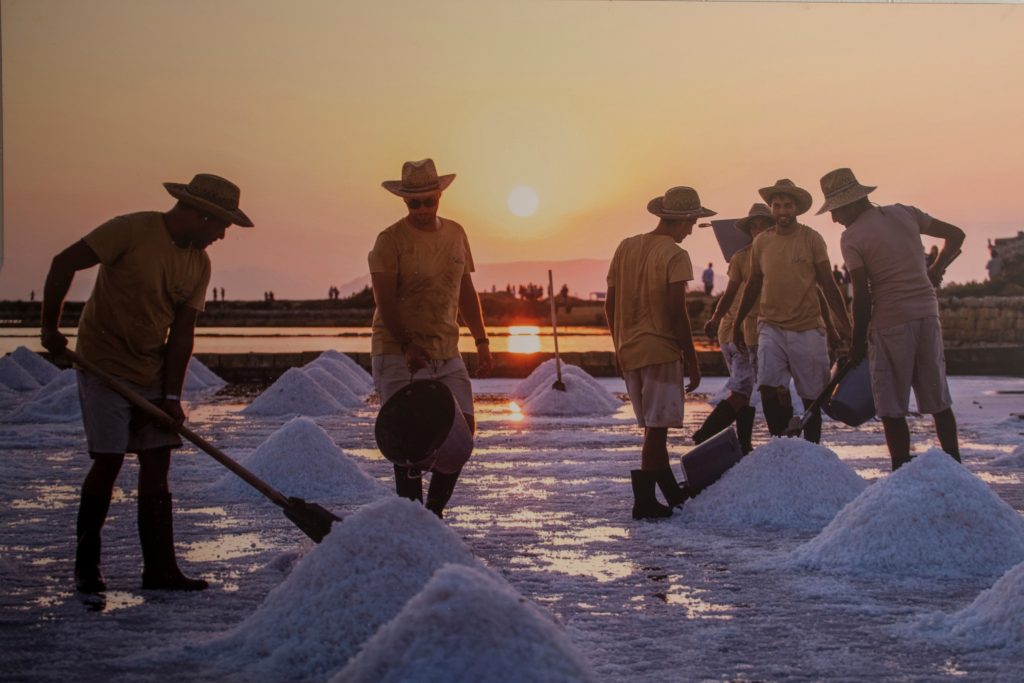
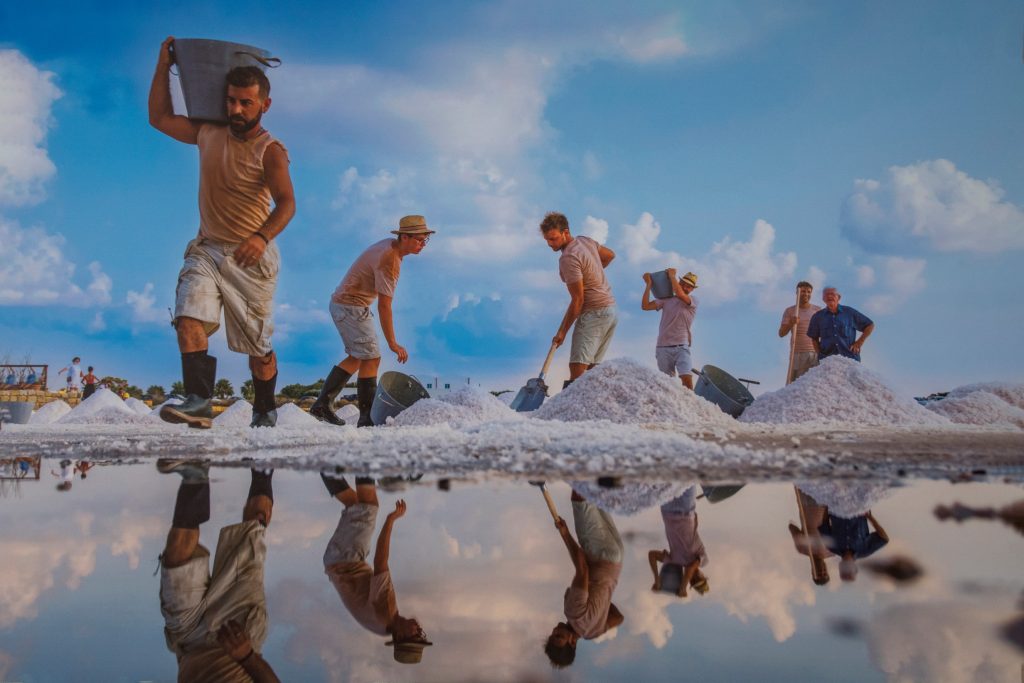
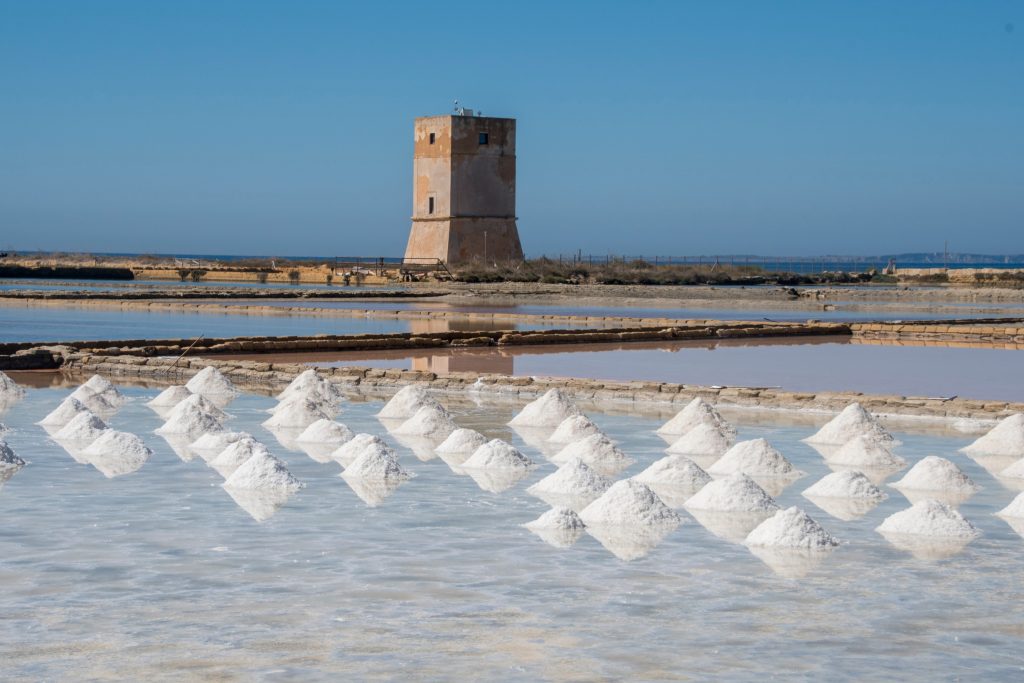
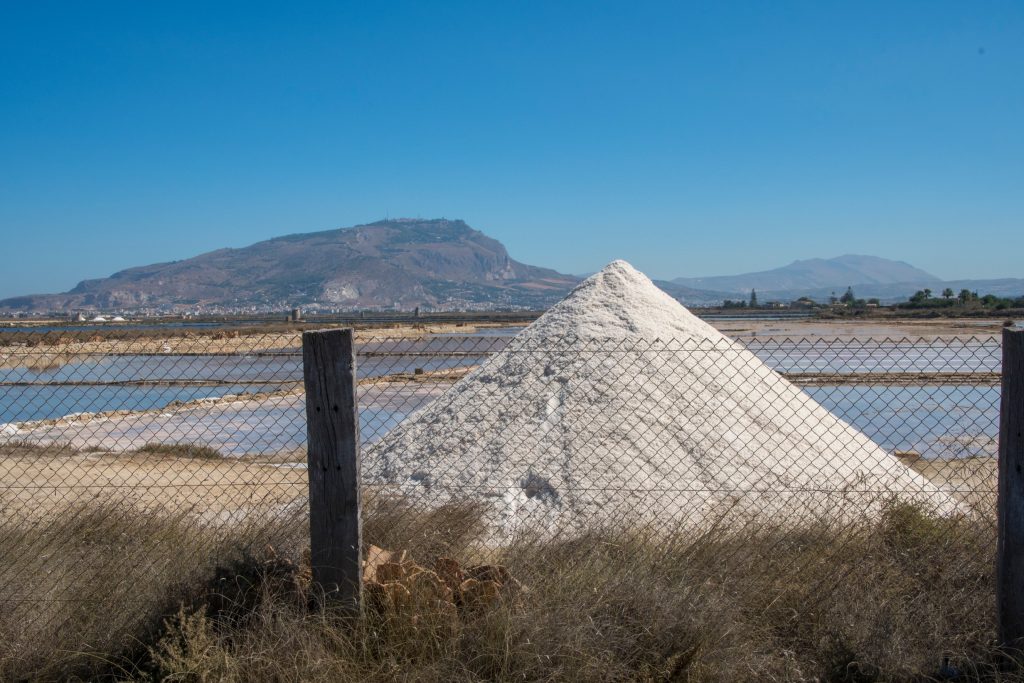
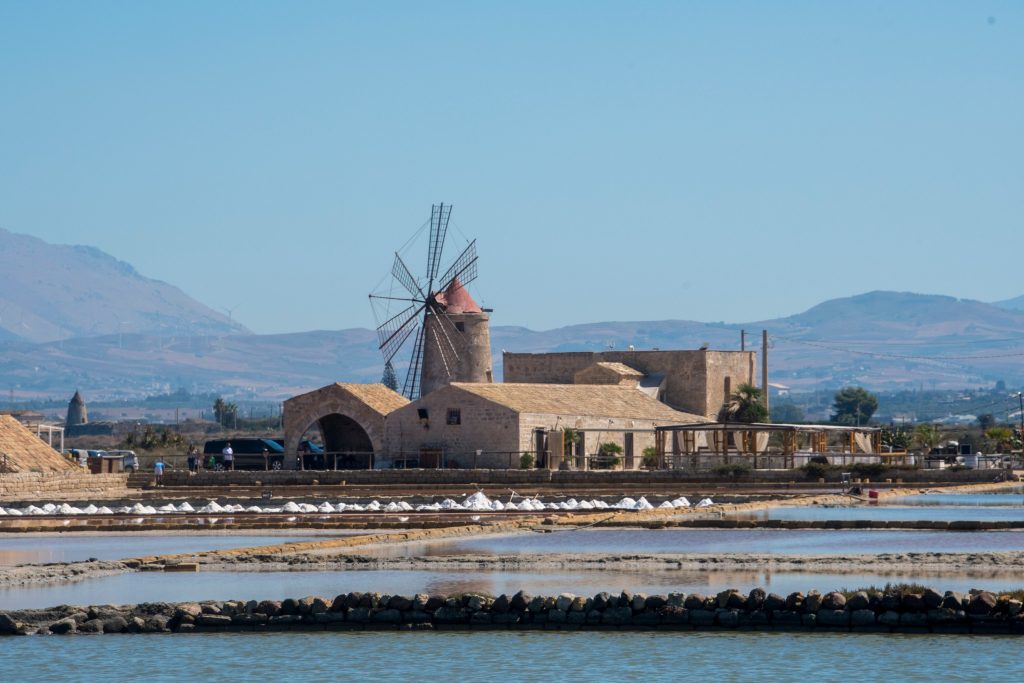
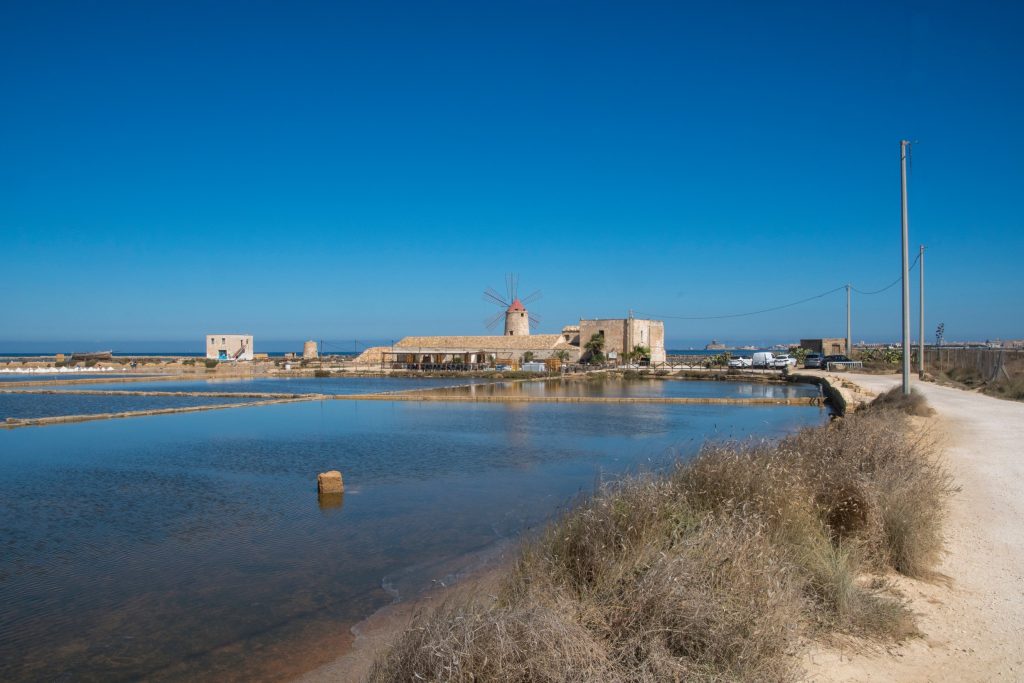
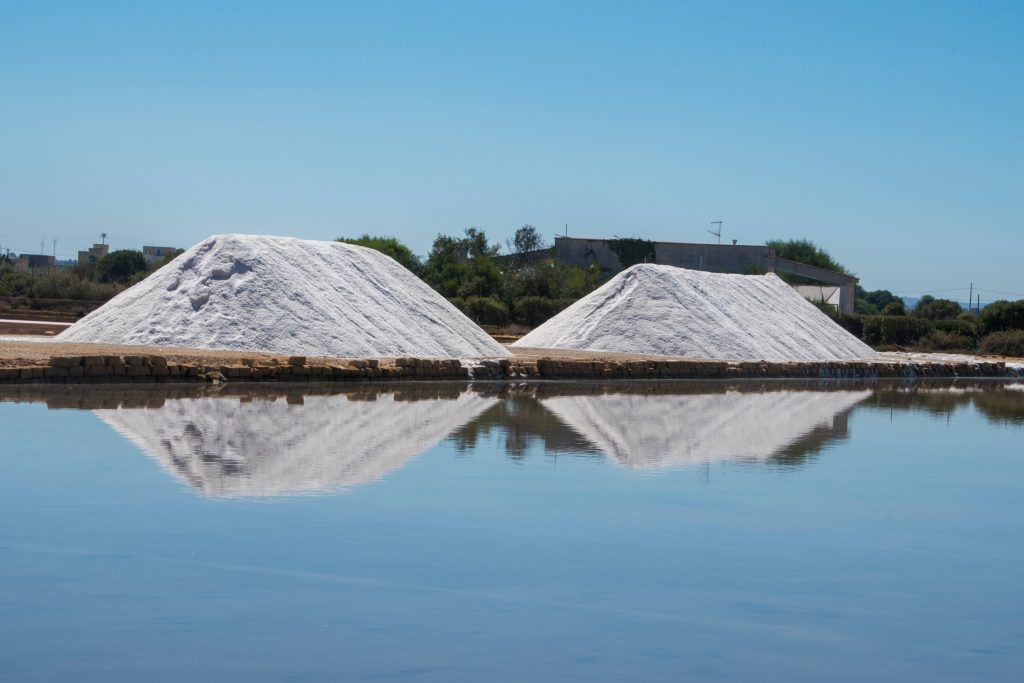
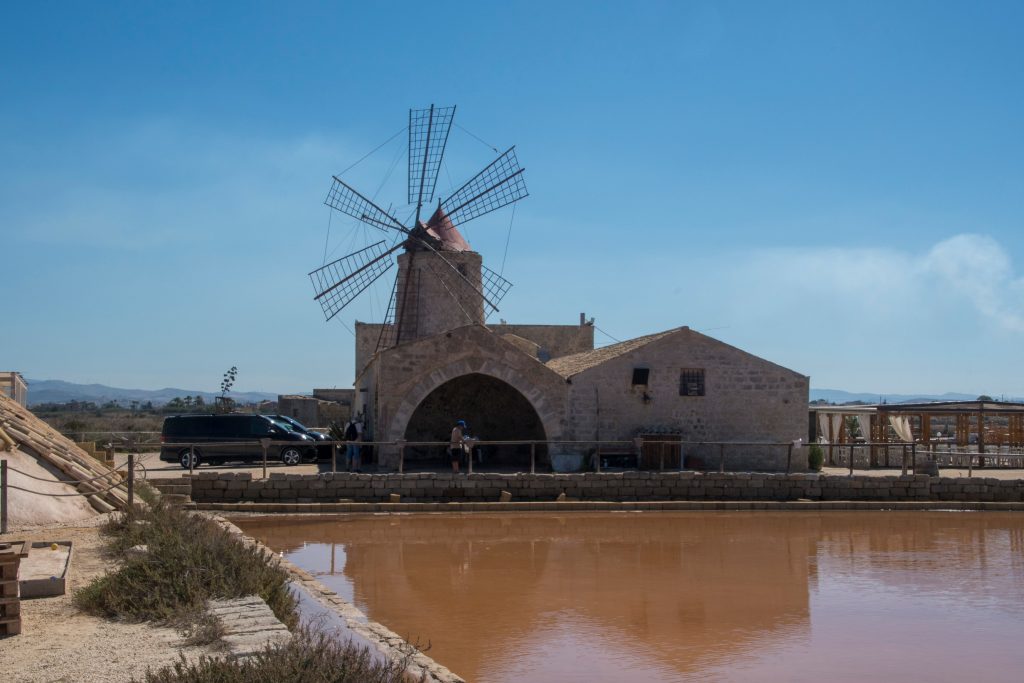
We then drove along the picturesque Salt Road toward Nubia and Marsala. The historic salt pans, windmills, and tiled salt heaps reflect a tradition dating back to the Phoenicians. At the Salt Museum in Nubia, housed within a restored windmill, you can learn all about this ancient craft.
What to See in Nubia
Museo del Sale (The Salt Museum): Located inside a restored windmill along the historic Salt Route (Via del Sale), this fascinating museum is the highlight of the area. It offers an engaging look into the traditional salt-making process, showcasing historic tools, machinery, and the rich cultural heritage of Sicilian salt production.
The Icon of the Salt Pans: The windmill at Nubia is one of the most picturesque and photographed landmarks along the coastline, perfectly capturing the classic landscape of western Sicily.
Historic Windmills: First constructed during the Middle Ages, these iconic windmills were designed to pump seawater through sluice gates across the various salt basins. Amazingly, one or two remain fully operational today.
Terracotta-Covered Salt Pyramids: Between the road and the shimmering salt pans, you’ll see large mounds of harvested white salt carefully capped with traditional red terracotta tiles to protect them from rain while awaiting transport.
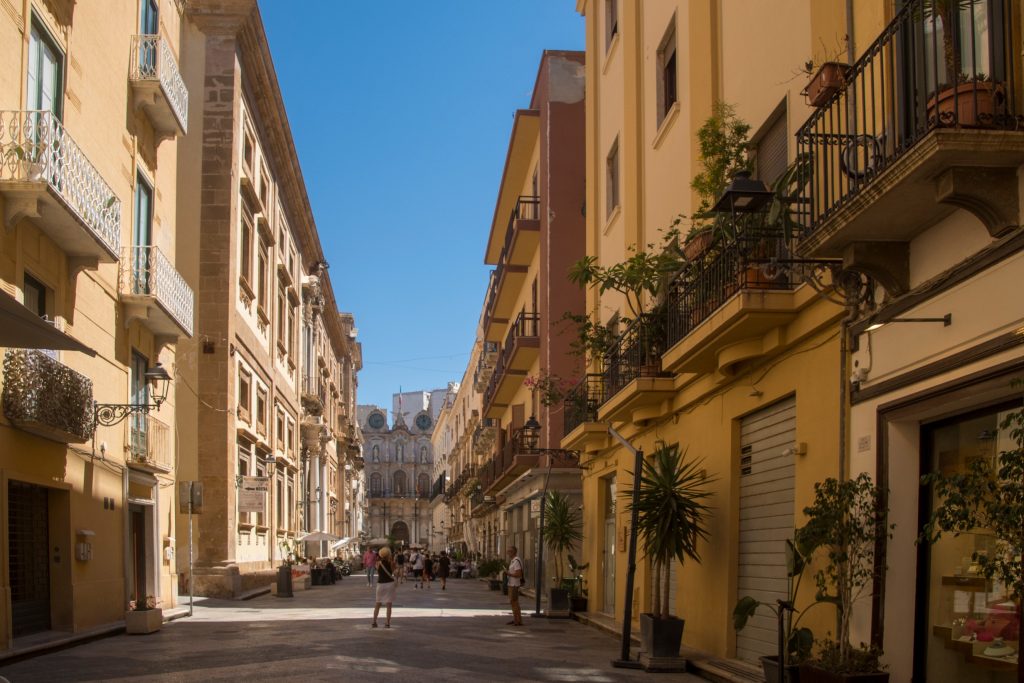
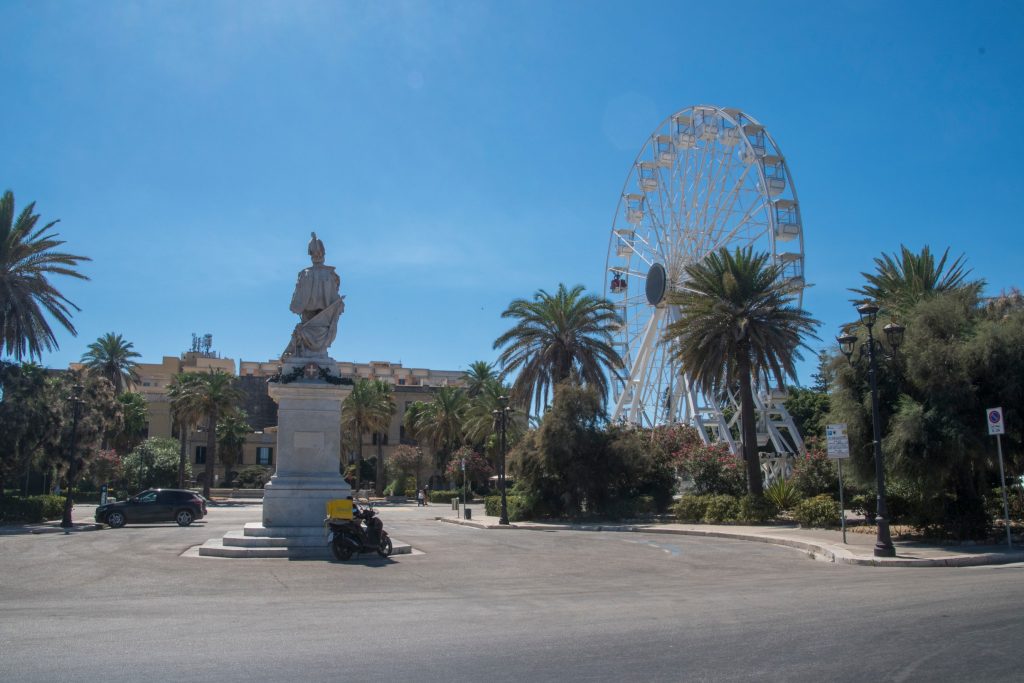
In Trapani, we explored Baroque streets, strolled along the seaside promenade at sunset, and savored the local specialty: Fish Couscous (Cuscusù).
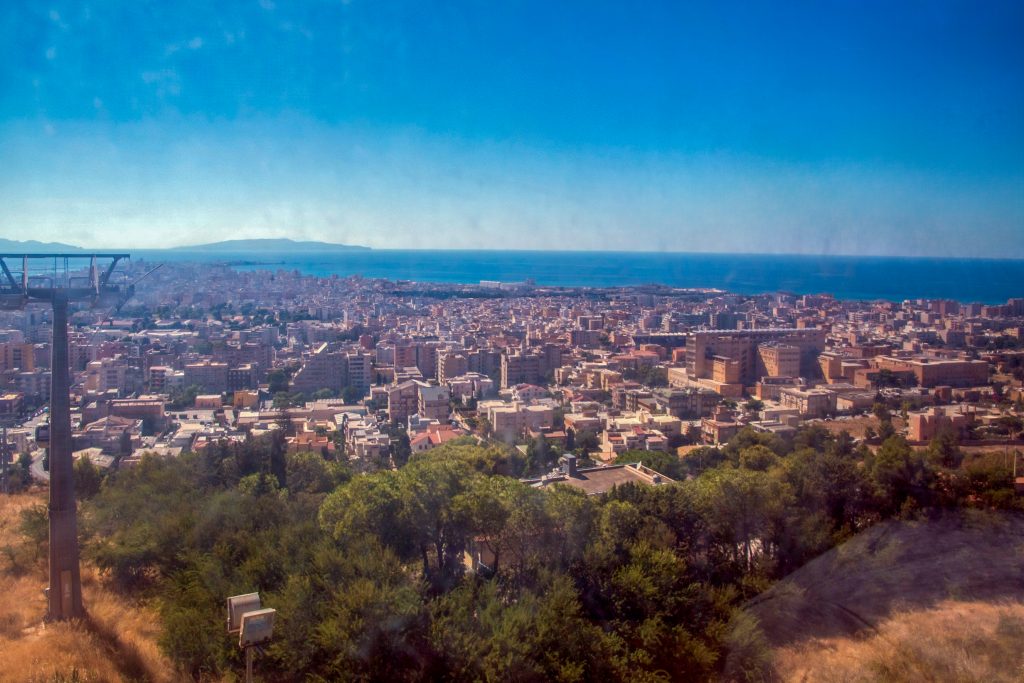
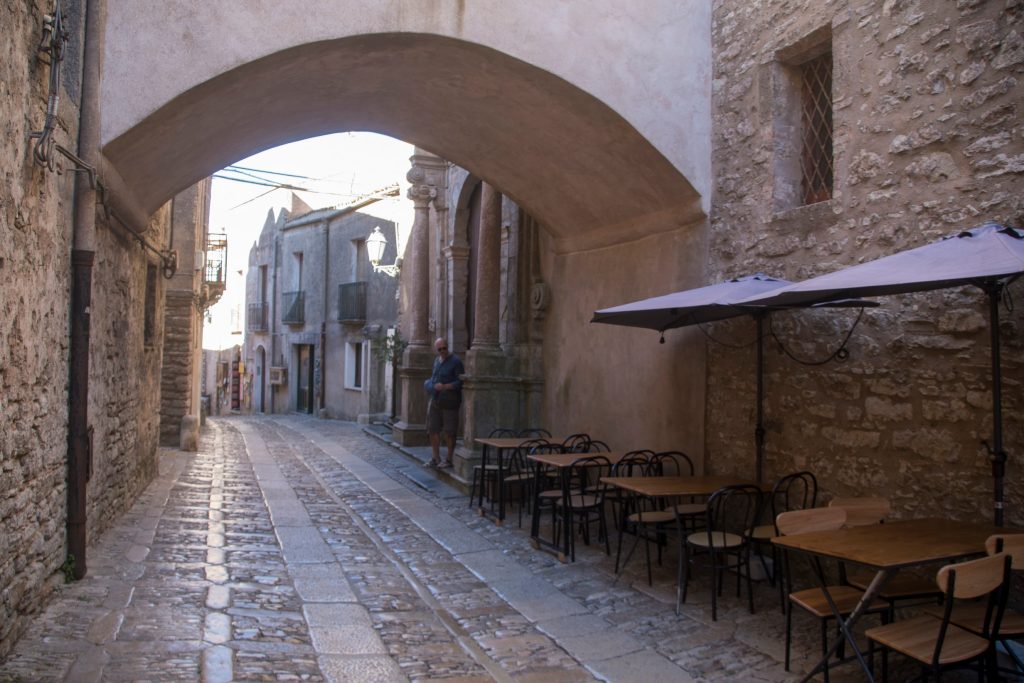
From Trapani, a cable car ride swept us up to Erice, a fairytale medieval town perched on a cliff 750 meters above sea level. We wandered its cobblestone lanes, visited the Castle of Venus, and indulged in warm, cream-filled Genovesi pastries at the famous Pasticceria Maria Grammatico.
Erice
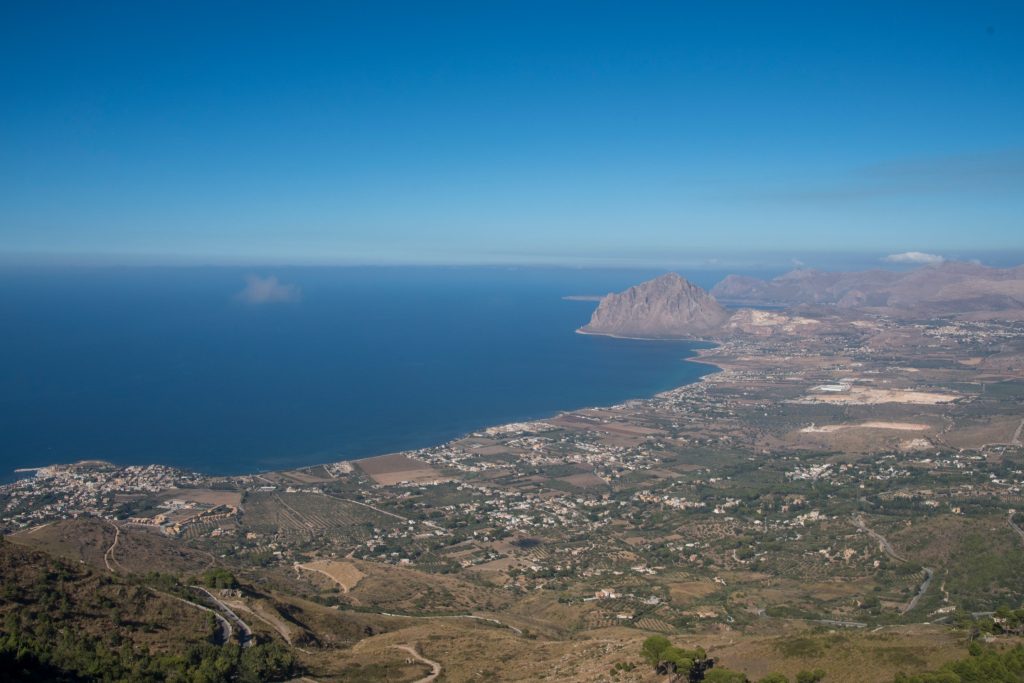
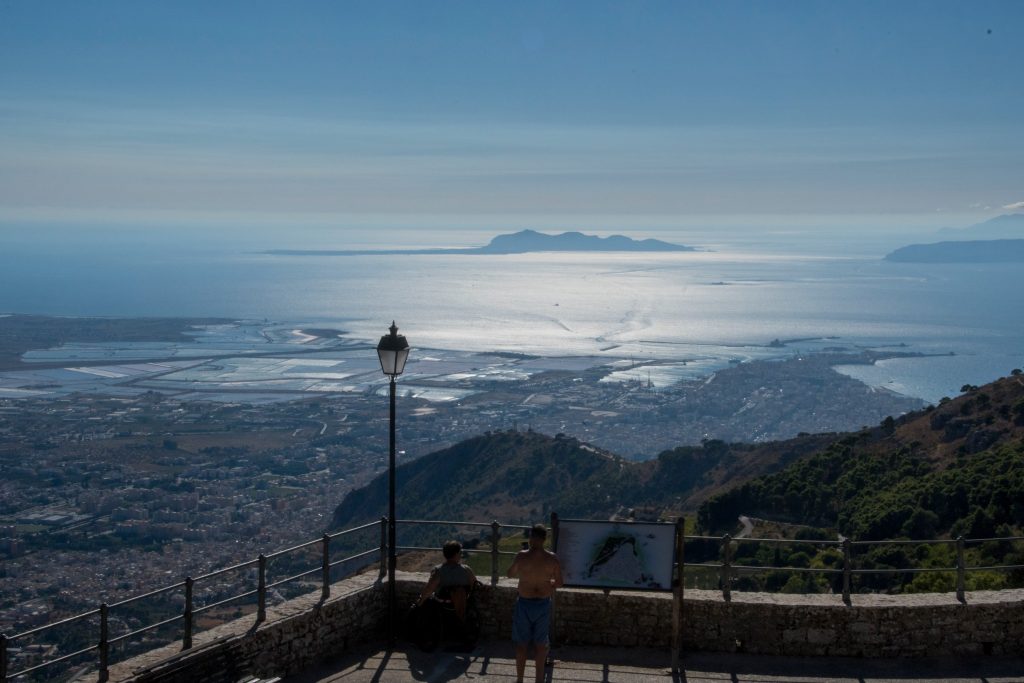
From Trapani, we ascended to Erice via the cable car (Funivia)—a thrilling experience in itself, though driving up is also an option. Perched dramatically on a cliff 750 meters above sea level, this enchanted medieval town offers breathtaking, panorama views of Sicily’s western coastline from almost every corner.
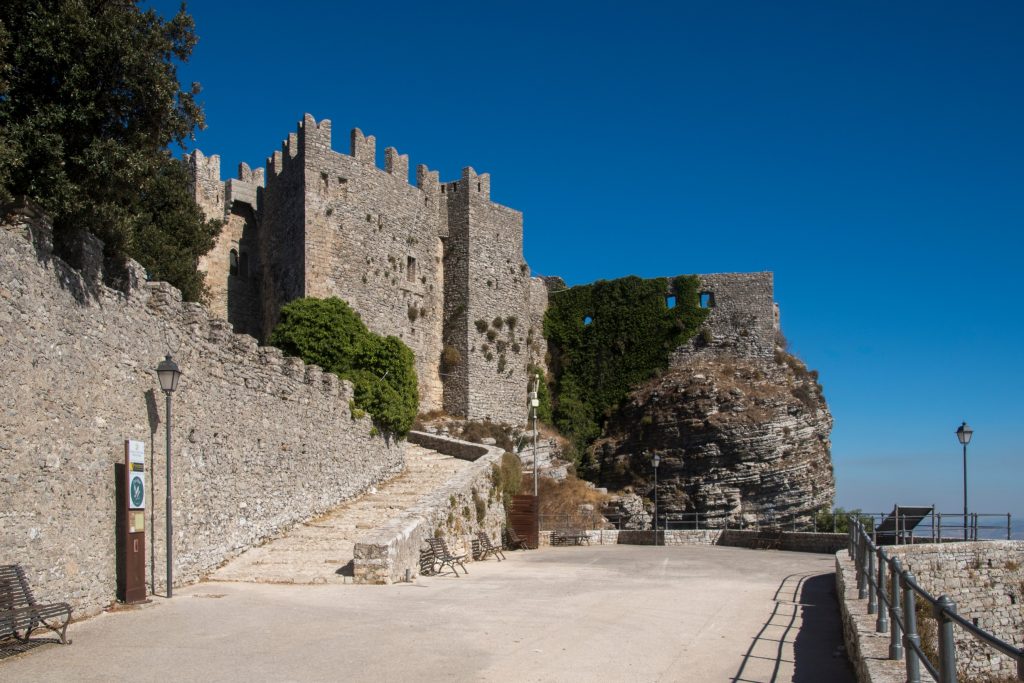
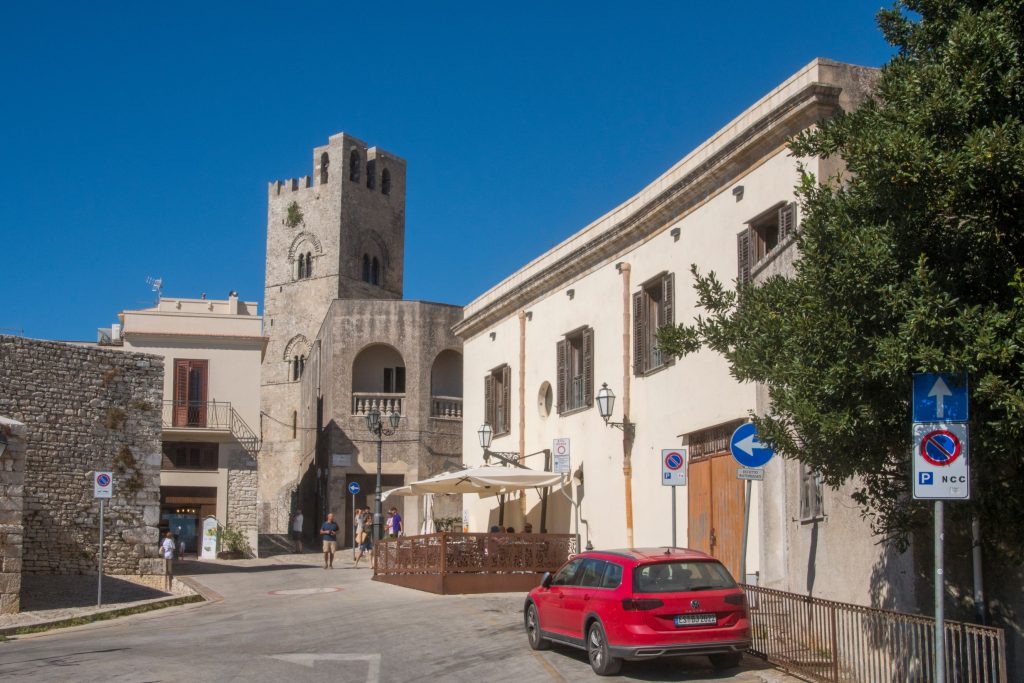
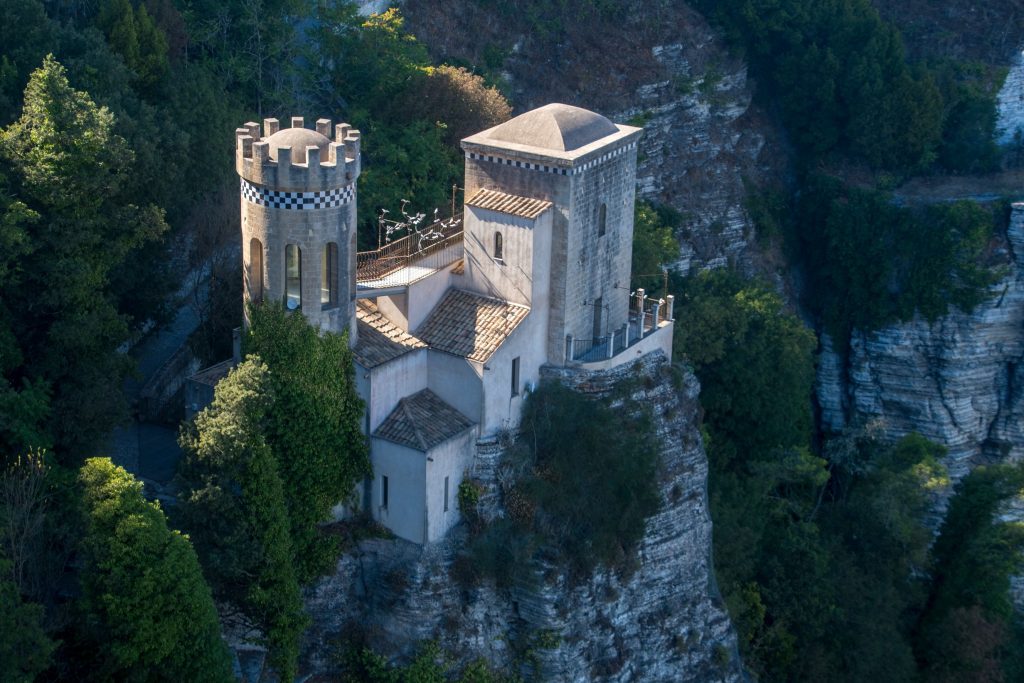
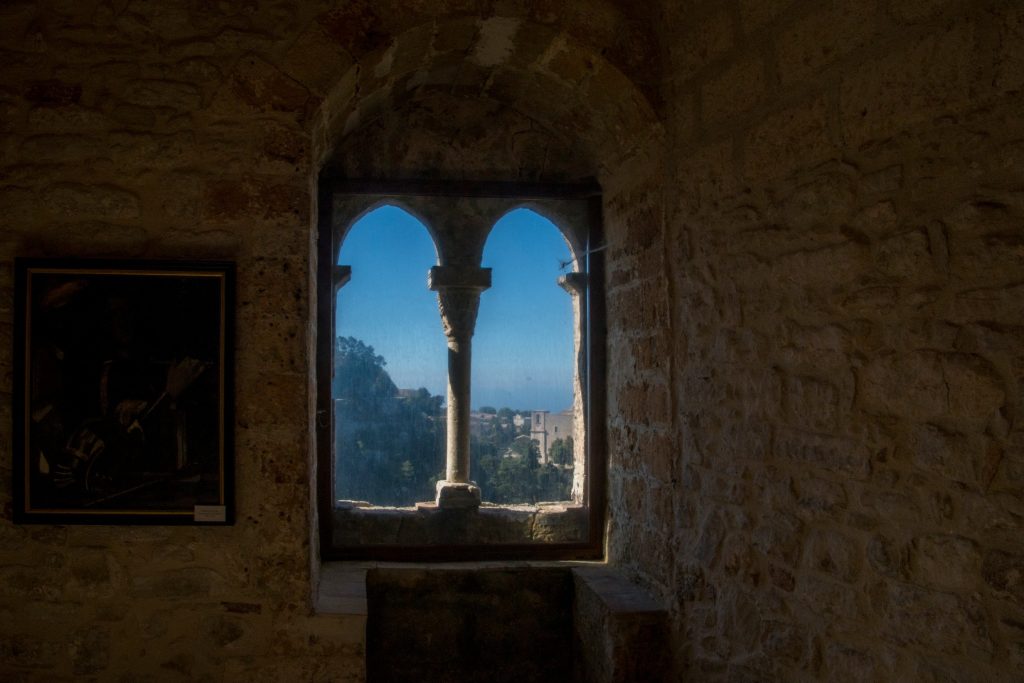
Erice is steeped in grandeur, charm, timeless traditions, and captivating folklore. We wandered through its cobblestone alleys and visited the iconic Castello di Venere (Venus Castle). Built by the Normans, the castle incorporates ancient stones from the historic Temple of Venus Erycina, from which it takes its name. Surrounding the fortress and its ancient towers lie the lovely Giardini del Balio, a stunning English-style garden offering magnificent sweeping views over the salt pans and the coastline below.
Another highlight of the town is the Spanish Quarter (Quartiere Spagnolo), built during Spanish rule to house military troops.
Of course, no visit to Erice is complete without indulging in the town’s famous culinary tradition: a warm, freshly baked Genovesi—a delicate pastry filled with rich pastry cream—at the legendary Pasticceria Maria Grammatico.
Monreale
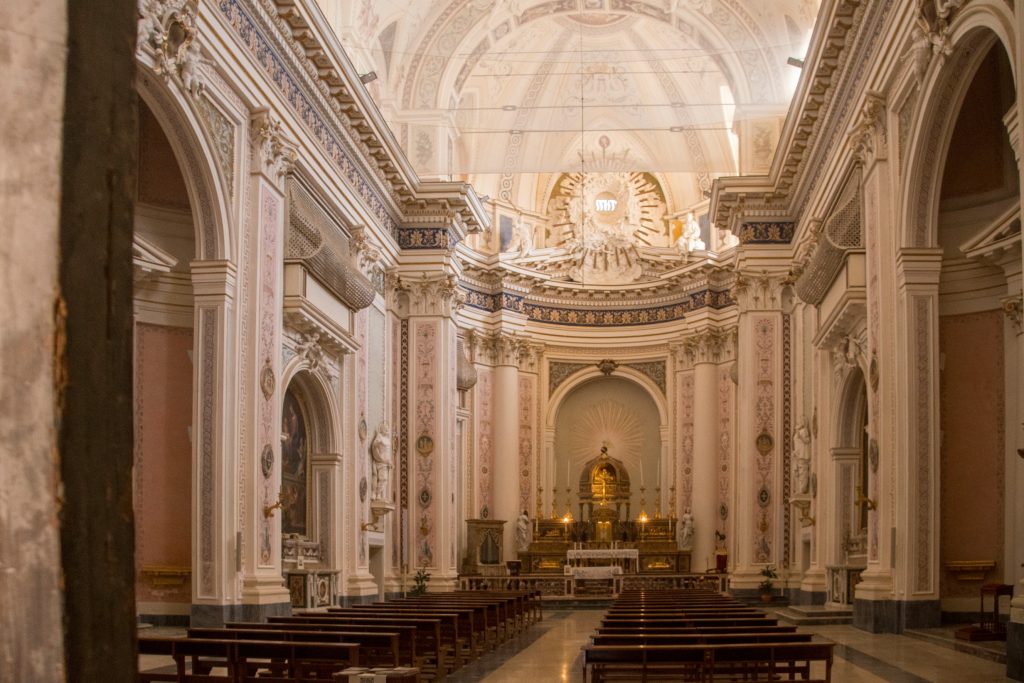
Before bidding farewell to the region, we drove up to Monreale to visit its world-renowned Norman Cathedral, adorned with over a hundred dazzling gold Byzantine mosaics.
Cefalù
From Monreale, head east toward Cefalù—a picturesque, historic coastal town steeped in charm and traditional fishing heritage.
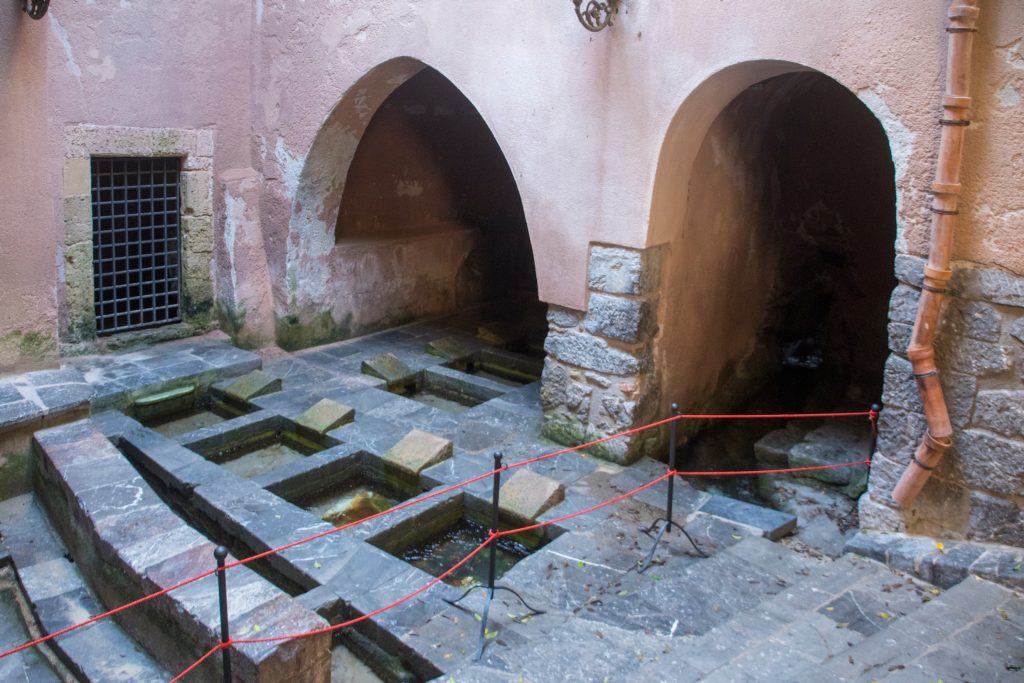
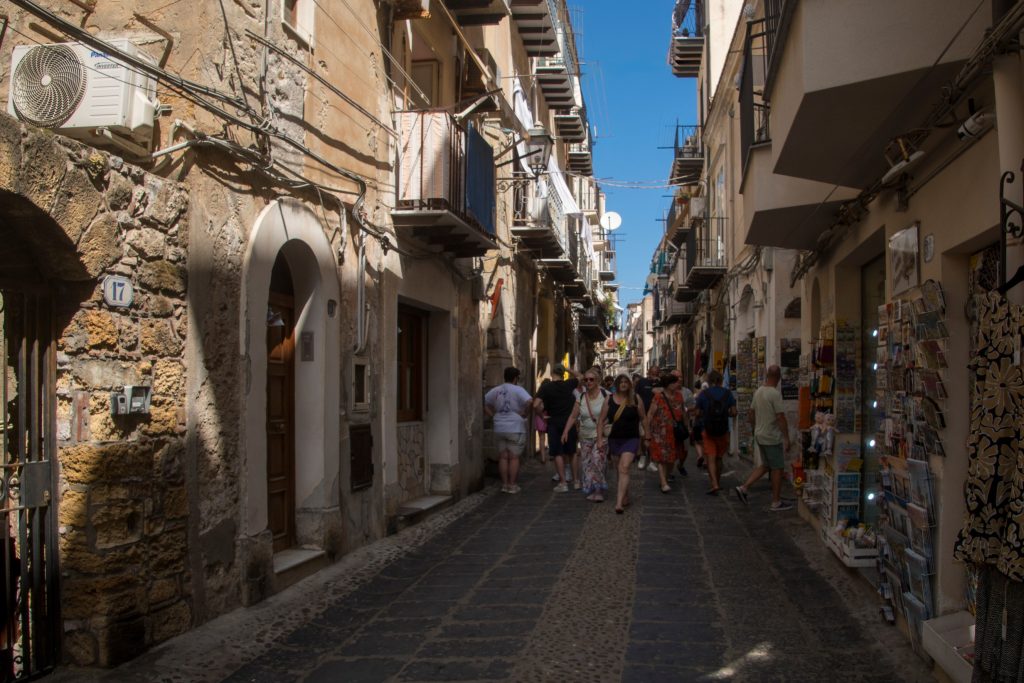
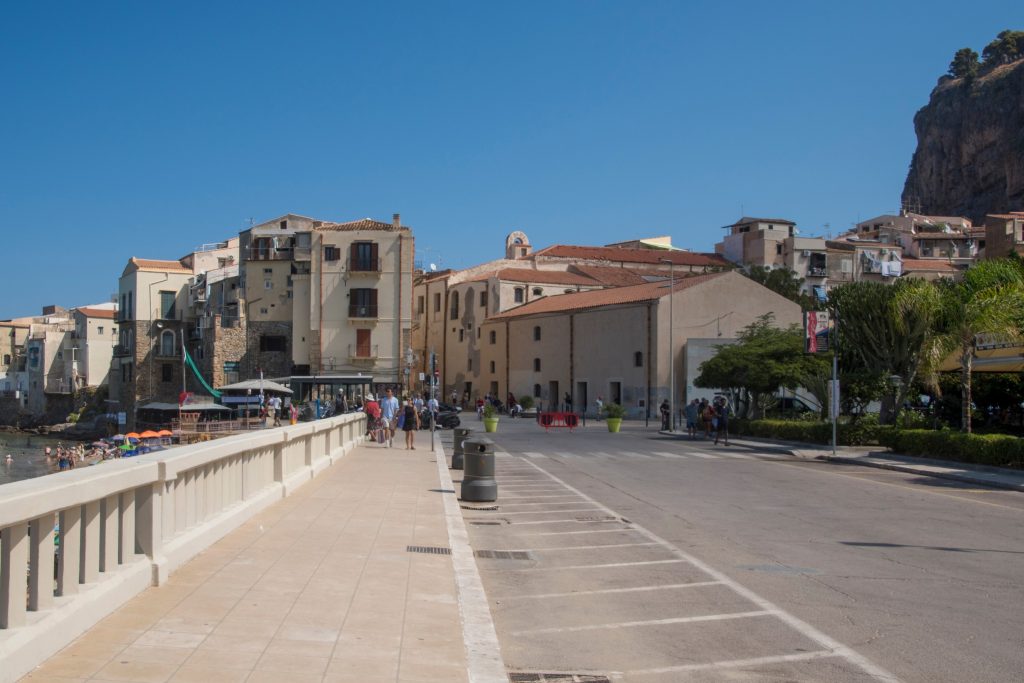
Wander through its narrow, cobblestone alleys lined with 15th- and 16th-century buildings, some of which once served as grand noble palaces, and pop into the quaint local shops. Along the way, step down a few stone stairs to discover the Lavatoio Medievale—an intriguing medieval washhouse built directly over natural freshwater streams flowing into the sea.
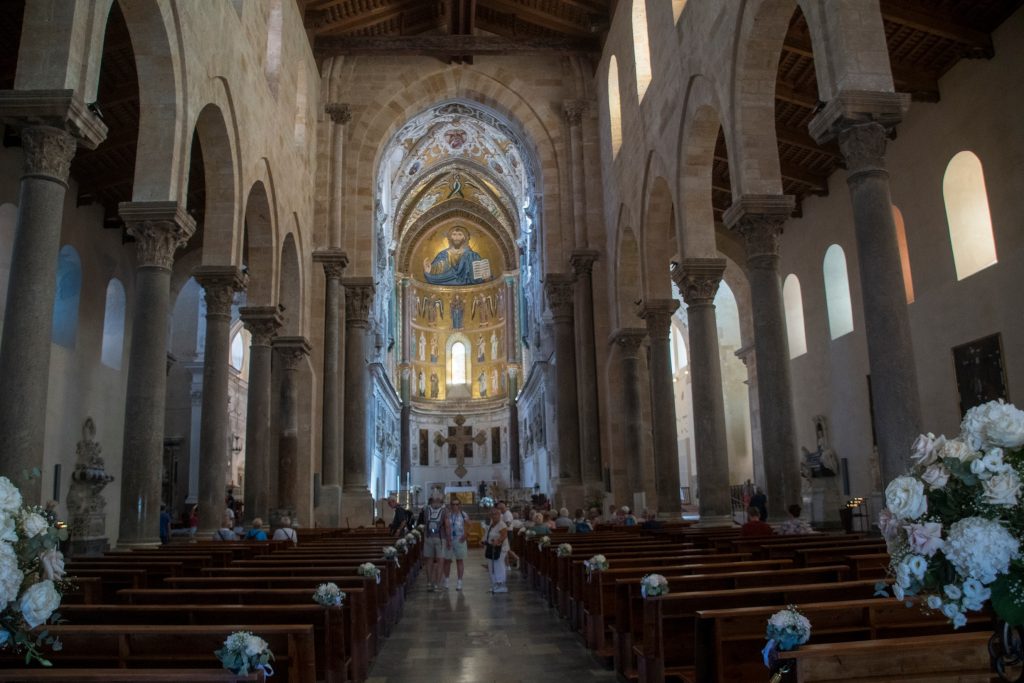
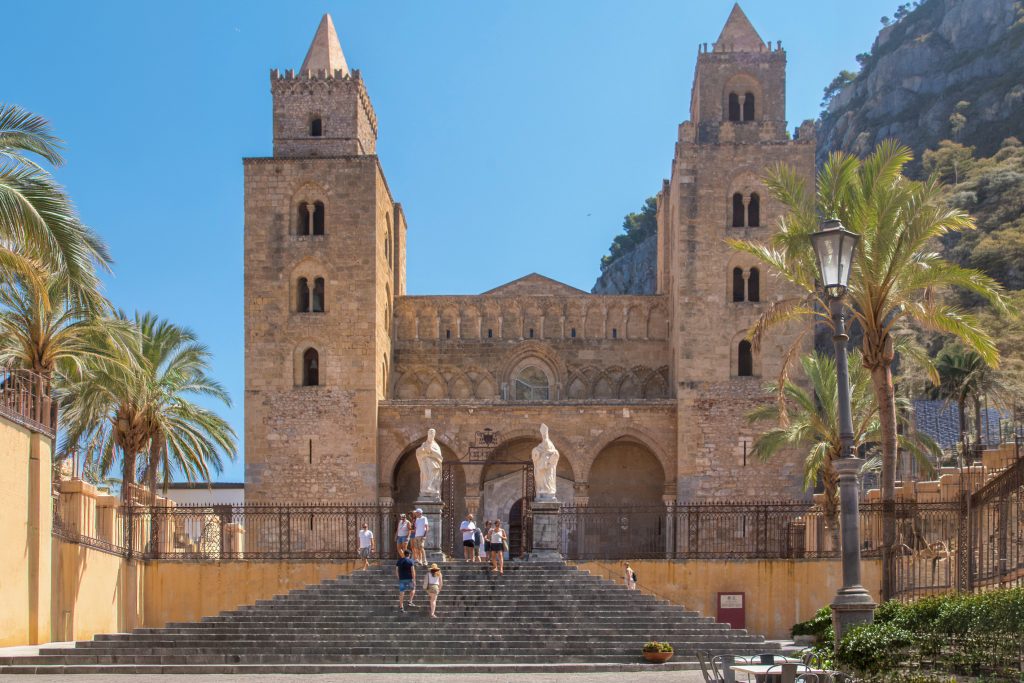
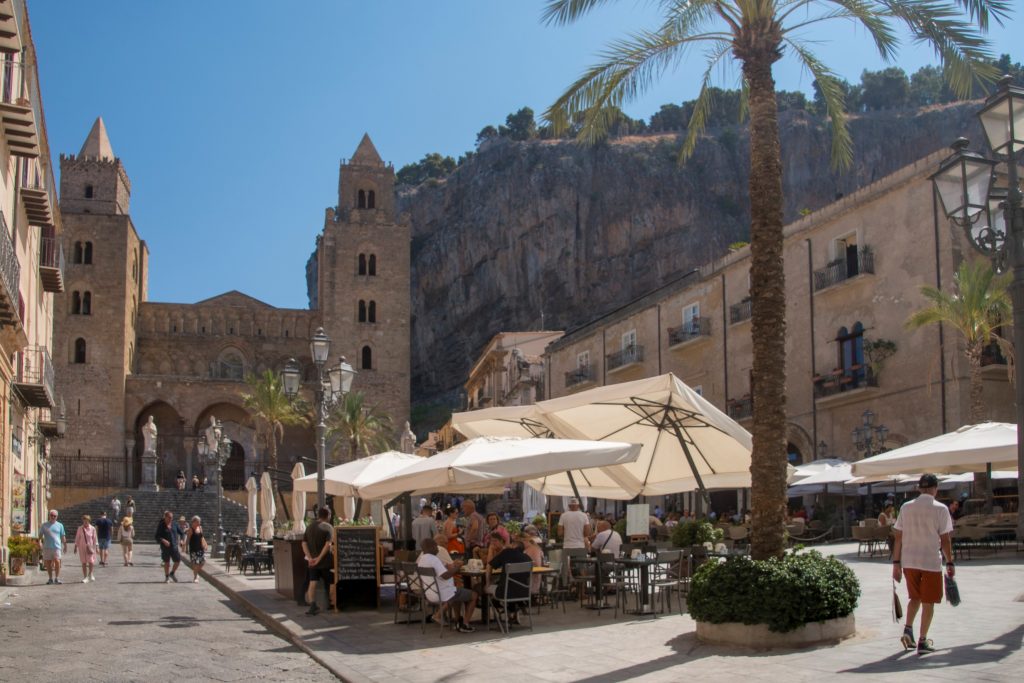
From there, stroll into the vibrant Piazza del Duomo, home to one of Sicily’s most magnificent Norman cathedrals built in the 12th century, famous for its breathtaking golden Byzantine mosaics. The sprawling square itself is one of the prettiest on the island and an ideal spot to pause for an espresso or a refreshing local granita.
Porto Vecchio (The Old Port): A postcard-perfect harbor offering iconic views of the historic town framed against the coastline.
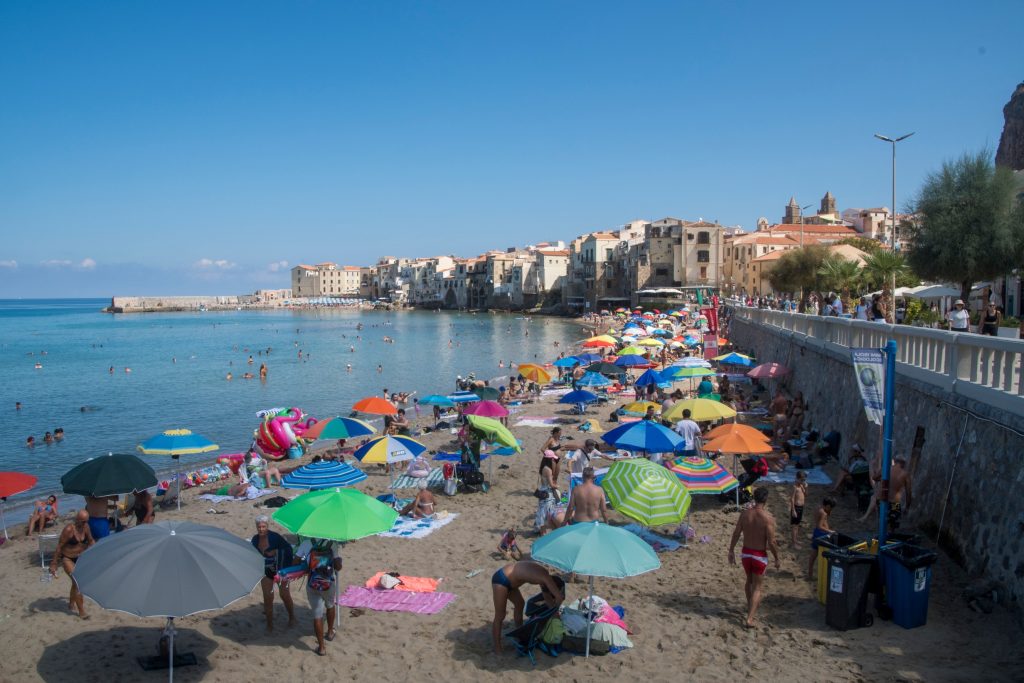
The Promenade & Main Beach: A long stretch of soft sand washed by crystal-clear waters, set against the backdrop of the old town—a perfect setting for blending culture, history, and seaside relaxation.
Closing Thoughts
Driving in Sicilian cities requires keen attention due to tight streets and energetic scooter traffic. Between cities, however, the highways are comfortable, well-maintained, and feature impressive stretches of tunnels.
Sicily is a intoxicating blend of history, dramatic landscapes, incredible gastronomy, and warm hospitality. A journey highly recommended!